Beyond the Lens: Navigating the Complex World of US Police Bodycams in the Digital Age
As someone who has navigated the intricate landscape of law enforcement technology for over a decade, I’ve witnessed firsthand the profound transformation ushered in by the widespread adoption of police bodycams. What began as a nascent concept in the early 2000s has evolved into an indispensable tool, reshaping public perception, officer accountability, and the very fabric of criminal justice. This isn’t merely about cameras; it’s about the digitization of truth, the democratization of observation, and the ongoing dialogue between authority and community in an increasingly scrutinized world.
The fascination with US police bodycam footage isn’t accidental. It’s a primal draw to unvarnished reality, a glimpse into moments of high-stakes decision-making and raw human drama that no script could ever replicate. From the suburban sprawl to the urban core, these compact devices strapped to an officer’s chest offer an unfiltered window into the daily challenges, dangers, and often mundane realities of law enforcement.
The Irresistible Pull of Raw Reality: Why US Police Bodycam Footage Captivates Millions
There’s an undeniable allure to the shaky, sometimes grainy footage captured by police bodycams. Unlike the highly produced reality shows of yesteryear, these clips offer pure, unedited narratives. They resonate with an audience eager for authenticity, particularly in an era rife with curated content. The appeal lies in several key psychological and sociological factors:
Firstly, it’s the unscripted drama. Every traffic stop, every domestic dispute call, every critical incident is a story unfolding in real-time, often with unpredictable twists. Viewers aren’t just watching a re-enactment; they’re witnesses to genuine human reactions under pressure – the officer’s measured command, the suspect’s desperate plea, the bystander’s frightened gasp. This isn’t entertainment in the traditional sense; it’s an immersive experience in the complexities of human behavior under duress, offering a rare look at the mechanisms of the criminal justice system in motion.
Secondly, the footage provides a unique perspective on high-stakes decision-making. Officers routinely face split-second choices that can have life-or-death consequences. A routine DUI stop can escalate into a high-speed pursuit across state lines. A welfare check can quickly devolve into a violent confrontation. Police bodycams capture these pivotal moments, allowing viewers to vicariously experience the cognitive load and ethical dilemmas inherent in police work. This vicarious experience fuels engagement and discussion, particularly when critical incidents or officer-involved shootings (OIS) occur, placing the footage at the center of intense public scrutiny.
Finally, there’s the inherent human desire for transparency and accountability. In an age where trust in institutions is frequently questioned, police bodycams offer a tangible pathway to understanding. For many, these videos serve as a crucial check on authority, ensuring that interactions are documented, and actions are recorded. This digital evidence becomes a cornerstone for public discourse, investigations, and ultimately, justice. The constant influx of new US police bodycam footage on platforms like YouTube and TikTok creates a continuous feedback loop, shaping public perception and driving conversations around policing tactics and community relations.
From Analog Antics to Digital Accountability: The Evolution of Law Enforcement Surveillance
My career trajectory spans the transition from the era of bulky shoulder-mounted cameras—often associated with syndicated shows like “COPS”—to the sleek, sophisticated body-worn cameras of today. The shift from analog entertainment to digital evidence represents one of the most significant technological leaps in modern law enforcement.
In the 1990s, television shows like “COPS” offered a curated, albeit ground-breaking, look at policing. Camera crews shadowed officers, providing an external, often dramatized, perspective. While popular, these productions were inherently limited by the film crew’s presence and editorial decisions. They were designed for entertainment, not for forensic precision.
The advent of police bodycams fundamentally changed the game. These devices, first piloted in limited capacities in the early 2000s and gaining widespread traction in the 2010s, moved the camera from an external observer to an intimate, first-person recorder. Today, major departments like the Los Angeles Police Department (LAPD), the New York Police Department (NYPD), and countless sheriff’s departments and state police agencies across the US have made body-worn cameras mandatory for their patrol officers. This isn’t just a policy; it’s a paradigm shift in how law enforcement operates and how its actions are perceived.
The technological advancements in these devices are staggering. Modern police bodycams offer high-definition video, wide-angle lenses, low-light capabilities, and integrated audio recording. Crucially, they come with robust data management solutions, secure cloud storage, and chain-of-custody protocols essential for legal admissibility. This makes the footage not just compelling viewing, but ultimate legal evidence—a fact that has transformed criminal prosecutions, internal affairs investigations, and civil litigation. The data captured by these cameras provides objective accounts that can corroborate officer statements, exonerate officers from false accusations, or highlight instances of misconduct, thereby bolstering police accountability and public trust.
Furthermore, the integration of these sophisticated law enforcement technology solutions has allowed for better officer training. Recruits and veteran officers alike can review real-world scenarios captured by police bodycams, analyzing use of force incidents, de-escalation techniques, and communication strategies. This continuous feedback loop is invaluable for professional development, ensuring that officers are better prepared for the complex and dynamic situations they face daily, ultimately enhancing public safety. The investment in high-quality security camera systems for police and their associated data infrastructure is a testament to their critical role in modern policing.
Challenging the Narrative: Unpacking Sovereign Citizens and Legal Confrontations on Camera
One of the more unique and often bewildering aspects of US police bodycam footage gaining widespread public attention involves encounters with individuals identifying as “Sovereign Citizens.” These individuals adhere to a pseudo-legal ideology asserting their immunity from most US laws, including traffic regulations, taxation, and judicial authority. Their interactions with law enforcement, meticulously documented by police bodycams, offer a fascinating, albeit frustrating, educational glimpse into the complexities of constitutional law and civic duty.
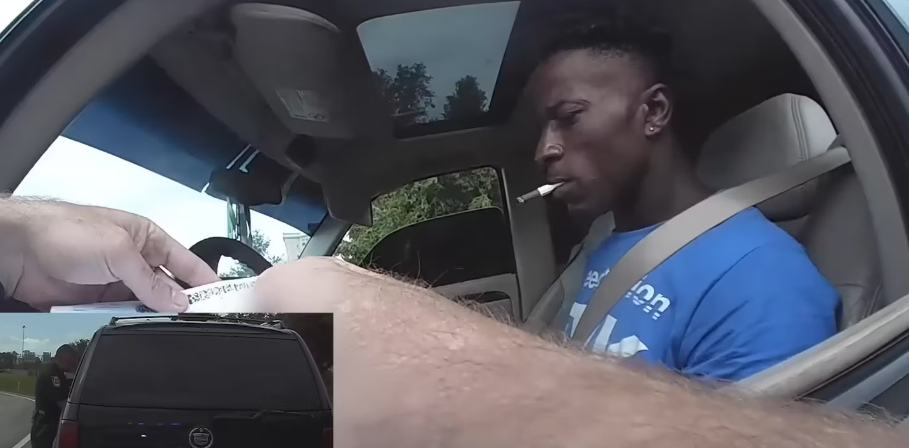
I’ve analyzed countless hours of these encounters, and the pattern is remarkably consistent. An officer conducts a routine traffic stop, perhaps for a broken taillight or an expired registration. The driver, often uncooperative, immediately launches into a protracted, jargon-filled dissertation about their “right to travel” freely, their status as a “flesh-and-blood man,” or their rejection of “admiralty law.” They deny the officer’s jurisdiction, refuse to provide a driver’s license or registration, and frequently cite obscure or misinterpreted legal precedents. The police bodycams capture every moment of this often-tense standoff, revealing the officers’ patience (or lack thereof), their attempts to de-escalate, and ultimately, the inevitable enforcement of the law.
These clips are popular not just for their often-absurd theatrics, but for their inherent educational value. They serve as a vivid demonstration that in the United States, rights are inextricably linked with responsibilities. While citizens possess broad constitutional rights, these are not absolute and do not grant immunity from valid statutory laws. The footage plainly illustrates the legal limits of such claims and the consequences of resisting lawful orders. For law students, practicing criminal defense lawyers, and anyone interested in the intricacies of American jurisprudence, these interactions provide compelling case studies.
From a law enforcement perspective, these encounters are a significant challenge. Officers must remain professional, articulate, and knowledgeable about the law, even when faced with aggressive non-compliance. The police bodycams provide an objective record of these interactions, which is crucial when incidents escalate, potentially involving a window break to gain access to a vehicle or the use of force to effect an arrest. This footage often forms a vital part of the evidence should legal action be pursued, offering clarity in cases where individuals might claim police misconduct or violation of rights. The raw documentation of these confrontations, especially those involving individuals actively resisting the uniform authority of the state, underscores the multifaceted role of police bodycams in both documenting and shaping our understanding of the rule of law.
The Unseen Burden: Psychological Tolls and Public Scrutiny of Officers in the Bodycam Era
While police bodycams offer unprecedented transparency, they also cast an intense spotlight on the officers wearing them, revealing the immense psychological burden that comes with the badge, particularly in the aftermath of critical incidents. The public often sees the immediate action—the apprehension of a suspect, the resolution of a dangerous situation—but rarely grasps the enduring mental and emotional toll these events exact.
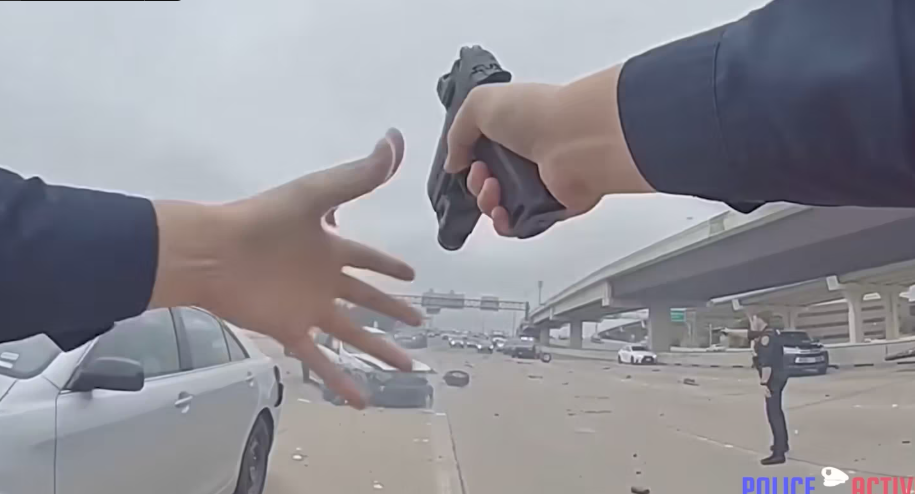
Consider an officer-involved shooting (OIS), even one deemed entirely justified in self-defense. The seconds leading up to the decision to use lethal force are captured by the police bodycams for all to see. But what isn’t immediately visible is the subsequent nightmare of internal affairs investigations, potential grand jury proceedings, media sensationalism, and public protests. An officer who pulls the trigger, even to save a life, faces months, if not years, of intense scrutiny. Every single frame of the US police bodycam footage will be dissected by internal affairs units, legal teams, and the public. This process is grueling, often resulting in symptoms akin to PTSD, isolation, and career uncertainty.
The constant awareness that every action, every word, every gesture is being recorded by police bodycams adds another layer of stress. While intended to protect both the public and the officer, this persistent surveillance can lead to hyper-vigilance and a feeling of being constantly “on trial.” This underscores the need for robust police training programs that incorporate mental resilience and post-incident support. Furthermore, it highlights the importance of risk management for law enforcement agencies, including comprehensive mental health services and peer support networks.
In this context, specialized channels and analysts, such as PoliceActivity or Donut Operator, have become invaluable resources. These platforms often provide detailed, contextualized analyses of US police bodycam footage, helping the public understand the tactical considerations, legal frameworks, and human factors that inform an officer’s decisions in high-stress situations. They aim to bridge the gap between public perception and the realities of police work, explaining the nuances of use of force policies and the split-second judgments officers must make. While not always universally acclaimed, their efforts contribute to a more informed public dialogue about the complexities of modern policing, showcasing how police bodycams aren’t just for surveillance, but for education and a deeper understanding of the human element behind the badge.
The K9 Factor: Unsung Heroes and Their Vital Role in Modern Policing
No discussion of US police bodycam footage would be complete without acknowledging the invaluable contribution of K9 units. These “four-legged heroes” – predominantly highly trained German Shepherds, Belgian Malinois, and occasionally Labradors – represent a formidable, non-lethal (though capable of significant force) asset to law enforcement. Their deployments, frequently captured by police bodycams, are among the most compelling and effective demonstrations of police work.
K9 units are deployed in a myriad of situations: tracking fleeing suspects through dense terrain, searching buildings for hidden individuals, detecting narcotics or explosives, and providing handler protection. Their acute senses of smell and hearing, coupled with their unwavering loyalty and rigorous training, make them indispensable. Often, the mere presence of a K9 can de-escalate a volatile situation, serving as a powerful deterrent. The command “Release the K9!” is frequently a last resort when verbal commands and other less-lethal options have failed, demonstrating the critical role these animals play in resolving dangerous standoffs.
The police bodycams provide incredible insight into the synchronized movements between K9 and handler. Viewers witness the dog’s focused intensity, its incredible speed, and its precision in apprehending suspects, often those armed or resisting arrest. These animals exhibit a level of discipline and courage that is truly awe-inspiring. For instance, footage might show a K9 tracking a suspect through a dark alleyway, eventually cornering them, allowing officers to move in safely. The footage not only showcases the K9’s capabilities but also highlights the intense bond and communication between the animal and its human partner, a bond forged through countless hours of police training.
The deployment of K9s also introduces complex legal and ethical considerations regarding the use of force, which police bodycams help to clarify. While a K9 bite can result in significant injury, it is often considered a less-lethal option compared to firearms, especially in situations where a suspect poses a direct threat or attempts to evade capture in dangerous environments. The objective digital evidence provided by the body-worn cameras ensures that K9 deployments are documented and can be reviewed for adherence to departmental policies and use of force policies, thereby further solidifying their role in promoting public safety while maintaining accountability.
The Algorithmic Eye: AI, Data Analytics, and the Future of Police Bodycam Management
The sheer volume of data generated by police bodycams daily is staggering. Millions of hours of footage are recorded across the nation, creating a digital haystack that would be impossible for humans to sift through manually. This is where advanced technologies, particularly Artificial Intelligence (AI) and sophisticated data analytics, are revolutionizing the management and utility of US police bodycam footage, pushing towards 2025 trends and beyond.
AI-powered platforms, like those developed by innovative law enforcement technology solutions providers, are no longer just concepts; they are actively deployed. These systems can process vast amounts of video data with unprecedented speed and accuracy. Features include automated redaction of sensitive information (e.g., faces of minors, license plates of uninvolved vehicles) to protect privacy, advanced object recognition to quickly identify weapons or specific items, and even voice-to-text transcription of audio, making footage searchable for keywords or phrases. Imagine an investigator needing to find every instance where “drop the gun” was uttered – AI can pinpoint those moments within thousands of hours of video.
Beyond simple processing, AI is enhancing the forensic capabilities of police bodycams. Tools can help reconstruct events, analyze bullet trajectories, and even improve video clarity in low-light conditions. For content creators and analysts, AI can condense hours of raw footage into concise summaries, identify critical moments, or highlight patterns in officer-citizen interactions, significantly streamlining the review process. This not only aids in internal investigations but also supports efforts towards greater public accountability software and transparency.
Looking ahead to 2025, we can anticipate even more sophisticated applications. Real-time analytics could provide officers with immediate data, flagging potential threats or de-escalation opportunities. Cloud-based storage solutions will become even more robust and integrated, allowing for seamless access and secure archiving of digital evidence. The ethical implications, however, remain a critical area of focus. Concerns around facial recognition accuracy, potential algorithmic bias, data security, and the scope of surveillance must be carefully balanced with the benefits of enhanced efficiency and transparency. As an industry expert, I emphasize that while AI offers immense potential to improve how we manage police bodycam data management and glean insights, it must be implemented with rigorous oversight, ethical guidelines, and an unwavering commitment to protecting civil liberties. These advancements promise to make police bodycams an even more powerful tool for evidence collection, accountability, and the continuous improvement of policing practices.
Police Bodycams: A Cultural Cornerstone and Catalyst for Change
The journey of police bodycams from niche technology to omnipresent tool has solidified their status as a cultural cornerstone and a powerful catalyst for change in the modern criminal justice system. They are more than just recording devices; they are instruments of truth, platforms for dialogue, and a tangible manifestation of society’s ongoing push for transparency and accountability.
US police bodycam footage has undeniably altered the landscape of public discourse surrounding law enforcement. It has provided an unfiltered look into the lives of officers, often humanizing their incredibly difficult roles, while simultaneously exposing instances where actions fall short of professional standards. This dual capacity makes them indispensable for fostering trust, improving police training programs, and informing the development of better use of force policies.
Globally, the impact resonates. Viewers from diverse backgrounds, including international audiences, learn about American legal procedures, cultural nuances, and the complexities of officer-citizen interactions. The constant stream of footage on social media creates a de facto civic education platform, albeit one requiring critical engagement and contextual understanding.
As we look to the future, the evolution of police bodycams will continue to shape how law enforcement operates, how justice is pursued, and how communities interact with their protectors. The data they collect, the transparency they offer, and the conversations they spark are integral to building a more just and accountable society.
The era of the police bodycam is just beginning to fully realize its potential. For law enforcement agencies seeking to enhance public safety consulting, strengthen police accountability, and embrace the next generation of law enforcement technology solutions, understanding and strategically implementing these tools is paramount. We invite you to explore leading police bodycam solutions and digital forensics tools that are shaping the future of public safety, or to engage with your local law enforcement agencies to understand how these critical technologies are being utilized in your community. Let’s continue this vital conversation and drive positive change together.