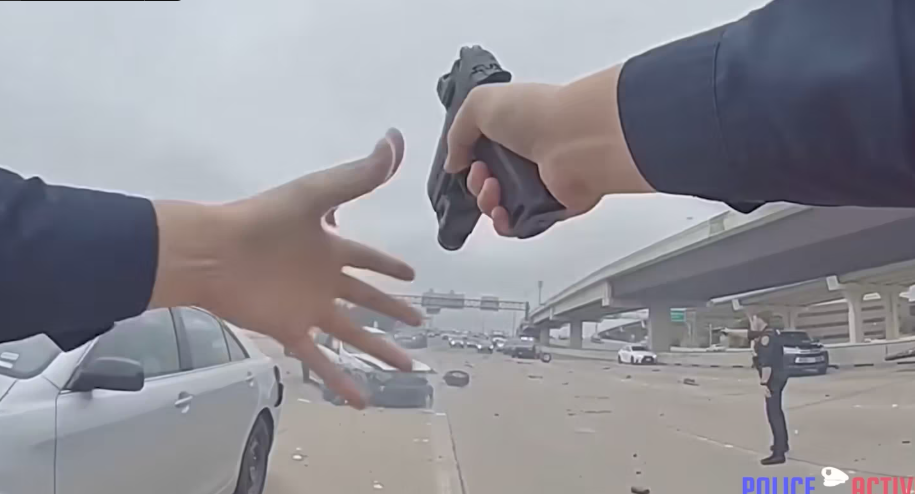
Beyond the Lens: Navigating the Complex World of US Police Bodycam Footage
In my decade-plus navigating the intricate landscape of law enforcement technology and public safety, few innovations have reshaped the discourse as profoundly as the ubiquitous US police bodycam footage. It’s more than just a recording device; it’s a modern-day Rosetta Stone, offering unprecedented insights into critical incidents, officer decision-making, and the dynamic interplay between law enforcement and the communities they serve. From viral social media clips to pivotal courtroom evidence, understanding the multi-faceted impact of these cameras is essential for anyone interested in the evolving narrative of policing in America.
The Unfiltered Gaze: Why We’re Drawn to Bodycam Realism
The allure of US police bodycam footage transcends mere voyeurism; it speaks to a primal human curiosity for raw, unscripted reality. Unlike the meticulously choreographed dramas of Hollywood, these recordings present an unvarnished window into confrontations, crises, and moments of high-stakes heroism. We’re not just watching; we’re experiencing the split-second decisions, the heightened tension, and the often-chaotic environments that define frontline policing.
What captivates audiences, from casual viewers on YouTube to seasoned legal professionals, isn’t cinematic polish but the stark authenticity. Every shaky frame, every muffled command, every sudden movement contributes to a narrative far more compelling than fiction. These clips offer a glimpse into the raw human element of law enforcement – the stress, the training, the split-second ethical dilemmas. They are a powerful source of public education, demystifying police procedures and showcasing the dangers officers face daily. This unique perspective elevates US police bodycam footage beyond simple entertainment, positioning it as a vital tool for transparency and understanding.
From Analog to Digital: The Evolution of Law Enforcement Transparency
My journey in this sector has seen a dramatic shift from rudimentary recording methods to sophisticated digital evidence management. Before the widespread adoption of body-worn cameras, shows like “COPS” offered the primary public window into police work. While groundbreaking for its time, these productions were inherently filtered through a production crew’s lens, subject to editing and external camera angles.
The advent of the body-worn camera (BWC) marked a paradigm shift. Mandated by major departments like the Los Angeles Police Department (LAPD), the New York Police Department (NYPD), and numerous Sheriff’s offices across states like Florida and Texas, BWCs transformed the landscape of police accountability. They moved beyond entertainment to become indispensable tools for evidence collection, officer training, and fostering public trust. This evolution was not without its challenges; early models had limitations in battery life, storage capacity, and field of view. However, continuous innovation in law enforcement technology, driven by companies specializing in body camera technology solutions, has addressed many of these initial hurdles. Today’s BWCs offer high-definition video, low-light capabilities, pre-event recording buffers, and seamless integration with cloud-based digital evidence management systems. The transition represents a commitment to unparalleled transparency, ensuring that critical interactions are documented from the officer’s perspective, offering a crucial layer of context to every incident. This technological leap has irrevocably altered how the public perceives, scrutinizes, and understands police operations, making US police bodycam footage a foundational component of modern policing.
Navigating the Legal Labyrinth: When Citizens Challenge Authority
One of the most frequently observed scenarios in US police bodycam footage involves interactions with individuals who actively resist or dispute the authority of law enforcement, often under the banner of the “Sovereign Citizen” movement. These encounters are a stark illustration of the tension between individual perceived rights and established legal frameworks. Sovereign Citizens generally adhere to a philosophy that claims they are not subject to federal, state, or even local laws, believing they operate outside the jurisdiction of government.
From an expert perspective, these situations pose unique tactical and legal challenges for officers. What might appear as mere “legal sophistry” to an untrained eye is, in fact, a deeply entrenched belief system that often leads to prolonged, confrontational encounters. Officers are frequently met with lengthy, pseudo-legal diatribes asserting “freedom to travel” without a license or “ownership” of one’s body precluding lawful arrest. These exchanges, captured meticulously in US police bodycam footage, highlight the importance of specialized training for officers in de-escalation tactics and understanding the legal nuances involved. The resolution of these standoffs often requires decisive action, sometimes involving physical intervention, vehicle impoundment, or forced entry, as their refusal to comply escalates the situation. For instance, an officer might have to break a car window to gain access to a non-compliant individual, a move that is legally justifiable when an individual poses a threat or consistently defies lawful orders. These videos serve a dual purpose: they educate the public on the limits of individual liberties within a structured society and underscore the legal authority vested in officers, clarifying that the criminal justice system ultimately holds sway. Such confrontations, when analyzed, also offer invaluable insights for law enforcement training programs, reinforcing the correct protocols for handling these challenging interactions.
The Unseen Burdens: Psychological Toll and Officer-Involved Shootings
While US police bodycam footage often spotlights dramatic arrests and critical incidents, it’s crucial to look beyond the immediate action to the profound psychological impact these events have on the officers involved. Every use of force, especially an officer-involved shooting (OIS), triggers a cascade of internal and external scrutiny that can devastate an officer’s career and mental health.
In the aftermath of an OIS, an officer isn’t just dealing with the immediate trauma of the event; they enter a prolonged period of intense investigation. Internal Affairs divisions, often alongside federal agencies and civilian review boards, conduct meticulous reviews of every detail, including every frame of US police bodycam footage. This process, while necessary for police accountability and ensuring adherence to use of force policies, places immense pressure on officers already grappling with the emotional weight of their actions. The public and media scrutiny following such incidents can be relentless, leading to protests, calls for reform, and a pervasive narrative that often overlooks the split-second, life-or-death decisions made under duress.
From a mental health perspective, the cumulative stress of critical incidents and the subsequent investigations can lead to PTSD, anxiety, and depression. Departments are increasingly recognizing the need for robust support systems, including mandatory debriefings, peer support networks, and access to mental health professionals specializing in law enforcement trauma. Organizations like the Fraternal Order of Police and the National Police Foundation are advocating for better resources. Analyzing US police bodycam footage in a post-incident review is not just about legal findings; it’s about understanding the human factors, the environmental variables, and the inherent dangers that define the job. This footage is paramount in providing objective context for judges, juries, internal review boards, and the public, often protecting officers from false accusations while holding them accountable when necessary. This commitment to police transparency through rigorous review is vital for maintaining public trust and supporting officer well-being.
The Canine Advantage: Unsung Heroes of the Force
No comprehensive discussion of frontline policing, particularly as depicted in US police bodycam footage, would be complete without acknowledging the invaluable contribution of K9 units. These highly trained police service dogs, primarily breeds like German Shepherds, Belgian Malinois, and Dutch Shepherds, are not merely pets but essential members of the force, offering capabilities that no human officer can replicate.
Their role extends far beyond dramatic takedowns. K9s are deployed in a myriad of scenarios: tracking fleeing suspects, locating narcotics or explosives, searching buildings, and providing crucial officer protection during dangerous encounters. The command “Release the K9” often signals the final, most effective step when verbal commands and less-lethal options have failed. US police bodycam footage frequently captures the incredible discipline and bravery of these animals, showcasing their ability to neutralize threats swiftly and effectively, minimizing risk to human officers.
From an operational standpoint, K9 units are a significant investment in public safety. Their intensive law enforcement training programs are rigorous, focusing on obedience, agility, bite work, and specialized detection. Handlers and their K9 partners undergo continuous training, fostering an unbreakable bond and ensuring seamless communication in high-stress environments. The legal framework surrounding K9 deployment is also meticulously defined, ensuring their use adheres to use of force guidelines, with officers accountable for their canine partner’s actions. These animals save lives – both civilian and officer – by locating suspects hidden in dense terrain, deterring aggression, and detecting contraband unseen by the human eye. Their presence on US police bodycam footage is a testament to their indispensable role, highlighting a unique and powerful facet of modern policing that combines instinct with expert training.
The Algorithmic Eye: AI, Data, and the Future of Police Video Analysis
Looking ahead to 2025 and beyond, the sheer volume of US police bodycam footage being generated daily presents both an immense challenge and an unparalleled opportunity, largely addressed by advancements in Artificial Intelligence (AI) and data analytics for law enforcement. Managing, cataloging, and extracting actionable intelligence from thousands of hours of video is a monumental task that human analysts simply cannot scale to meet.
This is where AI steps in as a transformative force. Sophisticated legal tech solutions and forensic video analysis tools are revolutionizing how departments process digital evidence. AI algorithms can rapidly perform tasks like automated redaction of sensitive information (faces, license plates, private property) to comply with privacy laws before public release, a process that used to be incredibly time-consuming. Furthermore, AI can identify specific events, objects (like weapons), or even distinct sounds (gunshots, shouts), tagging these moments for quick retrieval by investigators. This capability significantly streamlines post-incident reviews, training analyses, and evidence preparation for court proceedings.
For instance, platforms are emerging that can analyze speech patterns and body language, potentially aiding in early de-escalation training or identifying problematic officer behaviors. While ethical concerns around facial recognition and predictive policing remain active debates, the core applications of AI in improving efficiency and objectivity in video analysis are undeniable. The future of US police bodycam footage management will be characterized by integrated systems where AI not only stores and organizes the data but also provides intelligent insights, supports tactical decision-time decisions, and enhances police transparency by making relevant data more accessible and understandable. This technological leap allows departments to leverage their video archives not just as reactive evidence, but as proactive tools for training, policy refinement, and fostering deeper understanding of complex interactions within the criminal justice system. The judicious application of these tools will define the next era of digital evidence management in law enforcement.
A Cultural Lens: US Police Bodycam Footage as a Mirror to Society
Ultimately, US police bodycam footage has transcended its primary role as an evidentiary tool to become a powerful cultural artifact. It shapes global perceptions of American law enforcement, influences public discourse on police reform initiatives, and provides a unique educational resource for anyone seeking to understand the dynamics of the criminal justice system. Whether viewed in a critical light, celebrated for moments of bravery, or debated for its implications on civil liberties, this footage has become an indelible part of the modern media landscape.
From my vantage point, these recordings offer a raw, often uncomfortable, but always illuminating look at the complexities of maintaining order in a diverse and sometimes turbulent society. They force us to confront difficult questions about bias, escalation, and the limits of power. They also serve as powerful training aids, allowing departments to meticulously review and refine tactics, ensuring officers are better prepared for the myriad challenges they face. The narrative surrounding policing is no longer solely controlled by official reports or media interpretations; it is increasingly informed by the objective, albeit sometimes limited, perspective of the officer’s own camera.
This transparency, though sometimes contentious, is crucial for fostering informed public discussion and driving meaningful progress in the realm of public safety. It underscores that every interaction matters, and every decision has consequences, both immediate and far-reaching. The continuous capture and analysis of US police bodycam footage isn’t just about documenting incidents; it’s about continually learning, adapting, and striving for a more just and accountable system.
The journey with bodycam technology is ongoing, fraught with both promise and peril. Its continued evolution will undoubtedly spark further dialogue on the balance between security and individual freedoms. To delve deeper into the strategic implementation of these technologies, or to explore how advanced digital evidence management can transform your organization’s approach to police accountability and public safety, I invite you to connect with industry experts who are at the forefront of this critical evolution. Engage with specialists who can provide tailored insights into maximizing the potential of US police bodycam footage for training, legal compliance, and community engagement.