Beyond the Lens: Unpacking the Impact of US Police Bodycam Footage on Justice, Transparency, and Public Trust
Having spent over a decade navigating the intricate landscape of public safety technology and law enforcement operations, I’ve witnessed firsthand the profound transformation brought about by a seemingly simple device: the police body camera. What began as a niche tool has burgeoned into an omnipresent fixture, fundamentally reshaping how justice is administered, how law enforcement is perceived, and how communities engage with their protectors. The raw, unfiltered reality captured by US police bodycam footage has moved far beyond mere viral entertainment; it stands as a cornerstone of modern policing, a crucial element in transparency, and an undeniable force in the ongoing dialogue about accountability.
The digital footprints left by these devices are not just data points; they are narratives, often dramatic, sometimes mundane, but always authentic. From critical incidents unfolding in milliseconds to routine citizen interactions, police bodycam video provides an unparalleled window into the demanding world of officers on the street. As we delve into the multifaceted impact of this technology, we’ll explore its evolution, its societal ramifications, and its future implications, all through the informed perspective of someone who’s been at the vanguard of its deployment and analysis.
The Irresistible Pull of Raw Reality – Why We Watch US Police Bodycam Footage
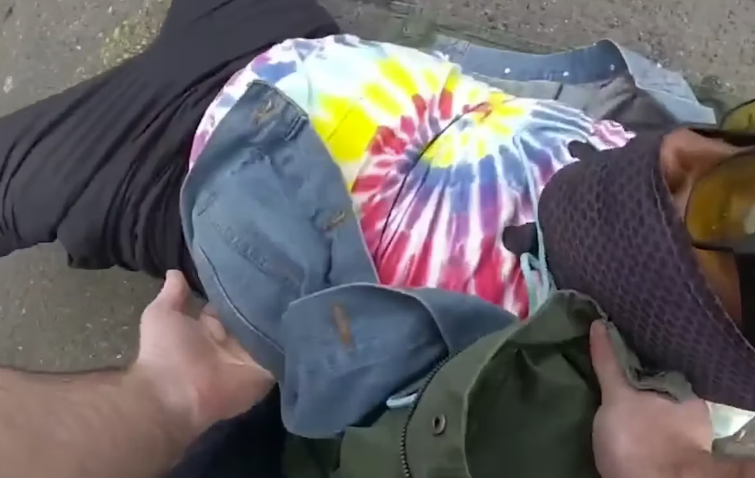
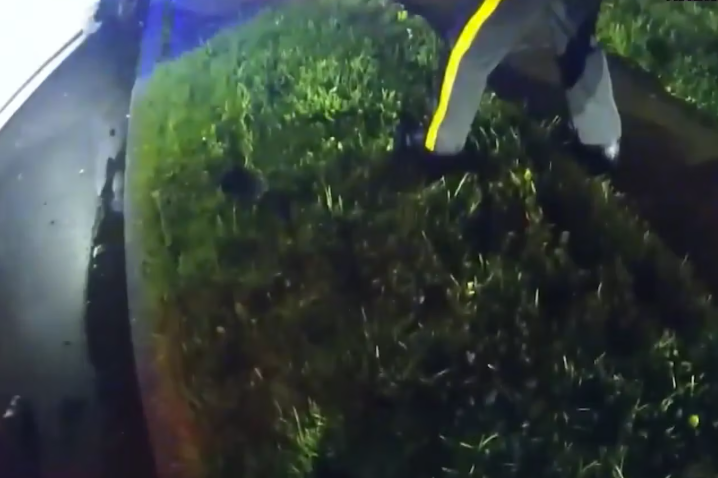
There’s an undeniable, almost magnetic allure to US police bodycam footage. It’s the visceral, unscripted drama of real-life enforcement, stripped of Hollywood’s gloss. We’re not talking about meticulously choreographed action sequences; this is the gritty, unpredictable truth of police work. Whether it’s a routine traffic stop escalating into a high-stakes standoff, a high-speed pursuit spanning multiple counties, or the split-second decisions made during a domestic dispute, these clips offer a compelling, unfiltered glimpse into situations most civilians will never experience directly.
This fascination isn’t just about entertainment; it’s rooted in a deep human curiosity about order and chaos, justice and consequence. The shaky, sometimes chaotic perspective from an officer’s chest-mounted camera pulls viewers directly into the thick of events. It’s a vicarious journey into the unknown, a front-row seat to the delicate balance between maintaining public safety and navigating the complexities of human behavior. Each piece of police bodycam footage offers a unique narrative, teaching us about human psychology under pressure, the intricacies of the law, and the often-unforeseen outcomes of critical incidents. This raw authenticity, in an age saturated with manufactured realities, is precisely why these videos captivate millions globally, sparking discussions and shaping perceptions about the criminal justice system.
From Analog to Digital — The Transformative Journey of Law Enforcement Surveillance
The journey from the early days of ride-along television shows like COPS to the ubiquitous presence of body camera technology marks a significant evolutionary leap in law enforcement. In the 1990s, COPS offered a distant, third-person perspective, often dictated by the cameraperson’s angle and editorial choices. Today, the bodycam era has ushered in a truly first-person, officer-centric viewpoint, fundamentally changing the landscape of documentation and accountability.
The widespread adoption of body cameras across the United States has been a monumental shift. Major metropolitan departments, from the LAPD body camera program to the NYPD bodycam footage policy, have implemented mandatory wearing policies, as have countless smaller agencies and state law enforcement divisions like those under various Florida sheriff’s bodycam initiatives. This isn’t just a trend; it’s a strategic imperative. The primary driver behind this mass deployment is not entertainment, but rather the pursuit of transparency and the provision of objective legal evidence of bodycam footage. In an increasingly litigious society, this footage serves as an impartial witness, invaluable for court proceedings, internal investigations, and public trust.
The immediacy and clarity captured by modern police bodycam video are unparalleled. It records the tense silence before a confrontation, the shouted commands, the rapid-fire decisions, and the subtle nuances of human interaction. This shift has transformed bodycams from mere gadgets into indispensable tools for evidence-based policing, providing a concrete record that can corroborate officer statements, dispute false accusations, and offer crucial context in high-stakes situations. The transition has been profound, moving law enforcement documentation into an era of unprecedented digital scrutiny and enhanced professional standards, directly impacting public safety solutions and departmental risk management for law enforcement.
Navigating Legal Labyrinths: The Sovereign Citizen Phenomenon and Due Process Rights in the Bodycam Era
One of the more perplexing and often volatile challenges confronting officers on the street involves interactions with individuals identifying as “Sovereign Citizens.” These individuals adhere to a decentralized ideology that claims they are exempt from most US laws, believing their personal interpretation of constitutional principles supersedes federal, state, and local statutes. Such encounters frequently escalate from routine traffic stops to protracted, legally convoluted standoffs, making US police bodycam footage absolutely critical.
Imagine a scenario where an officer pulls over a vehicle with no license plates, only to be met by a driver vehemently asserting their “right to travel” without a license, registration, or insurance. The ensuing dialogue, often lasting tens of minutes, is a masterclass in legal misinterpretation, with the Sovereign Citizen attempting to debate common law, maritime law, or even obscure biblical interpretations. These interactions are not only time-consuming but inherently dangerous, as these individuals often resist arrest, leading to forced entry and physical confrontation. In such cases, the police bodycam video provides incontrovertible proof of the officer’s adherence to procedure, the individual’s refusal to comply, and the justification for any force used. This documentation is vital in prosecuting charges and defending against potential police misconduct lawsuits.
The dynamic highlights a crucial tenet of the American legal system: due process rights are fundamental, but they are intrinsically linked to responsibilities and adherence to established law. While every individual has the right to legal counsel and to question authority, these rights operate within the framework of a functioning society governed by laws. Body camera technology ensures that both the actions of the individual and the officer are meticulously recorded, offering transparency that protects both parties. For a criminal defense attorney, this footage can be a powerful tool, either to demonstrate their client’s rights were violated or to advise on the strength of the prosecution’s case. The footage clarifies what transpired, providing an objective record that helps educate the public on the boundaries of personal liberty versus public order, making it an invaluable asset in these complex legal skirmishes.
The Unseen Burdens: Psychological Toll and Accountability in the Spotlight
Beyond the dramatic headlines and viral clips, there lies a profound, often unseen dimension to police work: the immense psychological toll. Officers are frequently thrust into situations demanding split-second, life-or-death decisions. When an officer-involved shooting (OIS) occurs, the immediate aftermath is not just about securing a scene; it triggers months, sometimes years, of intense scrutiny. Every action is dissected, every breath analyzed, not just by internal affairs units but by the media, activist groups, and the public. This relentless examination, amplified by the omnipresence of US police bodycam footage, places incredible pressure on individual officers and entire departments.
The psychological impact of being involved in a critical incident, even when fully justified, is profound. Officers may grapple with trauma, guilt, and the intense emotional burden of having taken a life or used significant force. This is compounded by the knowledge that their actions will be replayed countless times, scrutinized frame-by-frame, often by individuals who lack the context or experience of the moment. The constant threat of a police misconduct lawsuit and public condemnation can lead to debilitating stress, anxiety, and PTSD, highlighting the critical need for robust mental health support within law enforcement agencies.
Police use of force policy is constantly evolving, driven by public demand for greater accountability and transparency. Body camera technology plays an indispensable role here, providing the objective evidence needed to assess adherence to policy, justify actions, or identify areas for improvement. Expert analysis channels, such as PoliceActivity or Donut Operator, have emerged as crucial platforms, offering nuanced interpretations of police bodycam video from an informed perspective. These channels help bridge the understanding gap between law enforcement and the public, explaining tactical decisions, legal frameworks, and the realities of dangerous encounters. While the spotlight of accountability is intense, police bodycam footage ultimately serves as a protector for officers acting within policy, while simultaneously holding those who deviate from it accountable, reinforcing the department’s commitment to risk management for law enforcement and ethical conduct.
Four-Legged Guardians: The Indispensable Role of K9 Units
No discussion of modern policing, especially when referencing US police bodycam footage, would be complete without acknowledging the extraordinary contributions of K9 units. These highly trained, four-legged officers, predominantly Belgian Malinois and German Shepherds, are not just pets; they are vital tactical assets, embodying unparalleled courage, discipline, and loyalty. They are often the last resort when verbal commands fail, and human officers face extreme danger, serving as a powerful deterrent and an effective force multiplier.
K9s excel in a variety of challenging situations: tracking fleeing suspects through dense terrain, detecting narcotics or explosives, searching buildings, and apprehending dangerous individuals. Their acute senses of smell and hearing, combined with rigorous training, make them indispensable tools in scenarios where human capabilities are limited. The command, “Release the K9!” often signifies a critical juncture in an apprehension, demonstrating the seriousness of the situation.
The bravery of these animals, frequently captured in dramatic police bodycam video, is truly remarkable. Footage often shows K9s fearlessly engaging armed suspects, taking down individuals who refuse to comply, and protecting their human partners from harm. These clips not only showcase the dogs’ incredible training and instinct but also highlight the profound bond between K9 and handler. This visual evidence serves to educate the public on the invaluable role these units play in public safety solutions and how their deployment can de-escalate or quickly resolve dangerous situations, often preventing greater harm. The footage underscores why K9 units are considered essential components of modern law enforcement, providing a critical layer of protection for officers and communities alike.
The AI Revolution: Enhancing Transparency and Data Management in Law Enforcement
Looking ahead to 2025 and beyond, the impact of artificial intelligence (AI) on law enforcement, particularly concerning US police bodycam footage, is poised for an exponential surge. The sheer volume of video data generated daily by thousands of officers demands sophisticated solutions, and AI is rapidly becoming the indispensable engine for managing, analyzing, and extracting intelligence from this digital torrent. This technological evolution promises to revolutionize not only operational efficiency but also the very mechanisms of transparency and accountability.
AI-powered video analytics can perform tasks that would be impossible or prohibitively time-consuming for human analysts. For instance, AI algorithms can efficiently redact sensitive information, such as faces of innocent bystanders or minors, or personal identifying details, ensuring privacy compliance before public release of police bodycam video. More advanced applications include automated transcription of audio, facial recognition (with careful consideration of ethical implications and civil liberties), object detection (e.g., identifying weapons), and even trajectory analysis for ballistics in officer-involved shootings. Tools like Lighthouse, or bespoke departmental AI platforms, are transforming vast libraries of footage into actionable intelligence, bolstering evidence-based policing initiatives.
Furthermore, AI is pivotal in data management for police video. It helps categorize, tag, and index thousands of hours of footage, making it searchable and retrievable for investigations, training, and legal discovery. This efficiency is crucial for risk management for law enforcement, allowing departments to quickly review incidents, identify potential policy violations, and implement corrective measures. AI acts as an objective lens, processing raw data without bias. It can help prove when an officer acted correctly and in accordance with policy, thereby safeguarding officers from false claims. Conversely, it can also unequivocally highlight instances of misconduct, thereby bolstering calls for accountability and promoting public trust. The integration of AI represents a pivotal step towards a future where law enforcement is not only more efficient but also more transparent and objectively accountable, solidifying law enforcement technology solutions as a core pillar of modern governance.
The Cultural Resonance: US Police Bodycams as a Global Phenomenon
The widespread availability and viral sharing of US police bodycam footage on social media platforms have transcended national borders, establishing a distinct cultural resonance that impacts perceptions of law enforcement worldwide. What was once confined to American news cycles or specific training programs now offers an accessible, if sometimes voyeuristic, window into the realities of policing for a global audience. Viewers from diverse backgrounds, including those in countries with vastly different legal systems, are exposed to the daily challenges and complexities faced by American officers.
This global exposure offers both educational opportunities and potential misinterpretations. For many, these videos serve as an informal curriculum on the intricacies of the criminal justice system in the United States—demonstrating arrest procedures, the application of rights, and the dynamics of police-citizen interactions. International audiences can observe firsthand the legal implications of various behaviors, the concept of probable cause, and the role of force in maintaining public order. This contributes to a broader understanding of different societal structures and legal frameworks.
However, the challenge lies in providing adequate context. Without a deep understanding of US law, cultural nuances, and departmental policies, raw police bodycam video can be misinterpreted, leading to skewed perceptions or unrealistic expectations. Nevertheless, the phenomenon continues to grow, with new footage constantly emerging, sparking debates and fostering a unique form of global engagement with law enforcement issues. The body camera, in its silent observation, has indeed become an unexpected and influential “witness” to history, shaping opinions and driving conversations across continents, solidifying its place as a powerful element of global digital culture.
Conclusion: The Enduring Legacy of Bodycam Footage
The journey through the world of US police bodycam footage reveals a technology that has evolved from a nascent concept to an indispensable instrument in the modern era of law enforcement. It’s more than just a recording device; it’s a catalyst for change, a guardian of truth, and a mirror reflecting the complex interplay between authority, public safety, and individual rights. We’ve seen how this footage captivates audiences, provides crucial legal evidence, illuminates the psychological burdens on officers, highlights the valor of K9 units, and is rapidly being transformed by AI into a powerful analytical tool.
The impact of body camera technology is multifaceted: it enhances transparency, bolsters accountability, mitigates risks for departments and officers, and serves as an invaluable educational resource for the public. As we look to the future, the ongoing integration of advanced AI and sophisticated data management for police video promises even greater efficiency, fairness, and objective oversight in law enforcement operations. The era of the bodycam is still unfolding, continually redefining the standards of policing and the public’s relationship with those sworn to protect.
For organizations seeking to optimize their public safety solutions or individuals striving for a deeper understanding of law enforcement technology solutions, navigating this evolving landscape is paramount. We invite you to explore further the strategic implementation of body camera programs, comprehensive data management practices, and best practices in police accountability. Contact us today to discuss how these insights can be tailored to your specific needs, fostering greater trust and effectiveness within your community or organization.