Forging Trust: The Critical Imperative of Police Accountability in the Digital Age
As an industry veteran with a decade embedded in the intricate world of public safety and criminal justice reform, I’ve witnessed firsthand the seismic shifts challenging law enforcement agencies across the United States. While media headlines frequently spotlight egregious instances of police misconduct and excessive force, the underlying currents—the systemic vulnerabilities and the insidious erosion of trust—often remain underexplored. The conversation around police accountability isn’t merely about individual officers; it’s a profound examination of power dynamics, organizational culture, technological integration, and the very foundation of community faith in those sworn to protect.
Power, by its very nature, can be an intoxicating elixir. When endowed with the authority to stop, detain, and use force in the name of the law, the line between executing duties and exercising dominion can blur with alarming ease. This inherent susceptibility to power’s corrupting influence is not unique to law enforcement, but its manifestation within agencies tasked with upholding justice carries disproportionate weight, threatening both individual liberties and societal order.
The Perilous Path: From Petty Favors to Systemic Malfeasance
The descent into serious misconduct rarely happens overnight. It’s typically a gradual erosion, a slippery slope paved with minor ethical compromises. Consider the ostensibly benign “free coffee” or the “discounted meal” offered by a local business seeking preferential treatment. These seemingly trivial gestures, often rationalized as perks of a dangerous profession, can subtly warp an officer’s perception of entitlement. What begins as a small favor can evolve into a silent agreement, an expectation, and eventually, a quid pro quo that compromises impartiality.
This incremental creep of unethical behavior often gains traction within an insular departmental culture. Turning a blind eye to a colleague’s minor infraction—a missed report, a procedural shortcut—can foster a dangerous solidarity, undermining internal oversight mechanisms. The self-deception often follows: “I put my life on the line every day for this thankless city; I deserve more than this meager salary.” This dangerous narrative, a psychological balm for burgeoning moral conflicts, serves as a gateway to more significant transgressions. It paves the way for a belief system where personal sacrifice justifies bending or breaking rules, where the “us vs. them” mentality overrides the oath to serve impartially.
We’ve seen the devastating consequences of this unchecked progression. Recent years have been punctuated by high-profile scandals, such as the 2024 revelations from a major metropolitan criminal district where a specialized unit devolved into a veritable “gang.” Accusations ranged from drug money extortion and evidence planting to the deliberate obstruction of justice and the elimination of informants. Such incidents are not isolated anomalies but often symptoms of systemic failures in police accountability, supervision, and an ethical environment that has been allowed to fester. Addressing these issues requires a multi-faceted approach, emphasizing robust ethics compliance programs and continuous leadership development in law enforcement.
Technology as a Double-Edged Sword in Police Accountability
In our rapidly advancing digital landscape, technology plays an increasingly pivotal role in both enabling and deterring police misconduct. As we look towards 2025 and beyond, understanding this duality is critical for truly transformative police accountability.
On one hand, technology, if improperly managed or intentionally misused, can become a tool for obscuring rather than illuminating. Sophisticated communication platforms might be used for clandestine operations, secure databases exploited for unauthorized information gathering, or digital evidence manipulated to fit a narrative. The lack of robust data security in policing and inadequate digital forensics services can create loopholes that bad actors exploit. Conversely, the absence of standardized digital evidence management protocols can lead to lost or mishandled evidence, inadvertently undermining legitimate investigations. This underscores the need for continuous investment in public safety technology solutions that are both advanced and secure.
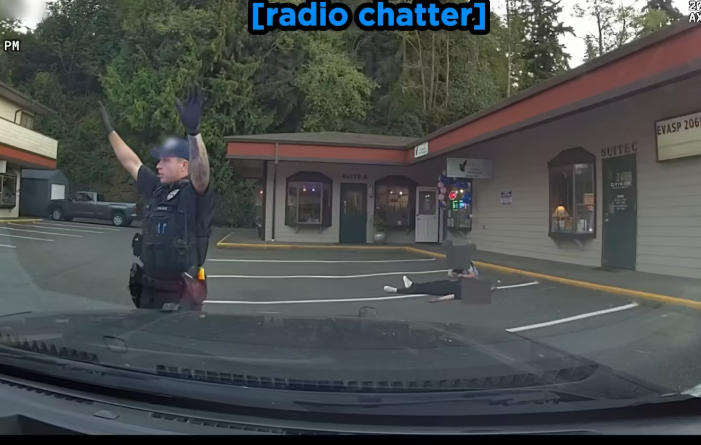
However, the more compelling narrative is how technology serves as an indispensable accelerator for police accountability. Body-worn cameras (BWCs) and dashcams have become foundational tools, providing objective records of interactions between officers and the public. While not a panacea, their widespread adoption has led to increased transparency, reduced complaints, and improved officer conduct in many jurisdictions. The challenge now lies in ensuring transparent data storage, timely release of footage, and establishing clear policies for their activation and deactivation.
Beyond recording devices, advancements in data analytics for policing offer unprecedented opportunities for proactive oversight. By analyzing use-of-force incidents, citizen complaints, traffic stops, and internal disciplinary actions, agencies can identify patterns of problematic behavior, flag “at-risk” officers, and intervene with targeted training or counseling before minor issues escalate into major misconduct. This predictive policing—applied internally for oversight rather than externally for crime prediction—is a game-changer for enhancing ethical policing. Tools leveraging artificial intelligence (AI) can process vast amounts of data, identifying anomalies or concerning trends that human analysts might miss, thereby bolstering internal affairs investigations and strengthening officer accountability.
Furthermore, digital platforms for citizen reporting and publicly accessible data transparency portals are empowering communities. These tools allow for easier submission of complaints, provide real-time updates on investigations, and offer insights into departmental policies and performance metrics. This shift fosters community policing initiatives built on mutual trust and shared understanding. However, the ethical deployment of AI in law enforcement and other advanced technologies necessitates careful consideration of privacy, bias, and algorithmic fairness. Without robust guidelines and independent auditing, these powerful tools could inadvertently exacerbate existing inequalities or infringe upon civil liberties. Law enforcement consulting firms specializing in ethical AI deployment and risk management for law enforcement are becoming vital partners in navigating this complex terrain.
Rebuilding Trust: Strategies for Systemic Change
Achieving enduring police accountability demands more than simply reacting to scandals; it requires a proactive, holistic approach focused on cultural transformation and structural reinforcement.
Comprehensive Training & Ethical Reinforcement: Beyond initial academy training, continuous education in de-escalation techniques, cultural competency, implicit bias, and ethical decision-making is paramount. Ethics compliance programs must be deeply integrated into every aspect of an officer’s career, from recruit to command staff. This includes real-world scenario training that challenges officers to navigate ambiguous situations with integrity. Leadership development in law enforcement is also crucial, as ethical culture is often set from the top.
Robust Internal Affairs and Independent Oversight: Internal affairs units must be adequately staffed, professionally trained, and possess genuine autonomy. Crucially, they need the authority and resources to conduct thorough, unbiased investigations. Complementing this, independent civilian oversight boards with subpoena power and genuine investigative capacity provide an essential layer of external review, enhancing public trust and ensuring impartial outcomes. These bodies serve as a critical check on power, promoting transparency and fostering officer accountability.
Data-Driven Accountability Systems: Leveraging the power of data analytics is no longer optional. Implementing sophisticated early warning systems that track various metrics—use-of-force incidents, citizen complaints, vehicle pursuits, even training scores—can identify officers who may be struggling or exhibiting patterns of concerning behavior. These systems allow for proactive intervention, offering remedial training, mental health support, or disciplinary action before a minor issue becomes a crisis. This approach is central to modern risk management for law enforcement.
Promoting a Culture of Transparency: Openness is key to rebuilding trust. This includes making departmental policies readily accessible to the public, publishing aggregated data on use-of-force incidents and disciplinary actions, and actively engaging with community stakeholders. Transparency doesn’t just hold officers accountable; it also educates the public about the complexities and challenges of policing, fostering more informed dialogue.
Leadership and Organizational Culture: Ultimately, police accountability is deeply intertwined with the culture of a police department. Leaders must actively model ethical behavior, articulate clear expectations, and consistently enforce standards. They must create an environment where officers feel comfortable reporting misconduct without fear of retaliation, and where ethical dilemmas are openly discussed and resolved. Investing in robust leadership development programs is a high-CPC strategy that yields long-term returns in police accountability.
Community Engagement and Collaboration: Effective law enforcement cannot operate in isolation. Genuine community policing initiatives, where officers are seen as partners rather than occupiers, build essential bridges of communication and trust. This involves active listening, collaborative problem-solving, and a commitment to addressing the specific needs and concerns of diverse communities. Legal counsel for police departments often advises on navigating community relations and fostering public trust.
In conclusion, the journey towards comprehensive police accountability is complex and ongoing. It demands unwavering commitment from within law enforcement agencies, robust support from legislative bodies, and active engagement from the communities they serve. As an industry expert, I firmly believe that by embracing technological advancements responsibly, reinforcing ethical training, and fostering a culture of transparency and proactive oversight, we can move beyond mere incident response to build a system of law enforcement that is truly just, equitable, and worthy of the public’s trust. The stakes—the integrity of our justice system, the safety of our communities, and the legitimacy of those sworn to protect—are too high to settle for anything less.
To delve deeper into strategies for enhancing police accountability within your department or organization, or to explore tailored public safety technology solutions, reach out to our team for a comprehensive consultation. Let’s work together to build a more accountable and trusted future for law enforcement.