The Unfiltered Lens: A Decade of Insight into Law Enforcement Body Cameras and the Future of Policing
For over a decade, I’ve navigated the intricate landscape of law enforcement operations, witnessed firsthand the transformative power of emerging technologies, and observed the profound shifts in public perception. Few innovations have reshaped the narrative of policing as dramatically as law enforcement body cameras. What began as a niche tool for accountability has evolved into an indispensable component of modern criminal justice, an evidentiary goldmine, and a potent, often polarizing, cultural phenomenon. We are no longer simply watching; we are privy to an unfiltered view of the complex challenges faced by officers daily, and in doing so, we are forced to confront uncomfortable truths about justice, power, and human behavior.
The Irresistible Pull of Real-Time Patrol: Why We’re Captivated
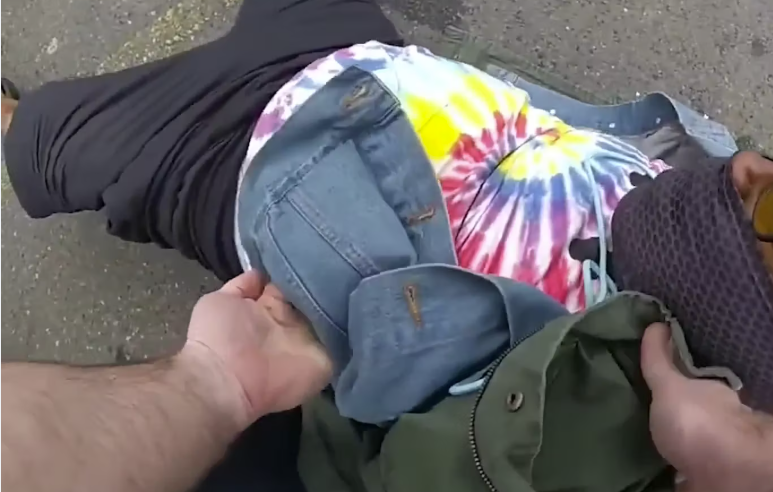
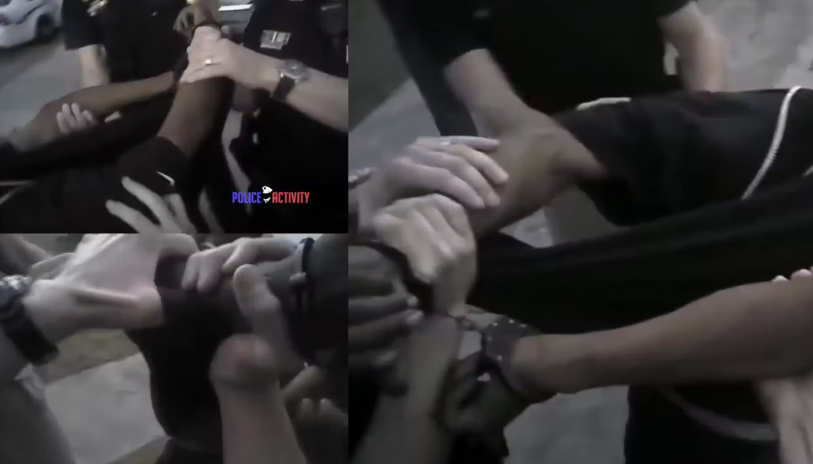
The allure of raw, unscripted police encounters, often captured from the visceral perspective of law enforcement body cameras, is undeniable. Forget the glossy, dramatized narratives of Hollywood; the shaky, often grainy footage from an officer’s chest provides an immediate, unvarnished window into reality. This isn’t just about entertainment; it’s a deep-seated human fascination with authenticity and high-stakes decision-making.
Think about the ubiquitous presence of police activity channels across YouTube and TikTok. Millions are drawn to content that showcases everything from routine traffic stops – which can escalate unexpectedly into high-speed pursuits across multiple jurisdictions – to critical incident response scenarios. These clips aren’t celebrated for their cinematic quality, but for their raw, immediate impact. They show the fragile line between order and chaos, the rapid-fire decisions made under duress, and the constant negotiation between protocol and real-world unpredictability. This engagement with the real-time dynamics of public safety provides a unique, if sometimes voyeuristic, form of civic education. It allows viewers to feel the tension, hear the commands, and, crucially, understand the split-second judgments that define an officer’s day.
From Network TV to Digital Evidence: The Body Camera Era’s Genesis
My early career saw the lingering influence of traditional “ride-along” programs like COPS, which, while groundbreaking for their time, were inherently filtered through a cameraman’s lens and editorial decisions. The 1990s gave us an external, third-party view of policing. Today, the rise of law enforcement body cameras has fundamentally shifted this paradigm, placing the camera directly on the officer. This isn’t just a technological upgrade; it’s a paradigm shift in evidentiary collection and transparency.
Major departments across the United States, from the Los Angeles Police Department (LAPD) to the New York Police Department (NYPD) and countless sheriff’s offices in bustling states like Florida and Texas, have made law enforcement body cameras mandatory. This transition signifies a recognition of their unparalleled value not as a mere surveillance tool, but as a critical component of police accountability and police transparency. The footage generated isn’t for a TV show; it’s a vital piece of digital evidence management, often serving as the definitive record in internal investigations, criminal prosecutions, and civil rights litigation. This treasure trove of data—capturing the officer’s strained breath, the clear command to “Drop the weapon!”, and the seconds leading up to a life-or-death confrontation—offers a level of clarity and truth previously unimaginable. The legal implications alone have driven significant public safety technology investment and the development of sophisticated law enforcement software solutions to manage this colossal data stream.
Confronting the Fringe: Sovereign Citizens and the Law’s Boundaries
Among the most challenging and often baffling encounters captured by law enforcement body cameras are those involving individuals identifying as “Sovereign Citizens.” These individuals adhere to a complex, often convoluted, ideology asserting their immunity from federal, state, and local laws, believing that common statutes do not apply to them. From my perspective, these encounters are more than just internet fodder; they represent a significant operational and legal hurdle for officers on the street.
Picture the scene: a routine traffic stop for a missing license plate or an expired registration. Instead of providing identification, the driver launches into a lengthy dissertation about “travel rights,” “maritime law,” or the alleged illegitimacy of the officer’s authority. This “paper terrorism” or verbal judo, as some call it, is designed to confuse and frustrate. However, the objective eye of the law enforcement body camera provides crucial, irrefutable evidence. When a vehicle window is lawfully breached after repeated failures to comply, or an individual is removed from their car under lawful arrest, the camera documents every step, protecting both the officer and the integrity of the process. These clips, beyond their entertainment value, serve as an educational tool, clarifying for the public that rights are inextricably linked with responsibilities and that the rule of law applies universally. For police leadership, understanding these nuanced interactions is paramount for effective police training and de-escalation strategies.
The Unseen Burden: Psychological Toll and Post-Incident Scrutiny
While law enforcement body cameras excel at capturing the action, they rarely show the profound, often invisible, aftermath for the officers involved. News headlines typically focus on the immediate incident – the apprehension of a suspect, the use of force – but rarely delve into the subsequent psychological and professional crucible officers face. Every time an officer uses force, particularly lethal force, it triggers an exhaustive investigation by Internal Affairs units. This rigorous process can span months, placing immense mental strain on the officer, irrespective of whether their actions are ultimately deemed justified.
Officer-Involved Shootings (OIS) remain a flashpoint in media cycles and public discourse. A split-second decision, even one made in defense of life, can spark city-wide protests, intense legal challenges, and national debates on criminal justice reform. This is where the unbiased perspective of law enforcement body cameras becomes critically important. It often provides the clearest depiction of the totality of circumstances, helping agencies like Internal Affairs and independent oversight boards ascertain what occurred. Expert analysis channels, run by former law enforcement professionals, play a vital role in educating the public, contextualizing officers’ actions, and explaining the protocols and dangers inherent in such situations. Furthermore, the footage is increasingly used in scenario-based police training to better prepare officers for high-stress encounters, emphasizing de-escalation tactics and judicious use of force. This transparency, while painful at times, is essential for building and maintaining police department accountability solutions and fostering community trust.
The K9 Corps: Four-Legged Force Multipliers
No discussion of dynamic police operations, particularly those captured through the intense lens of law enforcement body cameras, would be complete without acknowledging the invaluable contribution of K9 units. These highly trained police dogs—often Belgian Malinois or German Shepherds—are not merely pets; they are disciplined, courageous, and highly effective tools in the arsenal of modern policing, striking fear into the hearts of suspects attempting to evade capture in dense undergrowth or dark buildings.
The command “Release the K9!” often signals the final, unavoidable step when all other verbal de-escalation and apprehension methods have failed. Law enforcement body cameras provide a dramatic perspective of K9 deployments, showcasing the dogs’ unwavering loyalty, their intense focus, and their remarkable ability to subdue dangerous or non-compliant individuals. Beyond apprehension, these K9s are instrumental in drug detection, explosive ordnance disposal, and tracking missing persons, representing a significant police equipment procurement investment for departments. Their unique capabilities, meticulously documented by law enforcement body cameras, underscore their critical role in ensuring public safety and officer protection in high-risk scenarios. The footage also serves to demonstrate the controlled and measured application of K9 force, crucial for defending against potential civil rights litigation.
The AI Revolution: Enhancing Analytics and the Future of Evidence in 2025 and Beyond
Looking forward to 2025, the integration of Artificial Intelligence (AI) and machine learning with law enforcement body cameras is poised to revolutionize how footage is processed, analyzed, and utilized. We are moving beyond simple recording; we are entering an era of intelligent analysis. Platforms leveraging AI are emerging that can quickly redact sensitive information (faces of minors, license plates), identify objects (weapons, contraband), analyze voice patterns for stress indicators, and even track bullet trajectories or officer movements in complex environments.
This isn’t theoretical; it’s operational. AI-powered law enforcement software solutions are already assisting content creators in sifting through thousands of hours of footage to distill critical incidents into manageable, digestible segments. For law enforcement agencies, the implications are immense. AI can help identify patterns in use-of-force incidents, pinpoint training deficiencies, and even assist in proactive policing efforts by analyzing historical data to predict crime hotspots. This leap in digital evidence management capabilities also comes with new challenges, particularly around body camera data security and ethical considerations regarding facial recognition and potential algorithmic biases. The promise, however, is clear: AI can significantly enhance the transparency and efficiency of investigations, allowing data to speak for itself, either vindicating officers or highlighting areas for improvement. This public safety technology investment will shape how we understand and evaluate police actions for decades to come, bringing unprecedented levels of granular analysis to every frame captured.
The Cultural Resonance: US Law Enforcement Footage as a Global Phenomenon
Beyond their operational utility, law enforcement body cameras have cemented US policing as a significant global cultural touchstone. Through the pervasive reach of social media platforms, individuals from every corner of the world can now observe, analyze, and engage with the daily realities of American law enforcement. What might seem like a routine traffic stop in Arizona or a tactical entry in New York becomes a global case study.
These clips offer more than just thrilling moments; they provide a unique educational insight into American legal frameworks, the nuances of officer-citizen interactions, and the societal challenges specific to the United States. For international audiences, it’s a direct, unfiltered glimpse into the inner workings of a major democracy’s criminal justice system. The content fosters dialogue, demystifies police procedures, and, in many cases, builds a deeper understanding of the immense pressures and responsibilities shouldered by officers. The dynamic interplay between the pursuit of justice, the inherent risks of police work, and the unwavering gaze of the law enforcement body cameras ensures that this captivating, often controversial, narrative will continue to unfold, evolve, and challenge our perceptions.
Taking the Next Step in Public Safety Dialogue
The ongoing evolution of law enforcement body cameras marks a pivotal moment in the history of policing, bridging the gap between public perception and operational reality. As an industry expert, I see their future tied to continued technological advancements, enhanced data analytics, and an unwavering commitment to both police transparency and officer support.
We invite you to delve deeper into the complex world of modern policing and its technological frontiers. Explore the nuances of law enforcement body camera integration, understand the impact of AI on public safety, and engage in the critical conversations that shape our communities. For further insights into cutting-edge law enforcement software solutions or to discuss the strategic implementation of advanced digital evidence management systems, connect with us. Let’s continue to illuminate the path forward for justice and security in an increasingly transparent world.