The Perilous Path: Addressing Police Misconduct, Systemic Corruption, and the Erosion of Public Trust in Modern Law Enforcement
For over a decade, my work in criminal justice reform and law enforcement training has provided a stark vantage point from which to observe the evolving landscape of policing. News headlines frequently blare about incidents of police misconduct and excessive force, capturing public outrage and sparking debates. Yet, beneath the sensationalism, there’s a deeper, more insidious narrative rarely explored: the underlying causes that pave the way for such abuses. At its core, the issue often boils down to power—an intoxicating, high-dosage drug that, when unchecked, blurs the critical line between legitimate enforcement and authoritarian imposition.
This isn’t merely an academic discussion; it’s a conversation fundamental to the integrity of our justice system and the fabric of community trust. As we navigate 2025, the challenges facing law enforcement are multifaceted, demanding a nuanced understanding of human psychology, organizational dynamics, and societal expectations. My goal here is to delve beyond the headlines, unpacking the intricate journey from well-intentioned service to the devastating reality of police misconduct and corruption, examining its genesis, its devastating impact, and the systemic reforms essential for fostering ethical, accountable policing.
The Potent Elixir of Power: A Double-Edged Sword
Consider the immense authority vested in a police officer. They possess the legal right to stop any vehicle, detain any individual, and, when deemed necessary, employ physical force—all in the name of the law. This power is indispensable for maintaining order and ensuring public safety, but it carries an inherent risk. The capacity to strip away someone’s liberty, even temporarily, or to use physical coercion, places an extraordinary burden of responsibility on those who wield it.
Psychologically, the constant exercise of such dominion can be corrosive. The uniform, the badge, the gun—these symbols of authority confer an almost immediate shift in social dynamics. For some, this authority can become a source of gratification, an affirmation of control. The boundary between “enforcing” the law and “imposing” one’s will can become alarmingly indistinct. This psychological transformation is not uniform; countless officers perform their duties with integrity and restraint daily. However, for a vulnerable few, or within a compromised organizational culture, this unchecked power can morph into an addiction, fostering a sense of invincibility and exceptionalism that undermines the very principles they swore to uphold. The slippery slope towards police misconduct often begins with this subtle shift in perception, where the power intended for public good is subtly redirected for personal gratification or departmental expediency.
The Genesis of Decay: From Minor Infractions to Systemic Corruption
The descent into serious police misconduct and corruption rarely occurs overnight. It’s a gradual erosion, an incremental chipping away at ethical boundaries. The process often starts subtly, almost innocently. Perhaps it’s the complimentary meal offered by a grateful business owner hoping for “preferential treatment,” or the tacit agreement to overlook a minor infraction committed by a colleague. Each seemingly insignificant compromise creates a precedent, subtly recalibrating an officer’s internal moral compass.
This slow decay is exacerbated by a dangerous internal monologue: “I put my life on the line for this city, for this rotten system. I deserve more than this paltry salary.” This self-justification, a perilous internal compact, can become the most destructive promise an officer makes to themselves. It rationalizes bending rules, then breaking them, eventually leading to a chasm where professional ethics are sacrificed at the altar of personal entitlement. The psychological toll of high-stress work, coupled with often inadequate compensation and a perceived lack of appreciation, can create a fertile ground for this sentiment to fester.
We’ve seen how this narrative can play out on a larger, more chilling scale. Recent years, and indeed looking ahead to 2025, continue to bring to light scandals that underscore this point. Imagine a situation, reminiscent of a major 2024 scandal in a specific criminal district, where a unit of law enforcement officers effectively transformed into the city’s largest criminal gang. Their egregious police misconduct extended to siphoning off drug money, fabricating evidence to secure convictions or frame rivals, and even eliminating individuals who threatened their illicit enterprise. This isn’t just about a few “bad apples”; it points to a systemic breakdown where the internal checks and balances failed catastrophically, allowing a culture of impunity to flourish. Such scenarios demand rigorous legal action and robust civil rights litigation, often involving police brutality lawsuits and wrongful arrest lawyers to seek justice for victims.
Understanding the Root Causes: Beyond Individual Malice
While individual choices certainly play a role, attributing all police misconduct to “bad apples” oversimplifies a deeply complex issue. Many underlying systemic and environmental factors contribute to the erosion of ethical conduct within law enforcement agencies.
Organizational Culture and the “Blue Wall of Silence”: A pervasive culture that prioritizes loyalty over integrity can be devastating. The “blue wall of silence”—an unwritten code discouraging officers from reporting colleagues’ misdeeds—is a potent enabler of corruption. It creates an environment where accountability is stifled, and ethical officers fear reprisal for speaking out. This can lead to a toxic atmosphere where misconduct is normalized or, worse, celebrated as a demonstration of loyalty. Addressing this requires visionary leadership committed to transparency and robust whistleblower protections.
Stress, Burnout, and Mental Health: Policing is an inherently stressful profession. Officers regularly confront trauma, violence, and human suffering, often with inadequate psychological support. Chronic stress and burnout can impair judgment, increase aggression, and make officers more susceptible to ethical compromises. Without comprehensive officer wellness programs, including accessible mental health services, the pressure can build to a breaking point, contributing to increased police misconduct and compromised decision-making.
Inadequate Training and Oversight: A critical deficiency in many departments lies in outdated or insufficient training, particularly in areas like de-escalation tactics, crisis intervention, and implicit bias. When officers are ill-equipped to handle complex situations without resorting to force, or when they are unaware of their own biases, the likelihood of police misconduct increases significantly. Furthermore, lax internal affairs divisions, often perceived as protecting rather than investigating, can breed a sense of impunity. This lack of rigorous internal oversight, coupled with insufficient external scrutiny from civilian review boards, creates fertile ground for abuses to go unchecked.
Compensation and the Entitlement Mentality: While not an excuse for illegal behavior, the “I deserve more” mentality cited earlier often stems from real-world pressures. Many officers, especially in major metropolitan areas, grapple with high living costs and relatively stagnant salaries, particularly when compared to the immense responsibilities and dangers they face. This economic pressure can contribute to resentment, making the allure of illicit gains or “perks” more tempting, thus increasing the risk of police corruption. Addressing fair compensation is part of a holistic approach to attracting and retaining ethical, professional law enforcement personnel.
Lack of Robust Accountability Mechanisms: When accountability is an illusion, police misconduct becomes a predictable outcome. This includes weak disciplinary systems, politically influenced decision-making in misconduct cases, and a lack of transparency regarding investigations and outcomes. Without clear, consistent consequences for violations, officers who engage in misconduct face little deterrence. This is where organizations like the ACLU and private civil rights lawyers often step in, challenging systemic issues and seeking redress for victims through the courts, highlighting the critical need for independent oversight.
The Echoes of Misconduct: Impact on Communities and Justice
The reverberations of police misconduct extend far beyond the immediate incident or individual officer. They profoundly damage the very fabric of society, eroding public trust in institutions designed to protect them.
Erosion of Public Trust: When citizens, particularly those in marginalized communities, routinely experience or witness police misconduct, their trust in law enforcement plummets. This breakdown of trust is devastating, as effective policing relies heavily on community cooperation. Residents become less likely to report crimes, less willing to provide witness testimony, and more inclined to view officers as adversaries rather than allies. This cycle perpetuates crime and undermines public safety efforts, affecting everything from local policing efforts to broader criminal justice reform initiatives.
Disproportionate Impact on Marginalized Communities: Historically, and demonstrably still in 2025, communities of color and low-income neighborhoods bear a disproportionate brunt of police misconduct. Racial profiling, excessive force, and unjust arrests create a deeply entrenched sense of injustice and fear. This exacerbates social inequalities, undermines community cohesion, and can lead to civil unrest, highlighting critical constitutional rights violations.
Legal and Financial Ramifications: From a purely practical standpoint, police misconduct is incredibly costly. Each incident, especially those involving excessive force or corruption, can lead to expensive police brutality lawsuits, settlements, and judgments. These costs, often paid by taxpayers, divert critical funds from other essential municipal services. Moreover, the criminal charges brought against officers for their misconduct add further strain on the justice system, and the need for criminal defense attorneys specializing in such cases underscores the systemic failure. The services of legal aid services are often crucial for victims seeking justice.
Damage to Departmental Morale and Reputation: Misconduct by a few can tarnish the reputation of an entire department, impacting the morale of dedicated, ethical officers. It makes recruitment more challenging, fostering an internal environment of suspicion and resentment. The public perception of a compromised police force undermines the legitimacy of all law enforcement actions, making every interaction more fraught. Departments are increasingly turning to public safety consulting and risk management for law enforcement to mitigate these organizational and financial risks.
Forging a Path Forward: Strategies for Ethical Policing in 2025 and Beyond
Addressing police misconduct and fostering ethical policing demands a multi-pronged, systemic approach. As an industry expert, I see several critical areas for investment and reform as we look towards 2025:
Enhanced Training and Professional Development:
De-escalation and Crisis Intervention: Mandatory, continuous training in non-lethal de-escalation techniques and responding to mental health crises is paramount. This equips officers with tools to resolve situations without resorting to force, significantly reducing instances of excessive force.
Implicit Bias Training: Regular, evidence-based training helps officers recognize and mitigate unconscious biases that can influence their perceptions and actions, particularly concerning minority communities.
Ethics and Integrity Workshops: Beyond initial academy training, ongoing ethics training, emphasizing moral reasoning and the long-term consequences of even minor compromises, is crucial for cultivating a strong ethical compass.
Robust Accountability and Oversight:
Independent Civilian Review Boards: Empowered civilian oversight with investigative capabilities and the authority to recommend discipline can significantly increase transparency and public trust.
Strengthened Internal Affairs: Internal affairs divisions must be adequately resourced, independent, and demonstrate a clear track record of impartial investigations and decisive disciplinary action.
Data-Driven Early Intervention Systems: Leveraging data analytics to identify officers exhibiting patterns of complaints, use of force, or other red flags can trigger early intervention programs, including retraining, counseling, or reassignment, before minor issues escalate into serious police misconduct.
Federal Monitoring and Consent Decrees: In cases of systemic failure, federal oversight through consent decrees has proven effective in mandating comprehensive reforms and holding departments accountable. These measures often involve complex legal challenges, requiring specialized police misconduct claims expertise.
Officer Wellness Programs:
Comprehensive Mental Health Support: Accessible, confidential mental health services, peer support programs, and proactive psychological screenings are essential for mitigating the stress and trauma inherent in policing.
Stress Management and Resilience Training: Equipping officers with coping mechanisms and resilience-building strategies helps them navigate the emotional demands of their job without resorting to maladaptive behaviors.
Promoting Transparency and Community Engagement:
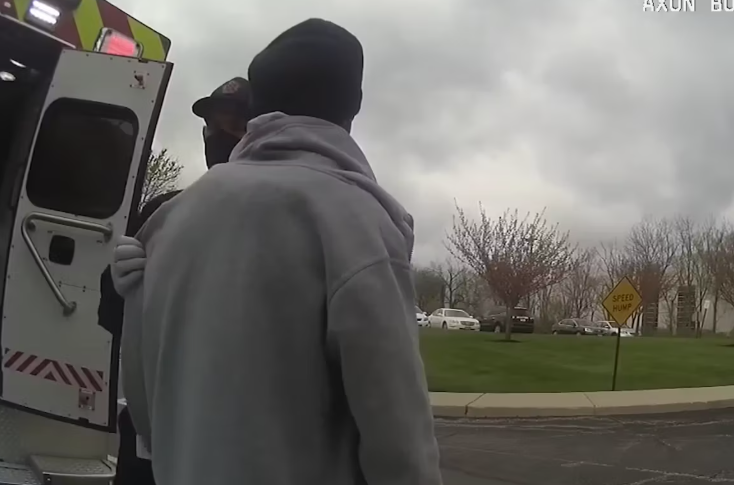
Body-Worn Cameras (BWCs): Widespread, effectively implemented BWC programs increase accountability for both officers and citizens, providing objective evidence in critical incidents. Clear policies on activation, data retention, and public access are vital.
Public Reporting and Data Sharing: Transparent reporting of use-of-force incidents, complaints, and disciplinary actions builds public trust and allows for data-driven analysis of trends and areas for improvement.
Community Policing Initiatives: Rebuilding relationships through genuine community engagement, joint problem-solving efforts, and collaborative programs fosters mutual understanding and reduces animosity, enhancing the department’s standing in local communities.
Strong Leadership and Culture Shift:
Ethical Leadership from the Top: Chiefs and command staff must model ethical behavior, articulate clear expectations for integrity, and consistently enforce accountability. They must actively dismantle the “blue wall of silence” and foster a culture where reporting misconduct is encouraged, not penalized.
Promoting Diversity and Inclusion: A diverse police force that reflects the community it serves can improve understanding, reduce bias, and enhance public perception.
Fair Compensation and Support:
Competitive Salaries and Benefits: Investing in competitive salaries, robust benefits, and retirement packages helps attract high-caliber recruits and retain experienced, ethical officers, reducing the financial pressures that can contribute to corrupt behavior.
Adequate Resources: Providing officers with the necessary equipment, technology, and support infrastructure ensures they can perform their duties effectively and safely.
The Role of Technology in Modern Accountability
The initial article’s overarching theme of “Technology” might seem disconnected from police misconduct, but in the context of solutions, it becomes highly relevant. Technology, far from being a cause of corruption, offers powerful tools for transparency, accountability, and improved policing practices in 2025.
Body-Worn Cameras (BWCs): As mentioned, these devices have become a cornerstone of modern police reform, providing an objective record of encounters, deterring police misconduct, and offering crucial evidence for investigations. Their implementation, however, must be accompanied by clear, consistent policies and robust data management systems to realize their full potential.
Data Analytics and Predictive Policing: Advanced analytics can identify patterns in officer behavior, citizen complaints, and use-of-force incidents, enabling departments to proactively address potential issues before they escalate. Early intervention systems, powered by data, can flag officers who might benefit from additional training or counseling, mitigating risks of future police misconduct. Ethical considerations regarding bias in data collection and application are paramount here.
Digital Evidence Management Systems: Streamlined systems for managing body camera footage, dashcam recordings, and other digital evidence enhance transparency and simplify the investigative process for internal affairs and external oversight bodies.
Non-Lethal Technologies: Innovations in less-lethal weapons and control devices offer officers more options for de-escalation, reducing the necessity for higher levels of force and thereby decreasing the incidence of police brutality.
Technology, therefore, is not a panacea, but a crucial enabler. When strategically integrated with policy, training, and leadership, it can be a formidable ally in the fight against police corruption and a powerful driver for fostering a more ethical and accountable law enforcement environment.
Conclusion
The challenge of police misconduct is deeply embedded in the complexities of power, human nature, and systemic pressures. It is a problem that corrodes the foundations of justice, erodes public faith, and ultimately compromises the safety and security of our communities. From the psychological allure of unchecked authority to the subtle erosion of ethics fueled by resentment and entitlement, the path to corruption is multi-layered and insidious.
As we look towards 2025 and beyond, confronting police misconduct requires more than just reactive measures. It demands proactive, comprehensive reform across training, oversight, culture, and officer support. It necessitates a commitment from law enforcement leaders, policymakers, and communities alike to champion transparency, enforce strict accountability, and foster a culture of integrity. The stakes are too high to ignore this critical issue. The future of public safety and the promise of equal justice under the law depend on our collective ability to ensure that the power entrusted to our law enforcement officers is always wielded with the utmost responsibility, professionalism, and unwavering ethical standards.
Are you a law enforcement agency seeking expert guidance on ethical policing, risk management, or fostering community trust? Or are you a legal professional navigating the complexities of police accountability cases? Connect with our team today to explore tailored solutions and strategic advice designed for the challenges of modern law enforcement.