Beyond the Lens: Decoding US Police Bodycam Footage and the Future of Law Enforcement Transparency
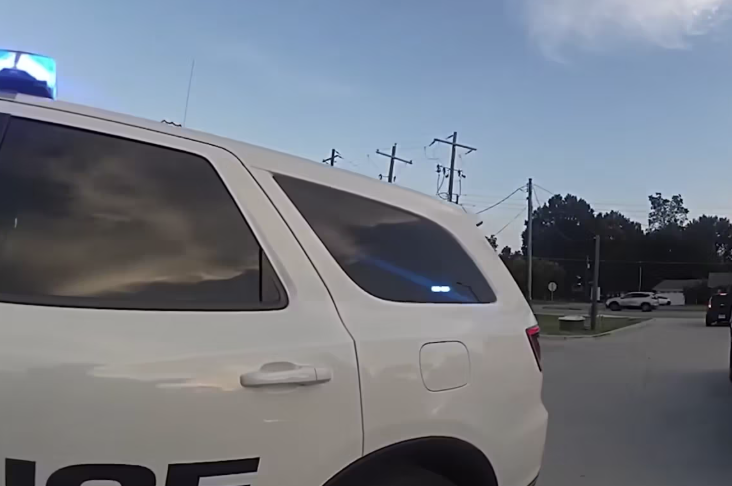
As an industry expert with a decade steeped in the intricate world of law enforcement technology and public safety communications, I’ve witnessed a profound transformation in how the public perceives and interacts with policing. Gone are the days when media narratives were solely shaped by traditional news outlets or dramatized television series. Today, a new, unfiltered window into daily police work has captured global attention: US police bodycam footage. This raw, often visceral content, streamed across platforms from YouTube to TikTok, isn’t merely entertainment; it’s a critical lens through which we scrutinize justice, accountability, and the relentless pressures faced by officers on the front lines.
The allure isn’t in cinematic polish, but in unvarnished reality. Each frame of US police bodycam footage offers an unparalleled glimpse into the unpredictable dance between order and chaos. From seemingly routine traffic stops that escalate in milliseconds to high-stakes confrontations involving armed suspects or complex mental health crises, the camera captures decisions made in fractions of a second, often with life-or-death consequences. This immediate, first-person perspective fosters an engagement that scripted dramas simply cannot replicate, drawing millions of viewers eager to understand the dynamics behind the badge.
From Network TV to Digital Evidence: The Evolution of Law Enforcement Transparency
The journey from the “COPS” TV show era of the 1990s to our current “bodycam era” represents more than just a technological upgrade; it’s a paradigm shift in law enforcement transparency. Back then, camera crews provided a filtered, often edited version of police work. Today, US police bodycam footage serves as direct, irrefutable legal evidence, shaping court proceedings, internal investigations, and public discourse alike.
Major departments across the United States—from the sprawling Los Angeles Police Department (LAPD) to the vigilant New York City Police Department (NYPD) and numerous Sheriff’s Offices in states like Florida—have mandated the deployment of these devices. This isn’t just a trend; it’s a foundational component of modern policing strategy, designed to enhance police accountability software systems and bolster public trust. The resulting trove of US police bodycam footage has created an unprecedented repository of real-world scenarios, offering invaluable insights into everything from proper procedure and de-escalation tactics to the critical nuances of officer conduct. This shift has also spurred demand for advanced digital evidence management solutions, ensuring the integrity and accessibility of this vast data.
Navigating Legal Labyrinths: The Sovereign Citizen Phenomenon
Among the most compelling and often frustrating segments within US police bodycam footage are encounters with individuals identifying as “Sovereign Citizens.” These interactions highlight a significant challenge within law enforcement: the clash between established legal frameworks and deeply held, albeit legally unfounded, personal ideologies. Sovereign Citizens believe they are exempt from most U.S. laws, asserting an autonomy that often leads to direct confrontation with officers.
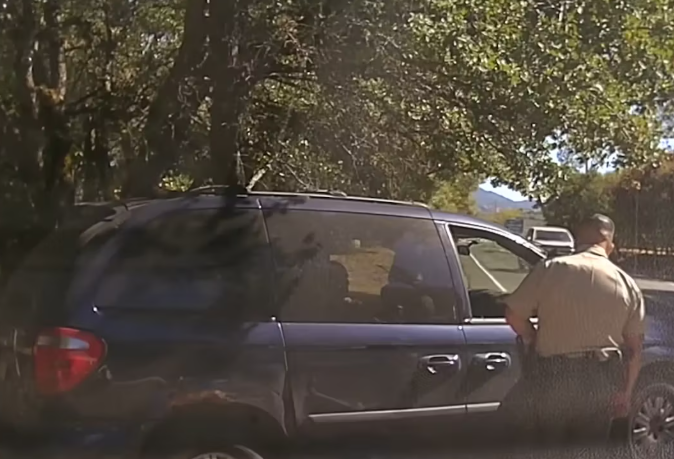
I’ve personally analyzed countless hours of such US police bodycam footage, observing situations where routine traffic stops for minor infractions—like driving without a license or proper vehicle registration—spiral into protracted legal debates. These individuals frequently cite obscure interpretations of common law, maritime law, or historical treaties, refusing to acknowledge police authority or comply with basic instructions. The resolution, as often captured in the footage, can be abrupt: a broken window, forced extraction, and eventual arrest, often leading to charges that could result in a significant police misconduct lawsuit or allegations of civil rights violation attorney intervention, depending on the specifics of the officer’s actions. These clips serve not only as cautionary tales but also as an unconventional public education tool, illustrating the immutable principle that in a civil society, rights are inextricably linked with responsibilities and legal obligations. For police departments, understanding how to professionally and lawfully manage these encounters is critical, underscoring the necessity for robust police training programs focused on legal boundaries and effective communication strategies.
The Invisible Weight: Mental Health and the Badge
While US police bodycam footage frequently showcases officers in moments of heroic intervention or decisive action, it rarely captures the profound psychological toll these experiences take. Beyond the visible struggles, there’s an unseen battle against mental and emotional fatigue. Every use of force, particularly an officer-involved shooting (OIS), triggers an exhaustive “Internal Affairs investigation.” This meticulous scrutiny, often lasting months, dissects every decision, every word, every movement.
The stakes are astronomously high. A correct, split-second decision can save lives, avert tragedy, and uphold public safety. Conversely, a minor misjudgment, even in a high-stress environment, can ignite media firestorms, spark widespread protests, and erode public trust, potentially leading to city-wide unrest. This is precisely why platforms like PoliceActivity and Donut Operator have become so crucial. They provide vital analysis of US police bodycam footage, offering context, explaining legal precedents, and dissecting tactical decisions. This expert analysis helps bridge the gap between public perception and the realities of policing, fostering a more informed discourse around law enforcement policy reform and the complex choices officers must make. Recognizing this immense pressure, forward-thinking departments are increasingly investing in mental health support and advanced situational awareness training to equip officers with better coping mechanisms and decision-making tools.
Four-Legged Guardians: The Indispensable K9 Units
No discussion of modern policing, especially as depicted in US police bodycam footage, would be complete without acknowledging the extraordinary contributions of K9 units. These highly trained canines—primarily Belgian Malinois and German Shepherds—are far more than just partners; they are essential tools for public safety, instilling fear in suspects while offering critical assistance to officers.
K9s are deployed in a myriad of high-risk scenarios: tracking fleeing suspects through dense foliage, locating narcotics or explosives, or providing critical backup in volatile situations. The command “Release the K9!” often signifies the final escalation when verbal commands and less-lethal options have been exhausted. The US police bodycam footage capturing these moments is truly captivating, demonstrating the K9s’ unwavering loyalty, incredible courage, and absolute discipline as they subdue armed or non-compliant individuals. Their effectiveness in de-escalating dangerous situations or safely apprehending suspects who might otherwise pose a continued threat is invaluable, saving lives—both civilian and officer—and underscoring the critical role of these specialized units in modern law enforcement.
AI, Analytics, and the Future of Forensic Review
The rapid advancements in artificial intelligence are poised to revolutionize how US police bodycam footage is processed, analyzed, and leveraged. We’re moving beyond simple video storage to sophisticated analytical frameworks that promise unprecedented levels of clarity and efficiency in investigations and training.
Tools like Lighthouse and other advanced AI video processing platforms are already demonstrating their transformative potential. These systems can perform complex tasks such as clarifying blurry faces, tracking bullet trajectories, identifying specific objects or vehicles, and even analyzing body language to inform de-escalation strategies. For investigators, this means sifting through thousands of hours of US police bodycam footage can be streamlined into concise, actionable summaries in minutes, significantly reducing time spent on manual review. This isn’t just about speed; it’s about accuracy and objectivity. AI-driven forensics can uncover details missed by the human eye, enhancing the integrity of evidence-based policing and bolstering arguments in potential police brutality lawyer cases or police misconduct lawsuit claims by providing unbiased data.
The integration of AI also plays a crucial role in enhancing police accountability software and overall public safety technology solutions. By automating the identification of compliance breaches or exemplary conduct, AI can provide real-time feedback for law enforcement training programs and inform law enforcement policy reform. The principle here is simple yet powerful: technology doesn’t lie. If an officer’s actions are questionable, the camera and AI will help reveal it. If their actions are justified, the technology will provide robust defense. This dual capacity makes AI an indispensable ally in the pursuit of justice and transparency, while also raising important considerations around data privacy, algorithmic bias, and ethical implementation that must be carefully managed as we move toward 2025 and beyond.
The Cultural Resonance and a Call for Informed Discourse
US police bodycam footage has transcended its origins as mere operational data to become a potent force in global popular culture. Through the ubiquitous reach of social media platforms, these raw clips offer a universal curriculum in human behavior, crisis management, and the complexities of governance. Viewers from every corner of the world can gain a visceral understanding of the societal challenges faced by American communities and the daily realities of its police force. They observe different communication styles, de-escalation attempts, and the often-harsh realities of maintaining order.
As an industry expert, I see this global engagement as both an opportunity and a responsibility. It’s an opportunity for increased law enforcement transparency and for fostering a deeper, more nuanced understanding of policing beyond headlines. It’s a responsibility to ensure that this footage is presented with context, interpreted with expertise, and utilized to drive constructive conversations about police accountability, law enforcement policy reform, and the continued evolution of public safety technology solutions. The prevalence of US police bodycam footage forces us all to confront difficult truths, celebrate acts of bravery, and critically evaluate the systems in place.
Taking the Next Step Towards Smarter Policing
The era of US police bodycam footage has irrevocably changed the landscape of law enforcement and public engagement. For police departments, technology providers, legal professionals, and community leaders alike, understanding and effectively utilizing this powerful resource is paramount. If your organization is looking to navigate the complexities of digital evidence management, enhance officer training through data-driven insights, or implement cutting-edge AI solutions for improved police accountability and law enforcement transparency, we invite you to connect with our team. Leverage our decade of industry expertise to develop strategies that not only meet current demands but also anticipate the future of public safety. Let’s work together to build a more transparent, accountable, and effective policing environment for 2025 and beyond.