Beyond the Lens: Unpacking the Future of Police Bodycam Footage and Public Trust
As an industry expert who has spent over a decade navigating the complex intersection of law enforcement, technology, and public perception, I’ve witnessed firsthand the seismic shifts in how police interactions are documented and consumed. What began as a voyeuristic glimpse into the lives of officers has evolved into a cornerstone of accountability, a critical piece of evidence, and a powerful, albeit sometimes controversial, tool for shaping public discourse. The proliferation of police bodycam footage has irrevocably altered the landscape of modern policing, pushing the boundaries of transparency while simultaneously introducing new layers of scrutiny and debate.
Let’s cut through the noise and delve into the real impact, the underlying trends, and the future trajectory of this indispensable technology. We’re not just talking about raw video clips anymore; we’re dissecting a socio-technological phenomenon that impacts everything from criminal justice to civil rights.
The Unfiltered Lens: Why We’re Drawn to Police Bodycam Footage
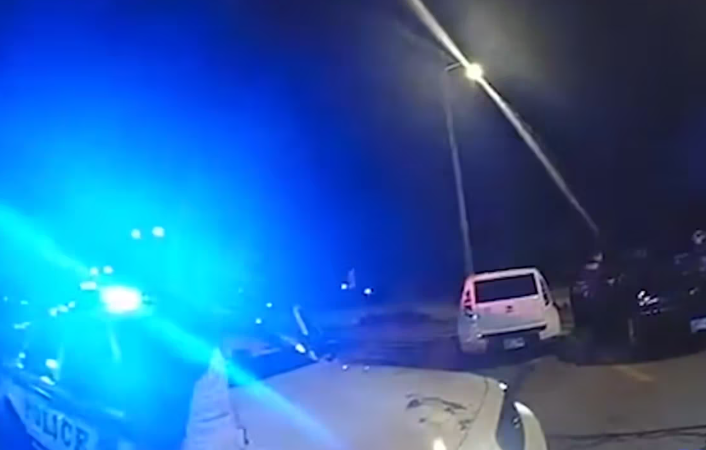
Have you ever found yourself captivated by a shaky, sometimes chaotic clip from an officer’s chest-mounted camera? You’re not alone. Millions worldwide flock to platforms like YouTube and TikTok for an unfiltered look at law enforcement in action. This isn’t about Hollywood theatrics or polished narratives; it’s about raw, unvarnished reality. From a seemingly routine DUI stop to a high-stakes tactical engagement or a multi-state high-speed pursuit, police bodycam footage offers an unprecedented window into the split-second decisions and inherent dangers officers face daily. Viewers aren’t merely passive spectators; they’re often witnessing a direct confrontation between order and chaos, law and lawlessness.
This magnetic pull stems from several core human fascinations: a desire for truth, an inherent curiosity about high-stress situations, and a yearning to understand the mechanisms of justice. Unlike the staged realities of traditional crime dramas, police bodycam footage presents scenarios where the stakes are undeniably real, where outcomes are uncertain, and where human reactions are laid bare. This authenticity is a powerful draw, underpinning its cultural significance and establishing it as a primary source of information regarding public safety.
From Network TV to Digital Evidence: The Evolution of Law Enforcement Documentation
The journey of documenting police work has undergone a radical transformation. Back in the 1990s, programs like “COPS” gave us a produced, cameraman-followed perspective, offering a curated look at law enforcement operations. Fast forward to today, and the ubiquitous police bodycam footage has fundamentally changed the game. It’s no longer mere entertainment; it’s a critical piece of the criminal justice system, often serving as the ultimate legal evidence.
Across the United States, major police departments such as the LAPD in Los Angeles, the NYPD in New York, and countless Sheriff’s Offices across Florida and Texas, mandate the use of officer body cameras. This institutional adoption has created an unparalleled repository of real-world interactions, a dynamic archive that no fictionalized drama could ever replicate. The tense breath of an officer, the emphatic command to “Drop the weapon!”, and the micro-decisions made in fractions of a second during life-or-death encounters – all are meticulously captured. This trove of digital evidence management is invaluable, not just for accountability but also for police training software development and critical incident review. Understanding the deployment and storage of this law enforcement technology is paramount for effective police reform and transparency initiatives.
Navigating the Fringes: Encounters with Sovereign Citizens and the Rule of Law
Among the most “viral” content derived from police bodycam footage are interactions with individuals who identify as Sovereign Citizens. These encounters, often characterized by protracted, bewildering arguments, stem from a belief that established American law does not apply to them. It’s a phenomenon that poses unique challenges to police officers and highlights significant legal complexities.
You’ve likely seen the clips: a driver with no license or registration, pulled over for a traffic violation, launches into a 20-minute discourse on “freedom of travel” or “maritime law.” These exchanges often escalate, transforming what should be a routine stop into a legally intricate and potentially volatile situation. The typical resolution, often involving a forceful vehicle extraction and arrest, serves as a stark, if sometimes dramatic, educational moment for the public: rights and responsibilities are inextricably linked within the U.S. criminal justice system. These interactions underscore the importance of de-escalation tactics and comprehensive officer training in legal doctrine, especially when dealing with complex citizen encounters. For a criminal defense lawyer, such footage can be a double-edged sword, either incriminating or exonerating, depending on the specifics of the interaction and the legality of the officer’s actions. Understanding the nuances of these interactions is crucial for police legal defense strategies and upholding civil rights.
Beyond the Badge: The Invisible Pressures and Psychological Toll
While the public often focuses on the dramatic arrests and successful resolutions captured on police bodycam footage, fewer appreciate the profound psychological toll and invisible pressures officers endure. Every time an officer uses force, particularly lethal force, even in clear self-defense, it triggers a cascade of internal investigations by units like Internal Affairs. These probes, which can last for months, scrutinize every detail, every decision, and every second leading up to the incident.
Officer-involved shootings (OIS) remain a constant flashpoint for media scrutiny and public protest. A justified decision can save lives, preventing further harm to civilians or officers. Yet, a perceived misstep, even a minor one, can ignite widespread unrest and lead to calls for major police reform. This intense public and internal scrutiny underscores the importance of analytical platforms like PoliceActivity or Donut Operator, which provide crucial context and expert analysis, helping the public understand the intricate pressures and split-second considerations that dictate officer actions in high-stress scenarios. It’s not just about what the camera records, but the narrative and understanding built around it, which is essential for public perception of police and maintaining community trust.
The Unsung Heroes: K9 Units and Their Indispensable Role
No discussion of modern policing, especially concerning police bodycam footage, would be complete without acknowledging K9 units. These highly trained, four-legged officers – often Belgian Malinois or German Shepherds – are a formidable presence and a critical asset in law enforcement, frequently seen in footage apprehending suspects attempting to evade capture in dense underbrush or within buildings.
The command “Release the K9!” often signals the final escalation point when all verbal commands and de-escalation attempts have failed. The footage depicting K9s apprehending armed suspects is consistently among the most compelling, showcasing the dogs’ incredible courage, unwavering discipline, and invaluable contribution to officer and public safety. These specialized units, often equipped with their own miniature security camera systems, demonstrate a unique synergy between handler and animal, representing a non-lethal (though sometimes controversial) force option that saves lives and prevents further harm. Their role in public safety technology is undeniable, making them an integral part of many government contract solutions for police departments.
AI, Digital Forensics, and the Future of Police Bodycam Footage
The landscape of police bodycam footage analysis is on the precipice of a technological revolution, largely driven by advancements in Artificial Intelligence and digital forensics. Tools like Lighthouse for video analysis or custom AI solutions are no longer science fiction; they are actively shaping how law enforcement processes and utilizes vast amounts of video data.
These sophisticated platforms can perform a multitude of tasks: enhancing facial recognition in low-light conditions, analyzing bullet trajectories to reconstruct officer-involved shootings, automatically transcribing audio for evidence review, and even flagging critical incidents for immediate review. For content creators and internal affairs units, AI can condense thousands of hours of raw footage into concise, actionable summaries, dramatically improving efficiency in digital evidence management.
The future envisions AI for law enforcement integrating predictive analytics crime prevention, virtual reality training scenarios derived directly from real police bodycam footage, and even real-time tactical overlays for officers in the field. This technology is designed to be impartial; it doesn’t lie. If an officer errs, the camera will document it, providing objective evidence for accountability. Conversely, if an officer acts correctly under pressure, the camera will corroborate their actions, offering vital protection against false accusations. The ethical considerations surrounding data privacy, algorithmic bias, and public access to this unprecedented level of surveillance will remain at the forefront of policy discussions well into 2025 and beyond. Law enforcement technology solutions will continue to evolve, offering increasingly sophisticated tools for analysis and review.
US Police Bodycam Footage: A Global Cultural Phenomenon and Tool for Understanding
Beyond its practical applications in law enforcement, police bodycam footage has solidified its place as a significant component of global popular culture, particularly across social media platforms. The raw, unscripted nature of these interactions provides an intimate, often intense, look into American society and its unique legal framework. Viewers from around the world, whether in Vietnam, Europe, or Australia, can glean insights into de-escalation techniques, learn about the complexities of police procedure, and gain a deeper understanding of the diverse challenges faced by law enforcement agencies in the United States.
This pervasive access to police bodycam footage has transformed the public’s relationship with policing. It fosters a level of transparency that was unimaginable just a few decades ago, pushing conversations around police accountability, civil rights, and public safety to the forefront. As technology continues to advance and public expectations evolve, the role of body cameras will only become more integrated into the fabric of our society, serving as both a powerful safeguard and a mirror reflecting the ongoing complexities of justice.
The journey of police bodycam footage from a niche technology to a fundamental pillar of modern policing is far from over. It is a dynamic field, constantly evolving with new technological advancements, legal precedents, and societal expectations. As we look towards 2025 and beyond, understanding these intricate relationships is more critical than ever.
If you’re interested in delving deeper into the nuances of law enforcement technology, digital evidence management, or navigating the complexities of police legal defense, I encourage you to explore our resources or connect with an expert who can provide tailored insights for your specific needs. Understanding the cutting edge of public safety technology is key to shaping its future responsibly and effectively.