Beyond the Lens: Decoding the Impact of US Police Bodycam Footage on Justice, Transparency, and Public Trust
As an industry expert with over a decade immersed in law enforcement technology and public policy, I’ve witnessed firsthand the profound transformation brought about by US police bodycam footage. What began as a nascent technology, often met with skepticism, has evolved into an indispensable tool, reshaping everything from police accountability to the very fabric of our criminal justice system. From the raw, unscripted drama that captivates millions online to its critical role as irrefutable digital evidence, body cameras have fundamentally altered the dialogue between law enforcement and the communities they serve. This article delves deep into the multifaceted impact of this technology, exploring its allure, its challenges, and its pivotal role in navigating the complex landscape of modern American policing.
The Irresistible Pull: Why We’re Hooked on Real-Time Policing
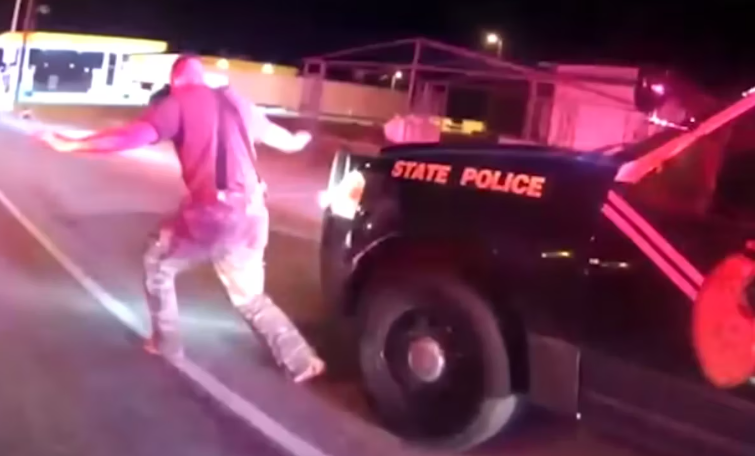
It’s an undeniable phenomenon: millions flock to platforms like YouTube and TikTok to watch grainy, often shaky, first-person recordings from officers’ perspectives. This isn’t high-definition cinema; it’s the visceral reality of policing. Unlike scripted dramas or even long-running reality shows like COPS, US police bodycam footage offers an unvarnished, unfiltered glimpse into high-stakes encounters. There’s no carefully crafted narrative, no second takes – just raw, unpredictable moments where split-second decisions dictate outcomes.
This fascination isn’t just about entertainment; it’s rooted in a fundamental human curiosity about conflict, justice, and survival. Viewers aren’t merely passive observers; they become immersed in scenarios ranging from routine traffic stops for DUI enforcement that unexpectedly escalate, to harrowing high-speed pursuits across state lines, or tense standoffs in dimly lit alleys. This immersive experience provides a unique window into the perpetual tension between order and chaos, offering an unprecedented level of law enforcement transparency. It’s this authentic, unscripted drama, rich with human emotion and ethical dilemmas, that cements US police bodycam footage as a captivating cultural touchstone, driving immense public engagement and debate.
The Evolution of Digital Witnessing: From Dash Cams to Body-Worn Devices
The journey of digital evidence in policing began long before bodycams. In the 1990s, dash cameras became standard issue in many patrol vehicles, capturing roadside interactions from a fixed perspective. While groundbreaking for their time, these systems had inherent limitations, missing critical interactions that occurred out of frame or once officers exited their vehicles.
The advent of police body cameras heralded a true paradigm shift. No longer just a recording device, it became a personal digital witness. Mandates for officers to wear cameras are now commonplace in major departments across the nation, from the Los Angeles Police Department (LAPD bodycam policies) to the New York Police Department (NYPD bodycam usage), and numerous sheriff’s offices, particularly in states like Florida, where agencies like the Broward County Sheriff’s Office have fully integrated them. This widespread adoption underscores the understanding that bodycams provide unparalleled legal evidence.
The footage captures the officer’s immediate environment, often including their breath, the urgency in their commands (“Drop the gun!”), and the micro-decisions made under immense pressure. This intimate perspective offers crucial context that fixed cameras simply cannot. It’s a game-changer for police oversight, providing an objective record that can corroborate officer statements, validate citizen complaints, or debunk false accusations. The ability of US police bodycam footage to serve as definitive evidence has revolutionized court proceedings, internal investigations, and public perception, moving beyond mere entertainment to a fundamental component of the modern criminal justice system. Furthermore, the integration of such devices has spurred innovation in legal tech solutions designed to manage and analyze this growing volume of digital evidence.
Navigating Legal Quandaries: Sovereign Citizens and the Rule of Law
Among the more contentious and, paradoxically, highly viewed categories of US police bodycam footage are encounters with individuals identifying as “Sovereign Citizens.” These individuals adhere to a fringe ideology asserting that they are exempt from most government statutes and regulations, often leading to protracted, illogical, and legally baseless arguments with law enforcement officers.
From an expert’s vantage point, these interactions are far from amusing; they represent a significant operational challenge and a drain on resources. Imagine a traffic stop where a driver, lacking a license plate or valid registration, launches into a 20-minute diatribe about “freedom of travel” and “maritime law.” These encounters, frequently captured by police body cameras, showcase the profound disconnect between these individuals’ beliefs and the established legal framework. Often, these scenarios culminate in vehicle impoundments, arrests for obstruction, or, in more extreme cases, resistance that requires officers to use force, which is then meticulously documented by the US police bodycam footage.
These clips, while popular for their dramatic conclusions (often involving a smashed window to gain access to a resisting occupant), serve a vital, albeit unintended, educational purpose. They highlight the unwavering principle that rights are inextricably linked to responsibilities within a constitutional republic. For those interested in civil rights attorney cases or the nuances of criminal defense lawyer strategies, these incidents offer compelling insights into the boundaries of legal authority and individual claims. They also underscore the specialized police training required to de-escalate such encounters and uphold the law without compromising officer safety.
The Unseen Burden: Psychological Tolls and Intense Scrutiny in Law Enforcement
While the public often sees the immediate, adrenaline-fueled moments of an arrest or a critical incident, the true weight of the badge extends far beyond the recorded event. Behind every piece of US police bodycam footage showing an officer using force, particularly in an Officer-Involved Shooting (OIS), lies a prolonged and emotionally grueling aftermath.
An OIS, even when legally justified and necessary for self-defense or the protection of others, triggers months, if not years, of exhaustive investigation by internal affairs units and often state-level agencies. Officers face intense scrutiny, public condemnation, and the profound psychological burden of taking a life. The decision to pull the trigger is made in fractions of a second, but its repercussions can reverberate for a lifetime, both for the officer and the community. This immense pressure contributes significantly to stress, PTSD, and a host of mental health challenges within law enforcement.
US police bodycam footage plays a dual role here. On one hand, it provides crucial objective evidence that can exonerate an officer, demonstrating that actions were justified under the circumstances. On the other hand, it is the primary tool for holding officers accountable in instances of police misconduct lawsuit or excessive force. This objective record helps navigate the complex terrain of public perception, media narratives, and legal proceedings. Experts in community policing and advocates for police accountability often rely on this footage to analyze incidents, identify systemic issues, and propose reforms. Channels like PoliceActivity and Donut Operator, often run by former law enforcement, analyze this footage to provide informed perspectives, helping the public understand the intricate tactical and legal considerations that dictate officers’ actions in high-stress situations. The demand for law enforcement consulting in areas of policy review and use-of-force training is directly influenced by these public dialogues around bodycam incidents.
K9 Units: The Four-Legged Force Multipliers in Modern Policing
No comprehensive discussion of US police bodycam footage would be complete without acknowledging the incredible contributions of police K9 units. These highly trained, four-legged officers – primarily breeds like Belgian Malinois and German Shepherds – are indispensable assets, often serving as the ultimate deterrent or the final option when human negotiation fails.
The raw power, discipline, and unwavering loyalty of K9s are frequently captured in gripping bodycam sequences. Whether it’s tracking a fleeing suspect through dense brush, locating narcotics, or apprehending an armed individual hiding in a building, the command “Release the K9!” often signals a critical moment in an operation. The footage typically shows the K9’s incredible speed and focus, swiftly neutralizing threats or locating individuals who might otherwise evade capture.
These police K9 units are not just tools for apprehension; they are highly skilled partners that provide officer safety, act as a psychological deterrent, and significantly reduce the risk of harm to both officers and suspects by resolving situations more rapidly and effectively. For specialized tactical training and understanding the nuances of public safety operations, the footage from these K9 deployments is invaluable, demonstrating the effectiveness and controlled aggression of these canine heroes. They represent a significant investment in law enforcement resources and are a testament to the diverse strategies employed in modern policing.
The AI Frontier: Enhancing Transparency and Efficiency in Bodycam Analysis
The sheer volume of US police bodycam footage generated daily is staggering, posing a monumental challenge for storage, review, and analysis. This is where artificial intelligence (AI) and advanced surveillance technology are rapidly transforming the landscape. The future of policing, and specifically the utilization of bodycam data, is intrinsically linked to these technological advancements.
AI-powered legal tech solutions are now capable of processing thousands of hours of video in a fraction of the time it would take human analysts. These tools can perform a multitude of tasks:
Automated Redaction: Identifying and blurring faces of bystanders or minors, as well as license plates and other private information, to comply with privacy regulations before public release. This is critical for managing public records requests.
Object Detection: Identifying weapons, drugs, or specific vehicles within the footage.
Behavioral Analysis: Flagging instances of rapid movement, aggression, or de-escalation attempts for review.
Transcription and Translation: Converting spoken words into text, and even translating them, to make investigations more efficient.
Evidence Management Software: Streamlining the storage, categorization, and retrieval of vast quantities of video evidence, ensuring chain of custody and legal compliance.
Companies like Lighthouse, mentioned in the original context, and others like Axon and Genetec, are at the forefront of developing these sophisticated platforms. Beyond simple review, AI can contribute to predictive policing models, identifying crime hotspots or patterns, though this area raises significant ethical questions regarding bias and privacy. The ultimate goal is to leverage data analytics for law enforcement to enhance police accountability, improve officer training, accelerate investigations, and ensure law enforcement transparency through data-driven insights. When deployed ethically, AI in policing promises to make the processing of US police bodycam footage more efficient, effective, and transparent, reinforcing the principle that “technology doesn’t lie” and can protect both citizens and officers.
A Cultural Icon and a Catalyst for Change: The Enduring Impact of US Police Bodycam Footage
In conclusion, US police bodycam footage has transcended its origins as a mere piece of equipment. It has become a powerful cultural phenomenon, a critical tool for justice, and a catalyst for ongoing societal dialogue about policing, civil liberties, and the future of public safety. From the streets of New York to the small towns of Texas, these cameras are not just recording devices; they are instruments of truth, fostering a new era of police oversight and citizen engagement.
The raw authenticity of these recordings offers a global audience, whether in Hanoi or London, an unparalleled opportunity to understand the complexities of American law enforcement, the challenges officers face, and the intricate workings of the US criminal justice system. It illuminates how officers manage escalating situations, engage in critical dialogue, and make life-or-death decisions.
As we look towards 2025 and beyond, the role of US police bodycam footage will only continue to grow. With advancements in AI, increased demands for transparency, and evolving legal frameworks, these cameras will remain at the epicenter of conversations about police reform, technology ethics, and the pursuit of a more just and accountable society.
The insights gained from these digital witnesses are invaluable. If your organization is grappling with the complexities of managing, analyzing, or implementing bodycam technology, or if you seek to understand its full implications for public trust and legal efficacy, consider partnering with experts who can guide you through this evolving landscape. We invite you to explore how strategic integration and analysis of US police bodycam footage can enhance your agency’s operations, foster greater community trust, and ensure robust accountability. Contact us today to discuss tailored solutions and expert consultation.