Beyond the Lens: A Decade of Expertise in Police Bodycam Footage and the Evolving Landscape of Law Enforcement Transparency
For over a decade, my work has immersed me in the intricate intersection of technology, policy, and public perception within law enforcement. From the tactical deployment of new gear to the analysis of complex incidents, I’ve witnessed firsthand the transformative power of police bodycam footage. This isn’t just about cameras; it’s about the profound shift in accountability, evidence management, and the very narrative surrounding policing in America. What began as an experimental tool has cemented its place as an indispensable pillar of modern law enforcement, influencing everything from judicial proceedings to public trust.
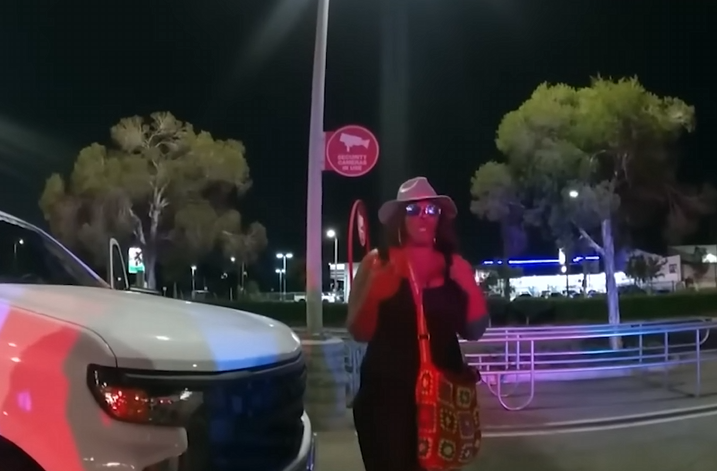
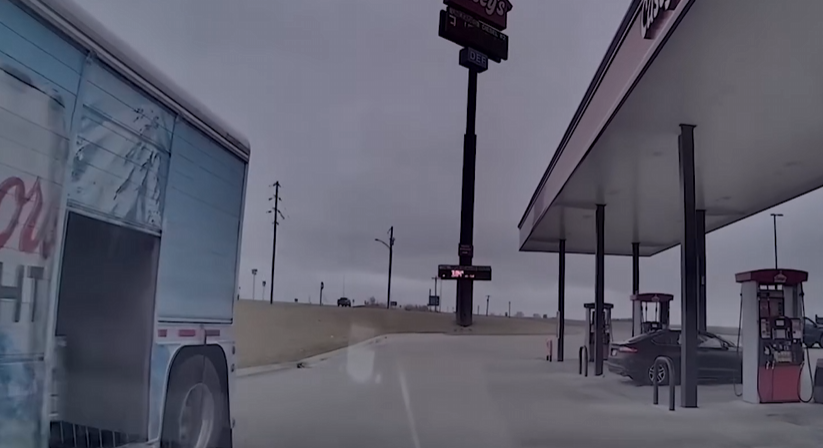
The raw, unscripted reality captured by these devices offers an unparalleled window into the often-perilous world of an officer’s daily duties. Unlike the carefully curated dramas or sensationalized news clips, police bodycam footage provides an unfiltered perspective, compelling millions worldwide to tune into incidents ranging from routine traffic stops to high-stakes confrontations. This global fascination speaks volumes, not only about the inherent human interest in danger and justice but also about a collective desire for truth and transparency in an increasingly scrutinized profession.
The Irresistible Gaze: Why Police Bodycam Footage Captivates Global Audiences
The allure of police bodycam footage isn’t a mystery to those of us who understand the dynamics of human psychology and the demands of police work. Forget Hollywood theatrics; what these cameras record is genuine, immediate, and utterly unpredictable. It’s the closest most civilians will ever get to experiencing the adrenaline, the split-second decisions, and the inherent risks that define a law enforcement career. Each clip serves as a vignette of real-life drama, where the stakes are life, liberty, and public safety.
From a seemingly innocuous DUI check that spirals into a tense standoff, to the high-speed pursuit that traverses state lines, viewers are drawn into the authentic chaos and the disciplined response. This isn’t passive entertainment; it’s an active engagement with the complexities of the criminal justice system. The shaking frames, the muffled commands, the moments of calm before the storm—all contribute to an immersive experience that no studio production can replicate. This raw authenticity, in turn, heavily influences public perception of police and fuels discussions around “transparency in policing” and “police accountability.” The direct, visceral connection forged through this footage explains its viral proliferation across platforms like YouTube and TikTok, turning individual incidents into global case studies on law enforcement ethics and operational protocols.
From Analog to Digital: The Evolution of Visual Accountability in Policing
My journey began during the tail end of the “COPS TV show” era, where a cameraman’s handheld often dictated the public’s view of police interactions. That limited, often biased, perspective has been thoroughly superseded by the “Bodycam Era.” This isn’t merely an upgrade in equipment; it represents a paradigm shift from anecdotal accounts to incontrovertible “digital evidence.”
Today, the adoption of police bodycam footage isn’t just a recommendation; it’s a mandate across a significant portion of U.S. law enforcement agencies. Major departments like the Los Angeles Police Department (LAPD), the New York Police Department (NYPD), and numerous Sheriff’s offices across Florida have integrated body-worn cameras as standard issue. This widespread deployment has transformed every officer’s uniform into a mobile evidentiary record, generating an unprecedented volume of data. This treasure trove of raw footage, unlike any staged reality show, serves as the ultimate arbiter in disputes, the foundation for internal investigations, and a critical tool for officer training. The shift underscores the immense “legal implications of bodycams” and their capacity to either exonerate or indict. For agencies looking to bolster their “public safety technology solutions” and enhance “law enforcement data analytics,” robust evidence management systems are paramount to handling this deluge of information. The transition highlights a fundamental commitment to documenting reality, enhancing “police accountability software,” and fostering greater public trust through verifiable records.
Navigating the Legal Labyrinth: Encounters with Sovereign Citizens and Misinformation
One of the most compelling and, frankly, frustrating, categories of police bodycam footage involves interactions with individuals identifying as “Sovereign Citizens.” These encounters are a masterclass in legal misinterpretation and defiance, rooted in the belief that U.S. federal and state laws do not apply to them. From their perspective, they are “free men” operating outside governmental jurisdiction, a stance that frequently leads to volatile and prolonged standoffs with law enforcement.
I’ve analyzed countless hours of such footage, observing situations where drivers without licenses or registrations engage officers in lengthy, often nonsensical diatribes about their “right to travel” freely, unburdened by statutes. These interactions escalate rapidly when compliance is refused, often culminating in forced extractions from vehicles, property damage, and arrests. While entertaining for some, these clips serve a crucial dual purpose: they expose the practical challenges officers face daily and educate the public on the boundaries of “civil rights attorney” protections versus actual legal obligations. They starkly illustrate that rights are always accompanied by responsibilities. For law enforcement, these incidents underscore the need for specialized “police training programs” in de-escalation tactics and understanding complex legal arguments, while simultaneously providing critical “litigation support for police” in the event of a “police misconduct lawsuit.” The unvarnished truth captured by police bodycam footage in these situations cuts through misinformation, demonstrating that while freedoms are cherished, the rule of law ultimately prevails.
The Unseen Burdens: Psychological Impact and Scrutiny of Officer-Involved Shootings (OIS)
The public often sees the immediate outcome of an incident—the arrest, the use of force—but rarely the profound, lingering effects on the officers involved. My experience has repeatedly shown that the most grueling aspect of police work isn’t always the physical danger, but the immense psychological burden that accompanies critical incidents, especially “officer-involved shootings (OIS).” When an officer discharges their firearm, even in clear self-defense, it marks the beginning of a tortuous journey through investigations, scrutiny, and often, personal trauma.
Every OIS is immediately subjected to intense scrutiny by “Internal Affairs investigations,” the media, and the community. Police bodycam footage becomes the central piece of evidence, analyzed frame by frame by dozens of different parties. A correct decision made in a fraction of a second can prevent loss of life, but a perceived misstep, however minor, can ignite city-wide protests, accusations of “police brutality,” and potentially destroy careers and lives. This relentless focus highlights the need for robust “risk management for law enforcement” and comprehensive post-incident support for officers. Channels like PoliceActivity or Donut Operator, which analyze these incidents with an expert eye, play a vital role in educating the public on the tactical realities and legal parameters that dictate an officer’s actions under extreme pressure. Understanding the split-second decisions and the underlying “police use of force policy” is crucial for fostering informed public dialogue rather than reactive condemnation. The objective truth recorded by police bodycam footage can be a shield for justified actions, but also an unforgiving mirror for those that fall short.
Beyond Human Patrol: The Indispensable Role of K9 Units
No discussion of modern policing is complete without acknowledging the extraordinary contributions of “K9 units in policing.” These highly trained “four-legged heroes”—primarily Belgian Malinois and German Shepherds—are not merely pets; they are specialized tools, partners, and often, lifesavers. Their acute senses of smell and hearing, combined with rigorous training, make them indispensable assets in a myriad of law enforcement scenarios.
From tracking fleeing suspects through dense wilderness to locating hidden narcotics or explosives, K9s possess capabilities far beyond human officers. The command “Release the K9” is frequently the final tactical option when verbal commands and less-lethal force have failed to apprehend a dangerous or non-compliant individual. Police bodycam footage documenting K9 deployments is consistently among the most compelling, showcasing these animals’ courage, discipline, and unwavering loyalty. Watching a K9 apprehend a violent suspect or locate a missing child evokes a powerful sense of awe and gratitude. Their presence often de-escalates situations, as criminals are well aware of their formidable capabilities. Ethically, their deployment falls under the broader “use of force incidents” umbrella, requiring clear protocols and constant training to ensure both effectiveness and humane treatment. These dedicated animals and their handlers represent a pinnacle of collaborative policing, significantly enhancing both officer safety and public protection.
The Algorithmic Eye: AI, Data Analytics, and the Future of Police Bodycam Footage
Looking ahead to 2025 and beyond, the next frontier in leveraging police bodycam footage lies firmly within the realm of artificial intelligence and advanced data analytics. We are on the cusp of an era where AI doesn’t just store video but intelligently interprets and synthesizes it, transforming raw data into actionable insights and unprecedented transparency. Tools akin to ‘Lighthouse’ or specialized AI video processing platforms are already emerging, promising to revolutionize how law enforcement manages and learns from its visual archives.
Imagine AI algorithms automatically redacting sensitive information like faces of bystanders or minors, or rapidly transcribing dialogue for efficient review. Consider AI that can analyze bullet trajectories in “officer-involved shootings (OIS),” identify objects of interest, or even flag anomalous behaviors that might indicate escalating tension. For media and content creators, AI can distill thousands of hours of police bodycam footage into concise, relevant summaries, enhancing public understanding without overwhelming detail. This leap forward in “law enforcement data analytics” promises significant operational efficiencies and reinforces “police accountability software” by providing objective, machine-driven analysis.
However, this technological advancement also ushers in critical discussions around “data privacy in law enforcement” and the potential for algorithmic bias. The ethical deployment of AI in policing requires careful consideration to ensure fairness, accuracy, and the protection of civil liberties. Yet, the overall trajectory is clear: technology, when properly implemented, doesn’t lie. It provides an objective record, enhancing “public safety technology solutions” by confirming justified actions and exposing misconduct. For agencies navigating complex “government contracting for police tech” and seeking to future-proof their operations, investing in smart, ethical AI solutions for police bodycam footage analysis is not just an option, but a strategic imperative.
Conclusion: Police Bodycam Footage – A Cultural Icon and Catalyst for Change
The journey of police bodycam footage from a niche technological experiment to a global cultural phenomenon has been nothing short of revolutionary. It has fundamentally reshaped the narrative around policing, forcing a heightened level of transparency and accountability that was unimaginable a generation ago. What began as a tool for collecting evidence has evolved into a powerful instrument for education, public engagement, and systemic reform within the “criminal justice system.”
As an industry expert, I’ve observed how these small devices have become massive catalysts, influencing everything from the review of “police misconduct lawsuit” claims to the design of “police training programs.” They offer an unfiltered glimpse into the bravery, the challenges, and the humanity behind the badge, fostering a deeper, albeit sometimes uncomfortable, understanding between law enforcement and the communities they serve. This rich tapestry of reality, captured through the lens of a body camera, transcends borders, offering insights into societal dynamics and individual rights that resonate globally. The future promises even more sophisticated integration of technology, with AI poised to unlock unprecedented levels of analysis and insight from this critical visual data.
The evolution of police bodycam footage is far from over. It remains a dynamic field, constantly pushing the boundaries of what’s possible in “law enforcement technology” and challenging us to balance security with liberty, and efficiency with ethics. For agencies seeking to optimize their operations, enhance public trust, and navigate the complex legal landscape, understanding and strategically implementing these technologies is paramount.
Ready to explore how advanced video analytics and comprehensive evidence management can transform your department’s approach to police bodycam footage? Contact us today for a personalized consultation on implementing cutting-edge public safety technology solutions that drive transparency, accountability, and operational excellence.