Beyond the Lens: Deciphering the Impact of US Police Bodycam Footage
For a decade, I’ve been immersed in the intricate world where law enforcement intersects with cutting-edge technology and public perception. The shift from grainy news clips to the ubiquitous presence of US police bodycam footage has fundamentally reshaped our understanding of policing. It’s more than just a recording; it’s a digital testament, a tool for accountability, and a powerful, albeit often unsettling, window into the daily realities of officers across the nation. As we approach 2025, the evolution of this technology, its legal ramifications, and its societal influence continue to accelerate, demanding a closer look from industry experts and the public alike.
The Unfiltered Appeal: Why We’re Drawn to Officer Encounters
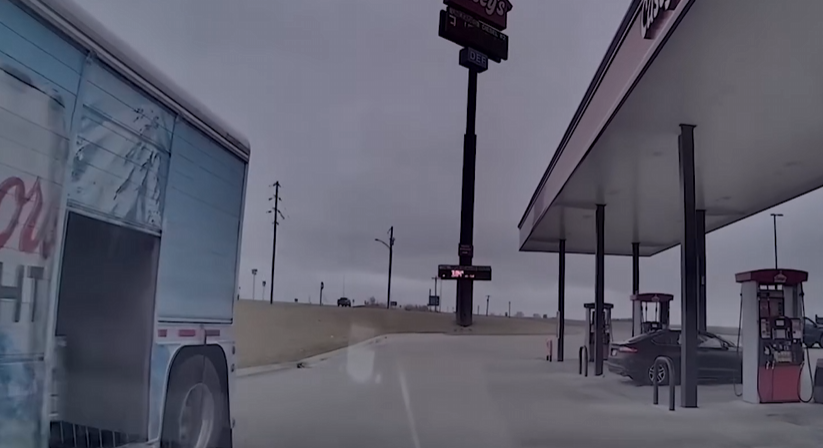
Have you ever found yourself scrolling through social media, captivated by shaky, unedited clips from an officer’s chest camera? Tens of millions of views on platforms like YouTube and TikTok aren’t garnered by cinematic artistry. Instead, the raw, unfiltered authenticity of US police bodycam footage is its primary draw. Unlike scripted dramas, there’s no retake button here. Every traffic stop, every domestic dispute, every high-stakes tactical decision unfolds in real-time, often with life-or-death consequences.
From what seems like a routine DUI stop to a high-speed pursuit spanning multiple jurisdictions or a tense standoff in a dimly lit alley, viewers aren’t just witnessing an arrest. They’re observing the delicate balance between order and chaos, the rapid-fire decision-making, and the inherent risks that define the profession. This voyeuristic glimpse into law enforcement transparency offers a unique perspective, providing context to police encounters that was historically absent. The widespread availability of US police bodycam footage has transformed public engagement with the criminal justice system, fostering both fascination and fierce debate.
From Television to Transparency: The Bodycam Era’s Ascent
Cast your mind back to the 1990s. Our exposure to law enforcement often came through shows like “COPS,” where a camera crew followed officers, offering a curated, third-person narrative. Today, the rise of the body-worn camera (BWC) has revolutionized this paradigm. It’s no longer just entertainment; US police bodycam footage has become a critical piece of legal evidence, a cornerstone of police accountability, and a powerful force for law enforcement technology solutions.
Major departments, from the Los Angeles Police Department (LAPD) to the New York Police Department (NYPD) and numerous sheriff’s offices across Florida, now mandate the use of BWCs by their officers. This mandate has created an unprecedented repository of real-world interactions – a “digital vault” no Hollywood production could accurately replicate. We hear the officer’s strained breath, the sharp command to “Drop the weapon!”, and witness the split-second judgments made under extreme duress. This shift underscores the pivotal role of bodycam data storage and effective digital evidence management systems. The demand for robust police body camera manufacturers has surged, driving innovation in durability, battery life, and data security. The legal implications of bodycams are profound, impacting everything from police brutality litigation to officer self-defense claims.
The Sovereign Citizen Challenge: When Ideology Meets Enforcement
One of the most compelling and often frustrating narratives captured in US police bodycam footage involves encounters with “Sovereign Citizens.” These individuals adhere to a complex, often contradictory ideology claiming they are exempt from most US laws, viewing themselves outside government authority. They represent a unique challenge for officers, often extending routine stops into lengthy, convoluted legal debates.
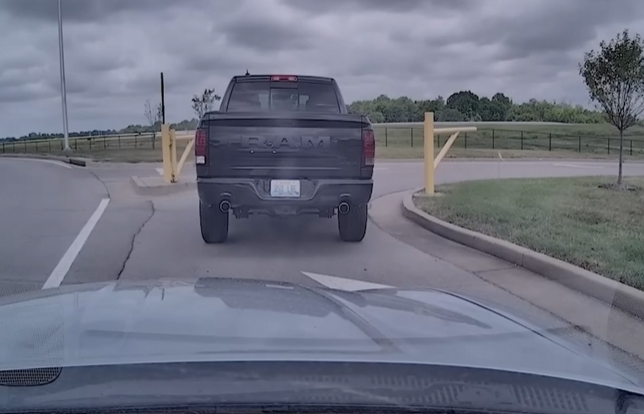
Imagine a driver, no license, no visible plates, stopped by an officer. Instead of compliance, they launch into a 20-minute discourse on their “right to travel” or esoteric interpretations of constitutional law. The climax of these interactions, often jarring, might involve a broken window and the driver being removed from their vehicle, genuinely perplexed by the turn of events. These viral clips, while highly entertaining for some, serve a dual purpose: they showcase the patience (or lack thereof) of officers and inadvertently educate the public on the boundaries of rights and responsibilities under American law. For departments, training officers to navigate these complex interactions is a critical component of law enforcement training programs, aiming for de-escalation while ensuring public safety.
The Invisible Burden: Pressures Behind the Badge
While US police bodycam footage vividly captures the immediate action of an officer subduing a suspect, it rarely conveys the unseen psychological toll that follows. Every use of force, particularly an officer-involved shooting (OIS), triggers months, if not years, of intense scrutiny from Internal Affairs units and potentially district attorneys. This internal investigation is often as grueling as the incident itself.
Officer-involved shootings invariably become media firestorms, fueling protests and demanding immediate answers. A correct, life-saving decision in a fraction of a second can be dissected ad nauseam, while a single misstep can ignite widespread civil unrest. This is precisely why analytical channels, such as PoliceActivity or Donut Operator, have become invaluable. They offer expert commentary, breaking down US police bodycam footage frame by frame, providing context, tactical analysis, and helping the public understand the intricate pressures and protocols that dictate officer actions in high-stress situations. The mental health and wellness of officers, a crucial element of public safety, are directly impacted by these incidents and subsequent investigations. Professional liability insurance for officers and departments is a significant consideration in this high-stakes environment.
Four-Legged Heroes: The Indispensable K9 Units
No exploration of US police bodycam footage would be complete without acknowledging the profound impact and bravery of K9 units. Breeds like Belgian Malinois and German Shepherds are not just pets; they are highly trained tactical assets, often the decisive factor in apprehending suspects who might otherwise evade capture in dense undergrowth or fortified structures.
The command, “Release the K9!” is typically the last resort, deployed when verbal commands and other less-lethal options have failed. US police bodycam footage capturing K9s engaging and subduing armed suspects is consistently among the most compelling and awe-inspiring content. These clips demonstrate the K9s’ unwavering courage, their precise training, and the unbreakable bond they share with their handlers. These specialized units, equipped with advanced public safety equipment, highlight the diversity of roles and capabilities within modern law enforcement. The tactical training services required for K9 handlers are highly specialized, reflecting the critical nature of their work.
The Future Lens: AI, Analytics, and Enhanced Accountability
We are standing at the precipice of a new era, witnessing a technological explosion in how US police bodycam footage is analyzed and utilized. Tools leveraging artificial intelligence, like advanced video analytics platforms, are transforming raw footage into actionable intelligence. These sophisticated systems can clarify blurred faces, trace bullet trajectories, or, for content creators, distill thousands of hours of recordings into concise, impactful summaries.
AI-driven video analytics for law enforcement are not just about clarity; they’re about efficiency and objective truth. When applied to US police bodycam footage, AI can flag potential policy violations, identify de-escalation opportunities, or verify an officer’s account with irrefutable data. The technology acts as an unbiased observer. If an officer errs, the camera provides the evidence. If an officer acts correctly, the camera offers crucial protection against false accusations, bolstering their trustworthiness and authority. This integration of AI also raises important ethical considerations regarding privacy and algorithmic bias, topics at the forefront of policy discussions. The need for secure bodycam data storage solutions that can handle massive volumes of video, along with robust digital evidence management systems, becomes paramount as this technology evolves. Risk management for police departments increasingly relies on these sophisticated technological safeguards.
Conclusion: US Police Bodycam Footage – A Cultural Icon and Catalyst for Change
What began as a tactical tool has transcended its original purpose. US police bodycam footage has cemented its place as a global cultural phenomenon, shaping perceptions of law enforcement worldwide through social media. Viewers from every corner of the globe can gain insights into conflict resolution, communication strategies, and the complex societal fabric of America through these vivid, real-time portrayals.
From enhancing police accountability to providing invaluable training resources, and from serving as crucial legal evidence to generating essential public discourse, the impact of body-worn cameras is undeniable and ever-expanding. As an industry expert, I see the continuous evolution of police technology solutions as fundamental to navigating the challenges and opportunities ahead. The ongoing conversation around US police bodycam footage underscores a collective commitment to transparency, justice, and the advancement of public safety.
The landscape of law enforcement is constantly changing, driven by technology and public demand. Understanding these shifts is crucial for everyone involved, from policymakers to community members. If your organization is looking to implement advanced law enforcement technology solutions, optimize your digital evidence management, or develop comprehensive training programs that leverage the power of US police bodycam footage, we invite you to connect with our team of experts. Let us help you navigate the complexities and harness these powerful tools for a safer, more transparent future.