
The Physics of Velocity: Mastering Supercar Aerodynamics in 2026
In the high-stakes realm of elite automotive engineering, the pursuit of speed is no longer just about horsepower—it is about the invisible hand of physics. By 2026, the gap between a standard performance vehicle and a world-class supercar is defined entirely by supercar aerodynamics. Every fraction of a second shaved off a lap time or added to a top-speed run is a result of meticulous airflow management. As an industry veteran who has spent the last decade analyzing vehicle dynamics and advising on luxury asset acquisitions, I can tell you that understanding these principles is no longer just for engineers; it is essential for anyone looking to invest in or maintain these high-value machines.

Decoding the Forces: Drag vs. Downforce
At the core of supercar aerodynamics are two competing forces: drag and downforce. Drag acts as the enemy of speed, creating resistance against the vehicle’s forward motion. Downforce, conversely, is the performance driver’s best friend. It acts like an invisible weight pushing the car into the asphalt, allowing for higher cornering speeds and superior stability under heavy braking.
In my experience, the hallmark of a truly great 2026 supercar is the “efficiency ratio”—the ability to generate massive downforce without creating a “parachute effect” from excessive drag. Achieving this balance is where the most expensive R&D budgets are spent.
What This Means for You: The Financial Reality
If you are considering an investment in a modern supercar, you are essentially investing in a masterclass of fluid dynamics. However, these features come with significant financial implications. The cost of maintaining “active” aerodynamic components—like the hydraulic systems in a modern McLaren or the deployable flaps on a Pagani—is substantially higher than traditional bodywork.
Should You Buy, Wait, or Invest?
The Collector’s Stance: If you are buying a vehicle as a store of value, prioritize models with “provenance-grade” aerodynamics. Rare, functional aerodynamic features (like the unique active wings on a 2026 limited-run hypercar) hold their value significantly better than cars that rely on software-based aesthetic changes.
The Driver’s Stance: If you intend to track the car, prioritize models with adjustable aero. The ability to tune your setup for different tracks provides a better return on your “fun-per-dollar” investment.
Best Financial Strategies Right Now (2026)
When navigating the market for high-performance vehicles, treat the purchase like a complex real estate deal. Do not just look at the price tag; look at the “Total Cost of Ownership” (TCO).
Refinancing Your Portfolio: If you have high-interest debt tied to luxury assets, look into specialized vehicle financing. Current mortgage rates for ultra-high-net-worth individuals often mirror the stability of the housing market; don’t settle for high-interest retail loans.
Insurance Implications: Insurers in 2026 categorize cars with aggressive aerodynamic components differently. A car with “active aero” that is prone to costly damage in minor collisions will have higher insurance premiums. Always get a quote before finalizing the purchase.
Cost Breakdown & Pricing Impact: Expect the “Aerodynamic Package” to account for 15–20% of the total vehicle development cost. When buying, ensure the vehicle’s “Certificate of Authenticity” covers the integrity of these components.
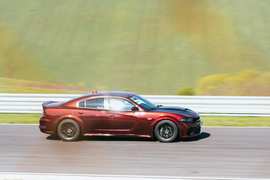
Case Study: The Cost of Ignoring Aerodynamics
I once advised a client who purchased a modified supercar that sacrificed downforce for a “stanced” aesthetic. While it looked aggressive, the lack of underbody airflow management caused the car to become unstable at speeds over 120 mph. After a minor loss-of-traction incident, the repair costs—combined with the drop in resale value due to non-OEM modifications—resulted in a $85,000 net loss over just 14 months. He learned the hard way: supercar aerodynamics are not just for show; they are safety and financial stability features.
Mistakes to Avoid That Could Cost You Money
Ignoring the Wind Tunnel History: Never buy a high-performance car that hasn’t undergone extensive Computational Fluid Dynamics (CFD) and wind tunnel validation. Generic aftermarket aero kits usually increase drag without providing the necessary downforce, effectively ruining the vehicle’s handling.
Neglecting Active System Calibration: If your car features active aero, have the sensors calibrated annually. If these systems fail, you aren’t just losing performance; you’re driving an unbalanced machine.
Overestimating Resale Potential: Not every “limited edition” with a massive wing is a goldmine. Check the history of the aerodynamic design. Was it a gimmick, or a revolutionary leap in the field?
Advanced Tools: The 2026 Landscape
Modern engineering has moved beyond the simple wind tunnel. Today, supercar aerodynamics are perfected using a “Digital Twin” approach. Engineers create a virtual replica of the car, running millions of simulations before a physical prototype is even cast.
CFD (Computational Fluid Dynamics): This allows engineers to see how air moves through the engine bay to cool high-performance radiators, a crucial factor in avoiding overheating during track days.
Active Aerodynamics: By 2026, we are seeing “morphing” bodywork. Unlike the clunky spoilers of the past, modern systems use shape-memory alloys to adjust the car’s profile at a microscopic level, minimizing turbulence in real-time.
The Bottom Line: Moving Forward
The science behind these machines is as complex as the financial portfolios used to acquire them. Whether you are looking at home loans for a garage expansion to house your collection or researching the best real estate investment to diversify your wealth alongside your automotive assets, clarity is key.
If you are currently in the market, don’t base your decision solely on the badge or the color. Focus on the engineering heritage. Look for vehicles where the aerodynamics are honest, functional, and verified by professional racing history.

Are you ready to optimize your garage or looking for a deeper breakdown of current market performance? Compare your options with our exclusive 2026 luxury vehicle valuation tool or reach out to our desk for expert guidance on navigating the current high-performance market.