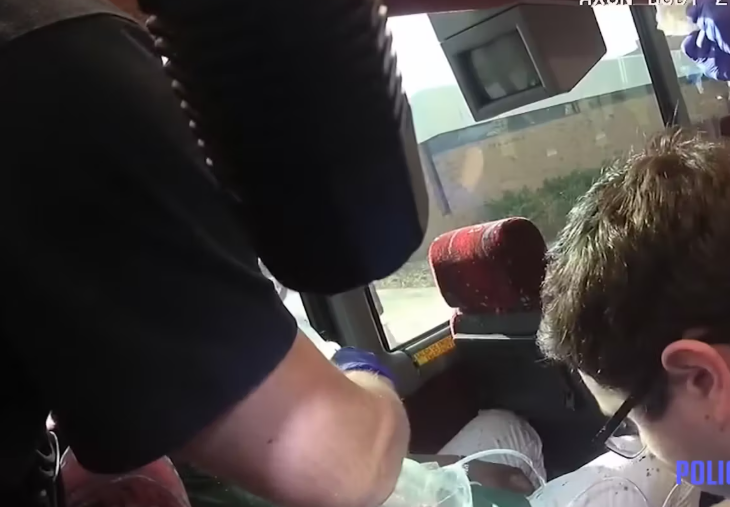
The Unfiltered Lens: Decoding the Impact of US Police Bodycam Footage on Modern Law Enforcement
As someone who has navigated the complex terrain of public safety technology and policy for over a decade, I’ve witnessed firsthand the transformative power of the seemingly simple body-worn camera. What began as a niche tool for specialized units has evolved into an indispensable component of the American criminal justice system, fundamentally reshaping public perception, officer conduct, and the very definition of accountability. Far beyond mere surveillance, US police bodycam footage has become a critical nexus where public trust, legal precedent, and the gritty realities of law enforcement intersect.
The Magnetic Allure of Raw Reality: Why We Can’t Look Away
For many, the first encounter with police operations wasn’t through a nightly news report but through the grainy, often chaotic lens of a bodycam. Shows like COPS introduced a sanitized, producer-edited version of law enforcement, but the digital age brought unfiltered reality directly to our screens. Why do these often shaky, sometimes terrifying clips from US police bodycam footage captivate tens of millions across platforms like YouTube and TikTok? It’s not about Hollywood production values; it’s about authenticity, the raw, unscripted drama of life-or-death situations playing out in real-time.
From a seemingly routine traffic stop—often escalating into a complex DUI investigation or a high-stakes search for illicit substances—to the visceral intensity of a high-speed pursuit spanning multiple jurisdictions, viewers are offered an unprecedented, fly-on-the-wall perspective. This isn’t just about watching an arrest; it’s an immersive dive into the volatile dynamic between order and chaos, discipline and desperation. The emotional resonance is profound: the sudden adrenaline spike as an officer confronts a suspect, the tension of a standoff, or the meticulous de-escalation tactics employed in a mental health crisis. These candid moments provide a window into the daily high-wire act performed by officers, generating a unique blend of fascination, education, and at times, intense scrutiny. This unvarnished glimpse into police work is a powerful driver for engagement, fostering a dialogue about law enforcement transparency and the very essence of justice.
From Analog Edits to Digital Evidence: The Bodycam Era Revolution
The shift from 1990s television crews chasing patrol cars to every officer wearing a camera represents a seismic technological and cultural change in policing. The grainy, hand-held camcorder footage from a chase vehicle in COPS was entertainment; today’s US police bodycam footage is evidentiary gold. Body-worn video (BWV) systems are no longer an optional accessory; they are a mandatory piece of equipment for officers in virtually every major police department across the United States, from the Los Angeles Police Department (LAPD) to the New York Police Department (NYPD) and countless sheriff’s departments in Florida and beyond. This widespread adoption has fundamentally transformed how law enforcement agencies approach accountability and evidence collection.
This technological evolution transcends mere recording. It’s about creating an indisputable record that serves multiple critical functions within the criminal justice system. For prosecutors, police body camera footage provides irrefutable evidence, clarifying ambiguities in witness testimonies and strengthening cases. For defense attorneys, it offers crucial material for discovery and can uncover potential procedural errors or excessive force claims, directly impacting police legal defense strategies. More broadly, it has shifted the narrative around officer-involved shootings (OIS) and use-of-force incidents, moving discussions from hearsay and subjective accounts to objective visual and auditory data. The audible tension in an officer’s voice, the decisive command to “Drop the weapon!”, the split-second decisions made under duress—these are no longer just recollections but digitally preserved moments, shaping public trust in policing and driving the discourse on police reform. This rich database of digital evidence management is invaluable, creating a resource no Hollywood script could ever replicate, offering unparalleled insight into the realities of public safety.
Navigating the Quagmire: Sovereign Citizens and the Test of Legal Acumen
Among the most compelling and, at times, infuriating content within the realm of US police bodycam footage are encounters with individuals identifying as “Sovereign Citizens.” These groups subscribe to a fringe belief system asserting that they are exempt from most US laws, including traffic regulations, taxation, and even criminal statutes. Their interactions with law enforcement often showcase a unique blend of legal misinterpretations and defiant challenges to authority, making for viral content.
I’ve analyzed countless hours of such footage. Picture this: an officer pulls over a vehicle with no license plate, only to be met by a driver brandishing pseudo-legal documents, citing arcane interpretations of admiralty law, or proclaiming their “right to travel” freely without government interference. These encounters, while often frustrating for officers, highlight a critical aspect of modern policing: the need for deep legal understanding and exceptional de-escalation skills. Officers must navigate a complex web of Fourth Amendment rights, probable cause, and the subtle art of maintaining control without resorting to immediate force. The frequent outcome—a smashed window followed by a forceful extraction of a non-compliant suspect—underscores the limits of such ideologies within the established legal framework of the United States. These videos are not just entertainment; they serve as informal legal education, illustrating that in a society governed by the rule of law, rights invariably come with responsibilities. For law enforcement consulting and police training programs, these scenarios provide invaluable real-world examples for preparing officers for the unique challenges posed by these encounters.
Behind the Badge: The Invisible Pressures of Public Service
While US police bodycam footage often spotlights the dramatic apprehension of criminals, it rarely captures the profound psychological and professional pressures officers face in the aftermath of critical incidents. Every decision, particularly those involving the use of force, is subjected to intense scrutiny. An officer pulling the trigger, even in clear self-defense, initiates a grueling, months-long investigation by Internal Affairs units, a process that can be emotionally and professionally devastating.
Officer-involved shootings (OIS) are perpetual flashpoints for media attention, public protests, and calls for police reform. A decision made in a fraction of a second, potentially saving lives, can simultaneously trigger widespread condemnation and civic unrest if perceived as unjustified. This hyper-scrutiny is a double-edged sword: it demands accountability but also places immense stress on officers who must constantly weigh public perception against immediate threat assessment. This is precisely why analytical channels by industry experts and former law enforcement officers gain significant traction. They provide crucial context, breaking down complex scenarios frame-by-frame, helping the public understand the intricate legal, tactical, and psychological factors that influence officer actions in high-stress environments. Managing risk management for police departments extends far beyond preventing incidents; it includes supporting the mental well-being of officers who carry the weight of these critical decisions long after the camera stops rolling.
The Silent Sentinels: Celebrating the Indispensable K9 Units
No discussion of dynamic policing is complete without acknowledging the invaluable contributions of K9 units. These highly trained “four-legged officers,” primarily German Shepherds and Belgian Malinois, are much more than companions; they are an indispensable tactical asset, striking fear into the hearts of fleeing suspects and enhancing officer safety across countless scenarios.
The command, “Release the K9!”, often marks the final, decisive step when all de-escalation efforts and verbal commands have failed. US police bodycam footage frequently captures the raw power and discipline of these incredible animals as they track suspects through dense brush, locate hidden contraband, or subdue armed individuals. Their ability to quickly neutralize threats, often preventing a more dangerous confrontation for human officers, is nothing short of heroic. These clips serve as powerful testimonials to the rigorous training undergone by both the K9 and their human handler, showcasing an unparalleled bond and an unwavering commitment to public safety. Their bravery and absolute adherence to command earn them immense admiration, highlighting why K9 units remain a vital component of any robust law enforcement agency’s operational capabilities.
Forecasting Tomorrow: AI, Data Analytics, and the Future of Police Operations
Looking ahead to 2025 and beyond, the influence of technology on law enforcement, particularly in processing and interpreting US police bodycam footage, is set to deepen dramatically. We are on the cusp of an era where Artificial Intelligence (AI) and advanced data analytics will revolutionize how police departments operate, from evidence management to predictive policing and officer training.
Next-generation tools, incorporating machine learning algorithms, are already emerging. These aren’t science fiction; they are practical applications like automated video redaction software, which can blur faces of innocent bystanders or minors while preserving essential evidentiary details. AI can rapidly sift through thousands of hours of bodycam footage, identifying key events, transcribing dialogue, and even flagging potential policy violations or commendable officer actions for review. This significantly reduces the manual labor involved in digital evidence management, making the vast archives of police body camera footage more accessible and actionable. Imagine AI that can analyze bullet trajectories, clarify obscured faces through advanced imaging, or compile extensive incident reports from disparate video sources. Such innovation promises to enhance law enforcement transparency by ensuring faster, more comprehensive reviews of incidents.
However, this technological leap isn’t without its challenges, particularly concerning privacy concerns, data security for law enforcement, and the ethical implementation of AI in policing. The potential for bias in algorithms and the need for robust oversight are critical considerations as agencies adopt these powerful tools. Yet, the promise remains: technology does not lie. It will increasingly serve as an unbiased arbiter, validating officer conduct when appropriate and holding agencies accountable when errors occur. For government contracts for security and public safety software, these advancements represent both immense opportunity and significant responsibility. The evolution of policy development for police must keep pace with these technological strides, ensuring that the benefits of AI in crime prediction and evidence processing are realized responsibly, maintaining public trust while enhancing the efficacy of our law enforcement professionals.
Conclusion: US Police Bodycam Footage as a Cultural Cornerstone and Catalyst for Change
The journey through the lens of US police bodycam footage reveals much more than just a series of arrests and confrontations. It has cemented itself as a profound cultural artifact, influencing global perceptions of American law enforcement and contributing significantly to the ongoing discourse on public safety, civil liberties, and police accountability. From the visceral engagement of viral clips to the intricate legal applications within the criminal justice system, bodycams have brought an unprecedented level of scrutiny and transparency to policing.
As an industry expert, I see the future of this technology not just in higher resolution or better storage solutions, but in its deeper integration into every facet of police operations—from training scenarios and de-escalation tactics to legal defense and prosecution support. It is a tool that empowers, protects, and informs, enabling both law enforcement and the public to engage with the realities of policing with greater clarity. These glimpses into the daily lives of officers, their challenges, their heroism, and their human fallibility, transcend national borders, offering invaluable insights into societal dynamics and the persistent pursuit of justice.
The conversation around law enforcement transparency, police reform, and community policing will continue to evolve, and US police bodycam footage will remain at its heart, a powerful testament to the adage that seeing is believing.
To truly understand the multifaceted impact of body-worn camera technology on contemporary law enforcement and how it shapes the future of public safety, we invite you to explore further insights and resources on advanced police technology and policy development. Connect with us to learn how your organization can leverage these evolving insights for enhanced accountability and operational excellence.