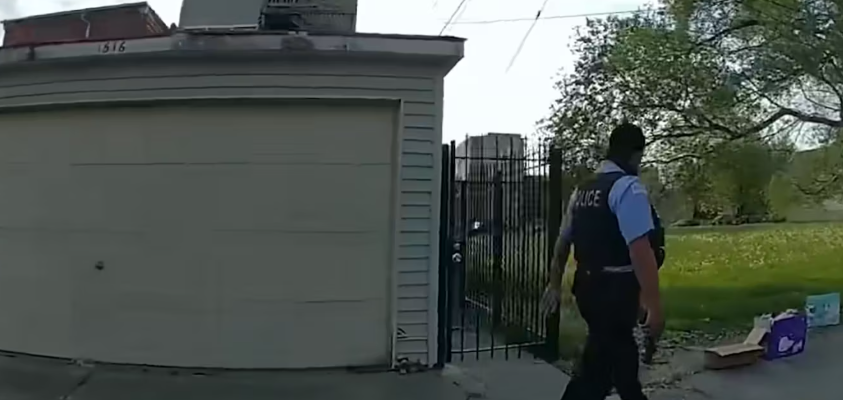
The Unfiltered Lens: A Decade in the Trenches with Police Bodycams
For an industry veteran like myself, with over a decade immersed in law enforcement technology and strategy, the evolution of policing captured through wearable cameras has been nothing short of transformative. From the nascent days of experimental programs to the ubiquitous presence of police bodycams on uniforms across America, these devices have reshaped public perception, internal accountability, and the very fabric of criminal justice. This isn’t just about recording; it’s about re-contextualizing the intricate dance between authority and the citizenry, offering an unprecedented window into the high-stakes world of frontline law enforcement.
The allure of raw, unedited footage from police bodycams is undeniable. Forget the highly produced, dramatized narratives of traditional crime shows; what resonates with millions online—from YouTube channels dissecting tactical maneuvers to TikTok compilations of citizen interactions—is the raw, unscripted reality. This isn’t entertainment in the conventional sense; it’s a visceral encounter with truth, often uncomfortable, always compelling. Each frame, sometimes shaky and grainy, documents real-time decisions, split-second judgments, and the unpredictable nature of police work, from routine traffic stops that escalate unexpectedly to critical incidents demanding immediate, decisive action. This unfiltered perspective has democratized understanding, allowing a global audience to witness the complex dynamics that define modern policing.
The Paradigm Shift: From “COPS” to Critical Digital Evidence
The early 1990s introduced a generation to “COPS,” a groundbreaking television series that brought ride-alongs into living rooms. Filmed by dedicated camera crews, these segments offered a glimpse into police operations, albeit through a mediated lens. While impactful, that era’s surveillance technology was limited, presenting carefully curated viewpoints. Fast forward to today, and the ubiquitous police bodycams have orchestrated a complete paradigm shift. We’ve moved beyond mere entertainment to an era where the camera is not just a recording device but a primary source of legal evidence and a tool for institutional transparency.
In my experience, the widespread adoption of police bodycams by major metropolitan police departments like the LAPD and NYPD, alongside numerous state and county sheriff’s offices across the United States, marks a critical juncture. These aren’t optional accessories; they are often mandatory equipment, creating an invaluable archive of real-world interactions. This digital repository, far exceeding anything Hollywood could fabricate, captures the palpable tension in an officer’s voice, the urgent commands (“Drop the weapon!”), and the split-second decisions made under immense pressure. The footage becomes an objective witness, not only documenting arrests and confrontations but also capturing critical details that inform post-incident reviews, training, and legal proceedings. The strategic imperative for robust digital evidence management software (DEMS) to handle the immense volume of data generated by these cameras has become a top priority for agencies nationwide. We’re talking petabytes of data that require secure storage, efficient retrieval, and stringent chain-of-custody protocols, making cloud storage for law enforcement data a critical component of any modern agency’s IT infrastructure.
Navigating the Fringes: Encounters with “Sovereign Citizens” and Other Challenges
One recurring theme that captivates audiences, often making for some of the most viral police bodycam footage, involves interactions with individuals who espouse “Sovereign Citizen” ideologies. These encounters often highlight a profound disconnect between legal authority and personal belief systems. From an operational standpoint, these situations present unique challenges for officers, requiring patience, adherence to protocol, and often, a swift but lawful resolution when rhetoric fails.
As an expert in law enforcement operations, I’ve observed countless incidents where drivers, operating without licenses or proper registration, confront officers with lengthy, often circular arguments about “traveling, not driving” or claims that “federal laws don’t apply” to them. While often entertaining to an external audience, these interactions can quickly escalate. The inevitable “crash”—the sound of a window being breached, followed by the suspect’s removal—serves as a stark, albeit dramatic, reminder of the boundaries of legal authority in the United States. These clips, far from merely being amusing, underscore fundamental principles of American jurisprudence: rights come with responsibilities, and while individual liberties are fiercely protected, they are not absolute and do not exempt citizens from established laws. The consistent documentation provided by police bodycams in these scenarios is invaluable for validating officer actions and educating the public on legal realities. It also highlights the need for specialized de-escalation training programs for officers to manage these potentially volatile verbal confrontations before they necessitate physical intervention.
The Unseen Burden: Psychological Tolls and Intense Scrutiny
Beyond the overt confrontations captured by police bodycams, there lies a less visible, yet profound, aspect of police work: the immense psychological burden and relentless scrutiny officers face. When the public views an officer subduing a suspect, they rarely see the aftermath—the months of internal investigations, the media storms, and the deep personal toll. Every use of force, particularly an officer-involved shooting (OIS), triggers an exhaustive review by Internal Affairs and can become the focal point of public protests and intense media attention.
From a risk management perspective, every decision an officer makes, especially those involving the use of deadly force, is dissected frame by frame. A correct decision can save lives; a perceived misstep, however minor, can ignite widespread unrest and permanently alter an officer’s career and mental well-being. This is where expert analysis from platforms dedicated to police activity becomes crucial. These resources, often featuring former law enforcement professionals, provide context, explain tactical decisions, and help bridge the understanding gap between police procedures and public perception. The data collected by police bodycams is fundamental to these investigations, serving as unbiased evidence in both exonerating officers and holding them accountable. Agencies are increasingly investing in comprehensive police accountability software and risk management for police departments to systematically analyze bodycam footage, identify patterns, and implement proactive training to mitigate future incidents and reduce liability. This is an area where robust law enforcement technology procurement decisions directly impact an agency’s ability to navigate complex legal and public relations challenges.
The Four-Legged Protectors: The Indispensable K9 Units
No discussion of frontline policing, particularly as depicted in police bodycam footage, would be complete without acknowledging the invaluable contribution of K9 units. These highly trained police dogs, often Belgian Malinois or German Shepherds, are not just partners; they are formidable assets, capable of tracking suspects, detecting contraband, and protecting officers. They represent a specialized application of public safety technology that combines animal instinct with rigorous training.
“Release the K9” is often the last resort when verbal commands and other less-lethal options have been exhausted. The footage of a K9 apprehending a fleeing or armed suspect is consistently among the most awe-inspiring. These segments demonstrate the incredible courage, discipline, and effectiveness of these four-legged officers, showcasing their critical role in ensuring officer and public safety, especially in challenging environments like wooded areas or darkened buildings. Their deployment, carefully documented by police bodycams, is a testament to an integrated approach to law enforcement, where specialized units provide vital support in dangerous situations. These highly effective teams underscore the diverse tools and strategies available to modern law enforcement agencies, all of which benefit from the objective record provided by officer-worn cameras.
The Future is Now: AI, Analytics, and Enhanced Transparency
Looking ahead to 2025 and beyond, the integration of Artificial Intelligence (AI) and advanced analytics is revolutionizing how we process and leverage police bodycam footage. Tools like sophisticated video analytics platforms are moving beyond simple recording to intelligent analysis. They can clarify obscured faces, track bullet trajectories, identify objects, and even transcribe audio, transforming hours of raw footage into actionable intelligence or concise incident summaries. This represents a significant leap forward in AI video analytics for law enforcement.
AI doesn’t lie; it processes data. This inherent objectivity is paramount for enhancing transparency and trust in policing. If an officer errs, the camera provides irrefutable evidence. If an officer’s actions are justified, the camera serves as an ironclad defense, protecting them from unfounded accusations. Moreover, this technology is central to developing more effective police training programs, using real-world scenarios captured by police bodycams for simulation and review. The ability to quickly analyze vast datasets of footage also informs policy adjustments, identifies training gaps, and proactively addresses potential issues before they escalate. This technological evolution allows for deeper insights into officer performance, community interactions, and the overall effectiveness of police strategies. The future of legal tech solutions for criminal justice is undeniably intertwined with these advancements, offering new avenues for evidence discovery, faster case processing, and greater fairness across the board. We’re seeing a growing demand for specialized forensic video analysis services to unpack complex incidents, further highlighting the criticality of high-quality bodycam footage and the AI tools that enhance its utility.
Police Bodycams: A Cultural Icon and Catalyst for Change
In conclusion, police bodycams are more than just pieces of equipment; they have become a potent symbol in contemporary global culture. Through social media platforms, these devices have propelled American policing into a shared public discourse, transcending geographical boundaries. Viewers worldwide, whether in bustling cities or remote communities, gain unprecedented insights into law enforcement procedures, communication strategies, and the societal fabric of the United States. This exposure fosters a unique form of civic education, demonstrating the realities and complexities of maintaining public order.
The deployment of police bodycams has fundamentally altered the landscape of law enforcement, driving conversations around accountability, public safety, and the use of force. They are critical for achieving transparency in policing and building community trust, which are foundational to effective crime prevention and criminal justice. As the technology continues to advance, fueled by investments in law enforcement technology solutions and public safety grant funding, we can expect police bodycams to play an even more central role in shaping the future of police-community relations and the administration of justice. The ongoing dialogue surrounding police reform is heavily informed by the visual record these devices provide, pushing agencies toward continuous improvement and fostering greater understanding between officers and the communities they serve.
Ready to Navigate the Future of Law Enforcement Technology?
The insights gained from a decade in this evolving landscape are invaluable. If your agency is seeking to optimize its police bodycam program, integrate advanced digital evidence management software, or explore cutting-edge AI video analytics for law enforcement, our expertise can guide you. Contact us today to discuss how tailored technological solutions and strategic consulting can enhance your operations, ensure compliance, and strengthen community relations in this dynamic era of policing.