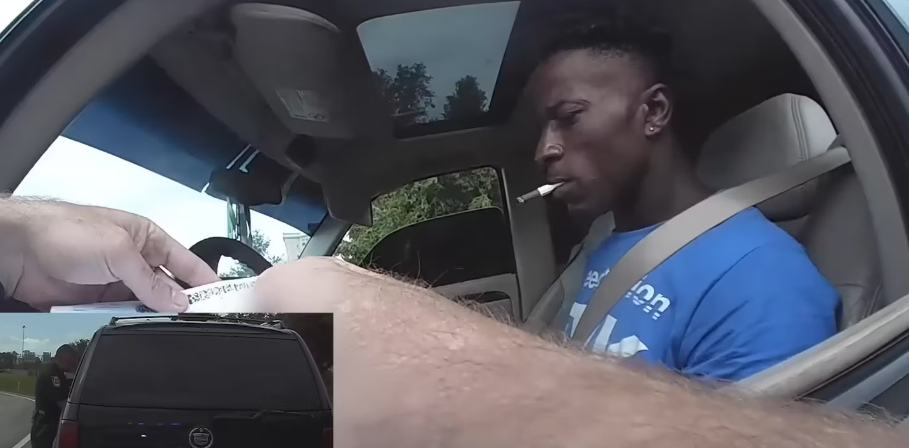
The Lens of Justice: Unpacking the Transformative Impact of US Police Bodycams
From the raw, unscripted drama unfolding on countless screens, a new paradigm of law enforcement and public engagement has emerged. The footage captured by US police bodycams has transcended mere documentation, becoming a cornerstone of accountability, a critical training tool, and, undeniably, a compelling cultural phenomenon. As someone who has navigated the intricate landscape of public safety technology and operational policy for over a decade, I’ve witnessed firsthand the profound shift these devices have instigated, challenging preconceptions and reshaping the dialogue surrounding policing in America.
The Magnetic Pull of US Police Bodycams: Beyond the Viral Moment
Why do grainy, often chaotic clips from police body camera footage captivate millions across digital platforms? It’s not the cinematic quality; it’s the unfiltered reality. Unlike staged dramas, these recordings thrust viewers into the immediacy of critical incidents, offering an unparalleled glimpse into the split-second decisions and inherent dangers faced by officers. What began as a tool for internal review has evolved into a global spectacle, where audiences witness everything from routine traffic stops escalating into high-stakes pursuits to the tense negotiations required in domestic disturbances. This real-world exposure showcases the unpredictable nature of police work, an endless series of unscripted encounters that demand tactical prowess and psychological resilience.
The allure lies in authenticity. Each frame of US police bodycams footage offers a unique narrative – a confrontation between order and chaos, law and defiance. This visceral experience fosters a deeper, albeit often unsettling, understanding of the daily challenges confronting law enforcement personnel. For departments grappling with public trust, the transparency offered by these recordings has become indispensable, even as it opens them to intense scrutiny.
From Reality TV to Digital Evidence: The Evolution of Police Bodycams
The journey from the handheld camera crews of “COPS” in the 1990s to the ubiquitous presence of body-worn cameras (BWCs) is a testament to technological advancement and a societal demand for transparency. Initially, shows like “COPS” provided a curated, albeit groundbreaking, look into police operations. However, the advent of police bodycams fundamentally altered this dynamic. It shifted from entertainment to essential legal evidence.
Today, in major metropolitan areas like Los Angeles (LAPD), New York City (NYPD), and numerous sheriff’s departments across Florida, the deployment of US police bodycams is not merely encouraged; it’s mandated. This strategic implementation has created an unprecedented repository of real-world interactions, far more exhaustive and authentic than any Hollywood production could ever conceive. The subtle tremor in an officer’s voice, the urgent command to “Drop the weapon!”, the rapid assessment of a fluid situation – all are now recorded, offering invaluable insights for internal investigations, judicial proceedings, and public discourse.
The move towards widespread body-worn camera programs wasn’t without its hurdles. Early adoption faced challenges related to data storage, privacy concerns, the cost of police equipment procurement, and the development of clear use-of-force policies. Yet, the benefits, particularly in bolstering accountability and providing objective accounts of incidents, have largely outweighed these obstacles. The technology has matured, offering higher resolution, improved low-light capabilities, and integrated GPS, transforming these devices into sophisticated law enforcement technology solutions crucial for modern policing.
Navigating Legal Quagmires: Confronting Sovereign Citizens and Procedural Finesse
Among the most captivating and often perplexing police body camera footage are encounters with individuals identifying as “Sovereign Citizens.” These interactions highlight a unique intersection of constitutional rights, legal interpretation, and operational procedure. Sovereign Citizens fundamentally believe that established federal and state laws do not apply to them, often citing obscure legal theories or interpretations of common law.
From my experience, these encounters, frequently initiated by seemingly minor infractions like driving without a license or proper vehicle registration, quickly escalate into prolonged, jargon-laden debates. The US police bodycams capture the entire exchange, from the officer’s initial attempts at de-escalation to the suspect’s lengthy disquisitions on “travel rights” or “corporate personhood.” The eventual outcome, often involving forced vehicle entry and physical arrest, serves as a stark reminder of the rule of law. These clips are more than just viral content; they are de facto public education tools, illustrating that rights and freedoms are inextricably linked with responsibilities and adherence to societal legal frameworks. For law enforcement, understanding these often-complex ideologies is crucial, requiring specific training on de-escalation tactics and legal precedents to manage these unique, high-tension situations effectively, often necessitating expert criminal defense attorney consultation in the aftermath.
The Unseen Burden: Psychological Toll and Accountability with Police Bodycams
While US police bodycams offer unprecedented transparency, they also cast an illuminating light on the immense psychological pressures faced by officers. The public often sees only the decisive moments of apprehension or intervention, rarely acknowledging the lingering aftermath. An officer-involved shooting (OIS), even if legally justified and executed in self-defense, triggers months of rigorous internal investigations by units like Internal Affairs.
These incidents are invariably scrutinized by media, advocacy groups, and the public, often sparking widespread protests and calls for reform. A correct decision made in a fraction of a second can save lives, but even a minor procedural misstep or a perceived overreach can ignite city-wide unrest. This is precisely why analytical channels and expert commentary are so vital. They provide essential context, dissecting the circumstances captured by police body camera footage to help the public understand the complex operational environment and split-second judgments officers are forced to make under duress.
The constant awareness of being recorded, coupled with the potential for every action to be meticulously reviewed, introduces an additional layer of stress. While it undeniably enhances police accountability, it also places an immense psychological burden on officers, contributing to issues like PTSD and burnout. Departments are increasingly investing in mental health resources and robust peer support programs to address these challenges, recognizing that the human element behind the badge is as critical as the technology they wear. For those involved in such incidents, bodycam legal implications necessitate thorough legal support and detailed analysis of every frame.
Four-Legged Protectors: The Indispensable Role of K9 Units in Modern Policing
No comprehensive discussion of modern policing, especially as depicted through US police bodycams, is complete without acknowledging the extraordinary contributions of K9 units. Breeds like Belgian Malinois and German Shepherds are not just pets; they are highly trained, disciplined members of the force, capable of tracking suspects, detecting contraband, and protecting their handlers.
Footage of K9s in action – whether tracking a fleeing suspect through dense brush or apprehending an armed individual when verbal commands have failed – is consistently among the most compelling and often dramatic content captured by police body camera footage. The command “Release the K9!” signifies a critical escalation, often representing the final non-lethal option before more severe force might be considered. These videos not only showcase the animals’ incredible courage and unwavering loyalty but also highlight the profound bond between K9 and handler. They underscore the effectiveness of these specialized units as vital law enforcement technology solutions in specific tactical situations, significantly reducing risks to human officers. The training and police equipment procurement for K9 units represent substantial investments, but their efficacy in de-escalation and apprehension makes them invaluable assets, reducing the need for direct officer engagement in hazardous scenarios.
The AI Revolution: Predictive Analytics, Digital Forensics, and the Future of US Police Bodycams
The future of US police bodycams and the broader landscape of law enforcement is being profoundly shaped by artificial intelligence and advanced data analytics. Tools such as Lighthouse for video processing or specialized AI platforms are revolutionizing how recorded data is managed, analyzed, and utilized. These technologies can clarify blurred faces, trace bullet trajectories, and even rapidly synthesize thousands of hours of raw footage into concise, actionable summaries for investigators or public release.
This integration of AI is moving policing towards a new era of proactive and evidence-based decision-making. AI-driven police data analytics can identify patterns, predict high-crime areas, and even flag potential misconduct, offering invaluable support for resource allocation and tactical planning. The implications for digital forensics services are transformative, allowing investigators to extract critical intelligence from video evidence with unprecedented speed and accuracy. From automated transcription of dialogues to object detection and facial recognition (though the latter comes with significant ethical and privacy considerations), AI promises to make the data captured by body-worn cameras (BWCs) exponentially more valuable.
The fundamental premise remains: technology does not lie. When properly deployed and ethically governed, police body camera footage, augmented by AI, can be the ultimate arbiter of truth. It provides an objective record that can both hold officers accountable for misconduct and unequivocally defend them against unfounded allegations. This ongoing evolution in AI surveillance solutions and legal tech for law enforcement promises to enhance police transparency and refine the criminal justice system’s pursuit of equitable outcomes, though careful consideration of civil liberties and data privacy must always remain paramount in the development and deployment of these advanced systems. Furthermore, integrating these sophisticated compliance software for police ensures adherence to evolving regulatory frameworks.
Conclusion: US Police Bodycams as a Cultural and Operational Keystone
The journey of US police bodycams from a departmental tool to a global cultural phenomenon underscores their multifaceted impact. They have become an iconic symbol of modern policing, deeply embedded in public discourse and understanding of law enforcement. For viewers worldwide, these recordings offer not just entertainment but a unique lens into American society, its legal frameworks, and the complex human interactions that define public safety.
From enhancing public trust in law enforcement through increased transparency to serving as an indispensable resource for training, risk management in policing, and legal proceedings, body-worn camera programs are no longer a novelty but an essential component of 21st-century policing. Their continued evolution, driven by technological advancements like AI, promises even greater accountability, efficiency, and insight into the challenging world of law enforcement. The debate surrounding their use, data handling, and privacy implications will continue to evolve, but one truth remains clear: the lens of justice, now worn by officers, has irrevocably changed the landscape of policing.
For organizations looking to optimize their body-worn camera programs, navigate the complexities of digital evidence management, or integrate cutting-edge law enforcement technology solutions to enhance operational efficiency and public trust, we invite you to connect with our team. Our decade of expertise can help you craft strategies that align with the latest industry trends and best practices.