The Unfiltered Lens: Navigating Law Enforcement Transparency Through Police Body Camera Footage
For over a decade, my work has been at the intersection of public safety, emerging technology, and digital evidence management. I’ve witnessed firsthand the transformative impact of police body camera footage on law enforcement agencies across the United States. What began as a nascent technology, often met with skepticism, has evolved into an indispensable tool reshaping everything from community relations to criminal justice proceedings. The raw, unscripted reality captured by these devices offers an unparalleled window into the complex, often volatile, world of policing, drawing millions of viewers and sparking crucial conversations.
The Irresistible Pull of Real-World Policing: Why We’re Captivated by Bodycam Footage
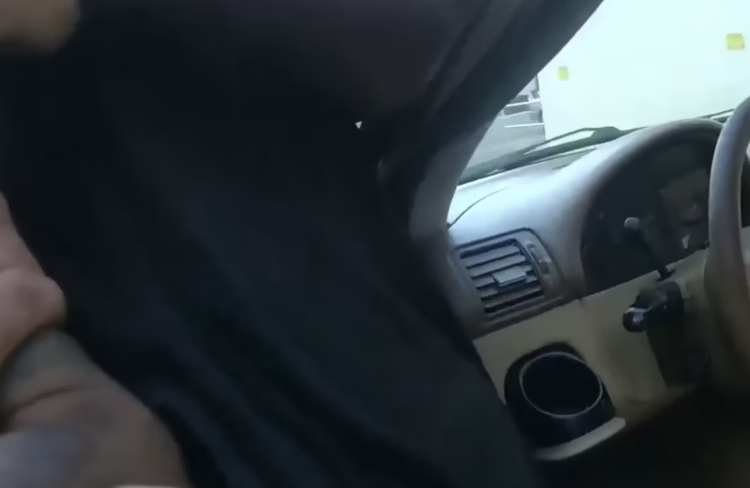
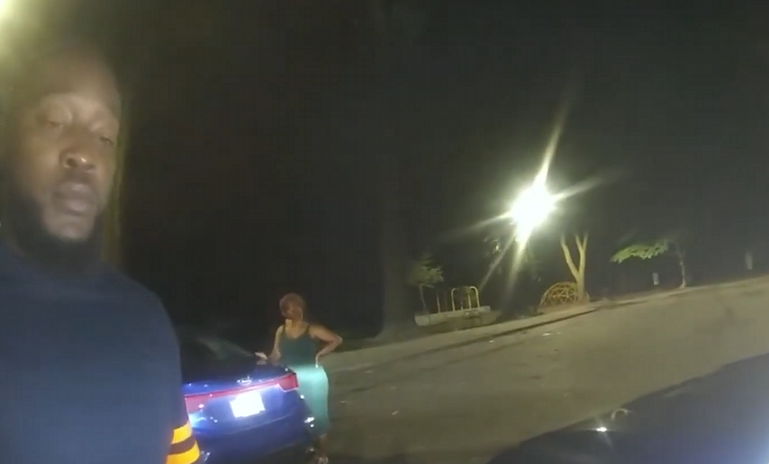
Think about the surge in popularity of unedited police body camera footage on platforms like YouTube and TikTok. It’s not about cinematic flair or intricate plotlines; it’s the raw, unadulterated truth that captivates us. From seemingly routine traffic stops for suspected DUIs to high-stakes pursuits spanning multiple states, or intense standoffs in dimly lit alleys, this footage provides an unfiltered glimpse into the daily challenges faced by officers. We aren’t merely witnessing an arrest; we’re observing the delicate balance between order and chaos, the razor-thin margin separating life and death decisions.
This fascination stems from several psychological factors. There’s an inherent human curiosity about danger and conflict, a desire to understand what happens when rules are broken, and a vicarious thrill in experiencing intense situations from a safe distance. Moreover, the immediacy and authenticity of police body camera footage foster a sense of participation, making viewers feel like eyewitnesses to history unfolding. It demystifies the policing process, allowing the public to analyze situations, weigh judgments, and gain a deeper appreciation for the split-second decisions law enforcement officers must make under duress. This engagement fuels public discourse and becomes a vital component of community policing initiatives.
From Analog Reality Shows to Digital Evidence: The Evolution of Police Documentation
The journey from the grainy, third-person perspectives of early 90s television shows like “COPS” to the immersive, first-person view of police body camera footage marks a profound shift in how law enforcement operations are documented and perceived. In its infancy, “COPS” offered a curated, albeit groundbreaking, look at policing, with cameramen shadowing officers. Today, the body-worn camera (BWC) has fundamentally altered the game.
No longer just a source of entertainment, police body camera footage serves as primary legal evidence. The vast majority of major metropolitan police departments in the U.S., from the LAPD in Los Angeles to the NYPD in New York, and countless Sheriff’s offices across states like Florida, mandate their officers wear these devices. This policy shift has created an invaluable archive of real-time interactions, a “digital treasure” that no Hollywood production could accurately replicate. The subtle nuances—an officer’s strained breath, the authoritative “Drop the weapon!” command, the microseconds between a threat identified and a necessary response—are all preserved. This evidentiary shift is critical for law enforcement accountability and significantly impacts the outcome of criminal investigations and trials. Modern police departments are actively seeking digital evidence management systems that can handle the massive influx of this data, ensuring chain of custody and ease of access for legal proceedings, highlighting a significant area for public safety technology investments.
Navigating the Legal Labyrinth: Bodycams, Rights, and the Sovereign Citizen Challenge
The introduction of police body camera footage hasn’t been without its complexities, particularly concerning legal ramifications and citizen rights. While it enhances transparency, it also raises questions about privacy, data storage, and the appropriate use of recorded material. One of the most “viral” categories of bodycam content involves interactions with individuals who identify as “Sovereign Citizens.” These individuals adhere to a fringe legal theory asserting their exemption from most U.S. laws.
These encounters often involve drivers operating vehicles without licenses or registration, who, upon being stopped, launch into lengthy, often incoherent, diatribes about their “right to travel” or “common law” interpretations. The typical outcome? A swift, decisive police action—a smashed window, a non-compliant individual being extracted from their vehicle—all meticulously captured on police body camera footage. These clips are more than just entertaining; they serve as an unintended public education tool, illustrating the fundamental principle that rights in the U.S. are inextricably linked with responsibilities and adherence to established legal frameworks. For police departments, managing these encounters, particularly when they escalate, necessitates robust training programs focusing on de-escalation tactics and legal precedents, which are often supported by insights gleaned from analyzing past police body camera footage. The legal implications extend to police misconduct litigation, where bodycam footage can either exonerate officers or provide irrefutable evidence of wrongdoing, making legal implications of body cameras a core concern for police administration and law enforcement training solutions.
The Human Cost of the Badge: Pressures, Perceptions, and Officer-Involved Shootings
Behind every badge lies an immense, often invisible, psychological burden. While the public often sees only the critical incident—the apprehension of a suspect or the use of force—few fully grasp the profound psychological aftermath for the officers involved. Every trigger pull, even in justified self-defense, triggers months of rigorous investigation by internal affairs units. These internal reviews are exhaustive, often leading to significant stress and scrutiny for the officers involved.
Officer-involved shootings (OIS) remain one of the most contentious aspects of policing, frequently becoming catalysts for intense media scrutiny, public demonstrations, and calls for widespread police reform. A justified decision under extreme duress can save lives, yet a perceived misstep can ignite city-wide unrest. This is precisely why analytical channels, such as those run by retired law enforcement professionals, are so vital. They break down police body camera footage frame-by-frame, providing context, explaining tactical decisions, and helping the public understand the complex circumstances that often dictate an officer’s actions in high-stress situations. This expert commentary is crucial for fostering public trust in policing and mitigating misinformation. The need for clear, unbiased analysis of use of force incidents has never been greater, and this is where sophisticated forensic video analysis tools, often employed with Axon body cameras or other leading body worn camera solutions, play a pivotal role in ensuring fairness and accuracy.
Beyond Human Patrol: The Indispensable Role of K9 Units
No discussion of modern policing would be complete without acknowledging the extraordinary contributions of K9 units. These highly trained canine officers—often breeds like Belgian Malinois or German Shepherds—are a formidable deterrent and an invaluable asset, particularly in tracking and apprehending suspects in challenging environments like dense brush or dark structures.
The command “Release the K9!” often signals the final escalation when all other verbal commands or less-lethal options have been exhausted. The visceral police body camera footage capturing these dogs in action, expertly subduing an armed or fleeing suspect, elicits widespread admiration for their unwavering courage, discipline, and the absolute trust they place in their human handlers. K9 deployments reduce risks to human officers, prevent extended pursuits, and often minimize the overall use of force required to resolve a dangerous situation. These animals are more than tools; they are integral members of the force, embodying loyalty and an unparalleled dedication to duty, with their actions often providing critical corroborating evidence in police department procurement of these specialized units and their ongoing training.
The Algorithmic Eye: AI, Data Analytics, and the Future of Police Evidence
The landscape of digital evidence management systems is rapidly evolving, driven by the exponential growth of police body camera footage and advancements in artificial intelligence in policing. Tools like Lighthouse, for instance, leverage AI to enhance video clarity, perform facial recognition, analyze ballistics trajectories, and even automate the redaction of sensitive information, streamlining a process that once consumed hundreds of man-hours. For content creators and analysts, AI can condense thousands of hours of raw footage into concise, actionable summaries.
This convergence of technology is not just about efficiency; it’s about transparency and irrefutable evidence. The technology doesn’t lie. If an officer errs, the camera provides objective proof. Conversely, if an officer’s actions are justified and within policy, the camera offers crucial protection against false accusations and biased narratives. The future promises even more sophisticated applications, from predictive analytics based on aggregated bodycam data to advanced pattern recognition for crime prevention. This embrace of police technology is transforming law enforcement accountability from a reactive process into a proactive system, supported by data-driven insights. It also plays a role in identifying areas for improved law enforcement training solutions and optimizing the deployment of resources, often funded through specific police department grants.
More Than Surveillance: Police Body Camera Footage as a Cultural Touchstone
Ultimately, law enforcement officers are more than just a functional arm of the state; they have become an undeniable part of global popular culture, largely amplified through social media platforms. From viewers in Vietnam to those across Europe and within every American city, police body camera footage offers an informal yet potent educational curriculum. It teaches us about de-escalation techniques, verbal judo, the intricacies of the American legal system, and the diverse societal challenges police confront daily.
The inherent drama will undoubtedly continue. High-speed chases will remain a pulse-pounding reality on our highways, and the quiet, unflinching lens of the body-worn camera will persist as the ultimate, unbiased witness, capturing every moment with unwavering fidelity. This ongoing digital narrative contributes significantly to our collective understanding of justice, responsibility, and the ever-present human element in policing.
Taking the Next Step Towards Enhanced Public Safety
The insights gleaned from police body camera footage are invaluable, not just for law enforcement but for every citizen invested in a safer, more transparent society. As we look ahead, the integration of advanced digital evidence management systems and cutting-edge artificial intelligence in policing will continue to refine our understanding of public safety.
If your agency or community is seeking to optimize its approach to law enforcement accountability, improve community policing initiatives through advanced police technology, or explore robust body worn camera solutions and forensic video analysis tools, we invite you to engage with experts in the field. Understanding the nuances of public safety technology investments and navigating the landscape of police department procurement can unlock significant opportunities to enhance operational efficiency, strengthen public trust, and ultimately, build a more secure future for all. Contact us today to discuss how tailored solutions can transform your approach to modern policing.