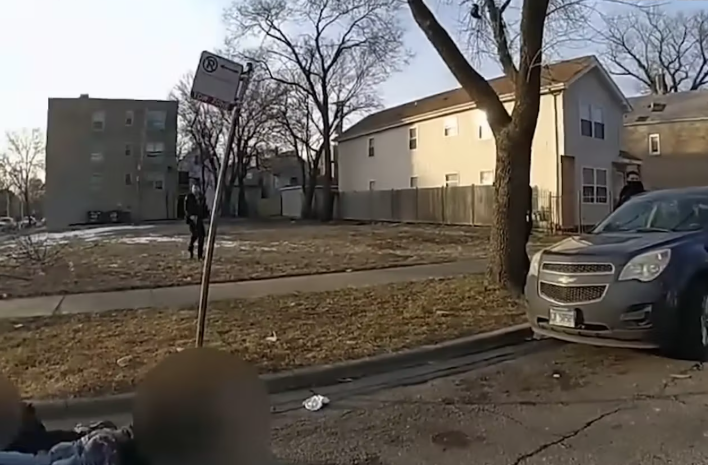
Behind the Lens: How Police Bodycam Footage is Reshaping Justice and Public Trust
As someone who has spent over a decade navigating the intricate landscape of law enforcement technology, policy, and public relations, I’ve witnessed firsthand a profound transformation in how we perceive and scrutinize police work. The seismic shift from grainy news footage to ubiquitous police bodycam footage has not merely altered media consumption; it has fundamentally reshaped our understanding of justice, accountability, and the delicate balance between public safety and individual liberties in the United States. This isn’t just about cameras; it’s about the democratization of information and the evolving social contract between communities and their protectors.
The Unscripted Drama: Why We’re Captivated by Real-Life Police Encounters
The allure of raw, unedited police bodycam footage is undeniable. For millions, platforms like YouTube and TikTok have become digital theaters for what I call “unscripted reality.” Unlike the carefully constructed narratives of traditional television shows like “COPS” – a relic of 90s broadcast television – bodycam clips offer an unfiltered, often visceral, perspective. There’s no predetermined plot, no retakes, just the raw immediacy of human interaction under pressure.
From seemingly routine traffic stops that escalate into high-stakes pursuits spanning multiple state lines, to critical incidents involving complex negotiations or rapid use-of-force decisions, the footage reveals the chaotic unpredictability of law enforcement. Viewers aren’t just observing an arrest; they are privy to the raw, often tense, confrontations between order and disorder. This voyeuristic fascination taps into our primal curiosity about high-stress situations and the inherent human drama that unfolds when rules are challenged and lives are on the line. The authenticity of police bodycam footage is its primary appeal, offering a window into moments that were once exclusively the domain of officers. This public access fosters a different kind of engagement, moving beyond mere entertainment to a deeper, albeit often vicarious, experience of the risks and realities faced by officers every day.
From Observer to Witness: The Technological Leap to Body Worn Cameras
The evolution of surveillance technology in policing has been nothing short of revolutionary. While “COPS” gave us a ground-level view via cameramen riding along, the advent of body worn cameras (BWCs) ushered in the “Bodycam Era,” fundamentally changing the evidentiary landscape. Today, for major departments like the Los Angeles Police Department (LAPD), the New York Police Department (NYPD), and numerous Sheriff’s offices across Florida and other states, mandating officers wear these devices isn’t just a policy; it’s a cornerstone of modern policing.
This isn’t entertainment; it’s critical legal evidence. Police bodycam footage serves as an objective record, capturing the officer’s perspective, often under extreme duress. It preserves crucial details – the exact words exchanged, the precise sequence of actions, the tone of voice, and the environmental context. This “treasure trove” of authentic content is something no Hollywood production could accurately replicate. It captures the officer’s strained breath, the sharp command to “Drop the gun!”, and the agonizing 1/10th-second decisions that separate life from death. From a criminal justice perspective, this footage is invaluable. It can exonerate officers facing false accusations, corroborate witness statements, and provide irrefutable evidence in court. For legal professionals and those involved in criminal defense, the availability of comprehensive police bodycam footage has transformed discovery processes and trial strategies, offering transparency that was previously unimaginable. It’s a vital tool for both prosecution and defense, ensuring a more accurate reconstruction of events.
Navigating Legal Labyrinths: The Sovereign Citizen Challenge and Other Contentious Encounters
One of the most compelling, and often perplexing, narratives emerging from police bodycam footage involves interactions with individuals who identify as “Sovereign Citizens.” These individuals adhere to a set of anti-government beliefs, asserting that common laws, including traffic regulations, taxation, and even criminal statutes, do not apply to them. Their encounters with law enforcement often provide some of the most widely shared and debated content online.
I’ve personally reviewed countless hours of such footage. A common scenario involves a driver operating without a license or proper registration, who, upon being pulled over, launches into a protracted monologue citing obscure legal interpretations or asserting “freedom to travel” rights. The typical outcome, often captured in high-definition through the officer’s lens, can be dramatic: a window breaking as officers are forced to gain entry, leading to the surprised apprehension of the suspect. These incidents serve not only as a peculiar form of public entertainment but also as stark lessons in American law: rights inherently come with responsibilities. For law enforcement agencies, these encounters present significant challenges, requiring officers to navigate complex legal arguments while maintaining control and ensuring public safety. The documentation provided by police bodycam footage in these situations is critical for subsequent legal proceedings and for training purposes, illustrating the practical application of constitutional law and the limits of individual interpretation when it impacts public order. Understanding the nuances of these interactions is key for anyone involved in risk management solutions for public entities or seeking to avoid situations that could lead to police misconduct lawsuit claims.
Beyond the Badge: The Unseen Burdens of Law Enforcement
While the public often sees the decisive actions of officers subduing suspects, what remains largely hidden are the profound psychological and emotional burdens they carry. Every time an officer uses force, even in self-defense, it triggers an extensive internal investigation by units like Internal Affairs, a process that can stretch for months and exert immense psychological pressure.
Officer-involved shootings (OIS) are particularly contentious, frequently becoming flashpoints for media scrutiny, community protests, and calls for police reform initiatives. A split-second decision, made under extreme duress, might save lives, but an unintended error, however minor, can ignite widespread civil unrest. This is precisely why analytical channels, such as PoliceActivity and Donut Operator, have become indispensable resources. They dissect police bodycam footage, offering expert commentary, tactical breakdowns, and contextual analysis that helps the public understand the rationale behind an officer’s actions in dynamic, life-threatening situations. These channels bridge the gap between street-level realities and public perception, fostering informed dialogue around complex incidents. The mental health consequences for officers following such critical incidents are significant, underscoring the urgent need for robust support systems and specialized counseling. The transparency provided by police bodycam footage also puts officers under an unprecedented microscope, highlighting the need for comprehensive law enforcement training [city] programs that address both tactical proficiency and psychological resilience. For departments, investing in data privacy solutions related to mental health records, while ensuring public accountability, becomes a delicate balancing act.
The K9 Unit: Four-Legged Guardians and Tactical Partners
No discussion of modern policing, especially as depicted in police bodycam footage, is complete without acknowledging the invaluable contribution of K9 units. These highly trained police dogs, predominantly Belgian Malinois and German Shepherds, are not just loyal companions; they are formidable tactical assets, often striking fear into the hearts of fleeing suspects.
The command “Release the K9!” frequently marks the culmination of efforts when verbal de-escalation and other less-lethal options have failed. Police bodycam footage capturing K9s apprehending armed suspects is consistently among the most compelling and awe-inspiring content. It showcases the dogs’ extraordinary courage, unwavering discipline, and innate ability to detect and neutralize threats in environments too dangerous or inaccessible for human officers. Their deployment in searching dense brush, tracking fugitives, or providing an added layer of security during high-risk operations is critical for officer safety and effective suspect apprehension. These four-legged heroes embody a unique blend of instinct and rigorous training, making them indispensable members of law enforcement teams. The ethical considerations surrounding K9 use are also important, and clear policies, often informed by police bodycam footage, ensure their deployment is justified and proportionate to the threat.
AI and the Future of Forensic Video Analysis in Law Enforcement
Looking towards 2025 and beyond, the intersection of artificial intelligence (AI) and police bodycam footage is poised to revolutionize how we process, analyze, and understand critical incidents. We are already witnessing the emergence of advanced tools, like Lighthouse and other sophisticated AI-driven video analytics platforms, that transcend basic recording capabilities.
These AI tools can rapidly clarify obscured faces, track bullet trajectories with forensic precision, and even synthesize hundreds of hours of raw footage into concise, actionable summaries for investigators or content creators. The power of technology here is undeniable: it doesn’t lie. AI enhances the transparency of law enforcement operations by providing objective analysis. If an officer makes an error, the camera, augmented by AI, can unequivocally demonstrate it. Conversely, if an officer’s actions are justified, the same technology can serve as an irrefutable shield, protecting them from unfounded allegations. For agencies, this means more efficient investigations, enhanced evidence collection, and improved training protocols. For the public, it promises greater trust and accountability within the criminal justice system. However, the deployment of such powerful technology also brings forth critical discussions around data privacy, potential biases in algorithms, and the ethical implications of omnipresent surveillance. Forensic video analysis powered by AI is not just about identifying criminals; it’s about building a clearer, more equitable narrative for justice, reducing instances of police misconduct lawsuit filings due to clearer evidence. Organizations providing law enforcement technology solutions are at the forefront of this evolution, often engaging in government contract bidding to implement these systems.
Conclusion: Police Bodycam Footage as a Global Cultural Phenomenon
The sheer volume and accessibility of police bodycam footage have propelled American law enforcement into a unique position as a global cultural icon. Beyond their functional role as protectors, police officers, through the lens of their cameras, have become unwitting protagonists in an ongoing, real-time drama that resonates across continents. Viewers from anywhere in the world, be it Vietnam or Venezuela, can observe critical incident management, de-escalation techniques, and the complex dynamics of American society.
This digital immersion offers profound educational value, providing insights into the nuances of the criminal justice system, the challenges of public safety, and the often-unseen pressures faced by those who wear the badge. It fuels conversations about police accountability, the efficacy of various body camera systems, and the future of community policing. As an industry expert, I see this transparency as a double-edged sword: it offers unprecedented scrutiny, demanding higher standards from law enforcement, but also provides an invaluable opportunity to educate the public and foster a more informed understanding of the vital, often dangerous, work police perform. The evolution of this digital narrative will continue to shape public discourse, influence policy decisions, and ultimately define the relationship between the police and the communities they serve.
In an era where every action can be recorded and analyzed, understanding the implications of police bodycam footage is paramount for policymakers, law enforcement professionals, legal practitioners, and engaged citizens alike. The future of policing is inextricably linked to this technology. To delve deeper into the strategic implementation of such technologies, or to consult on best practices for maximizing accountability and operational efficiency within your organization, I invite you to connect with our team. Let’s explore how informed insights and advanced law enforcement technology solutions can strengthen public trust and enhance justice in your community.