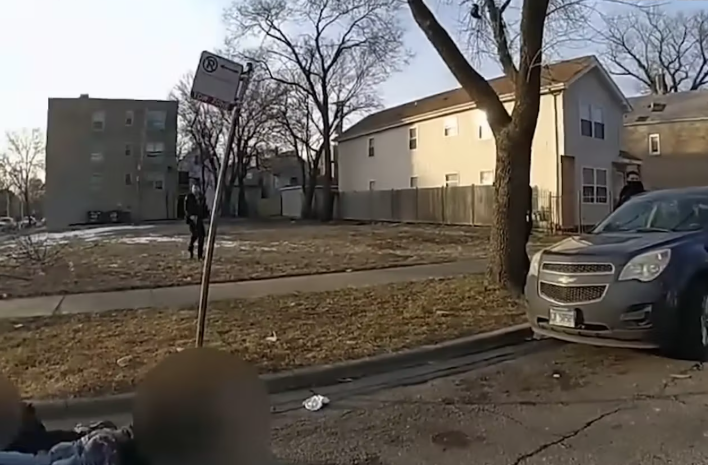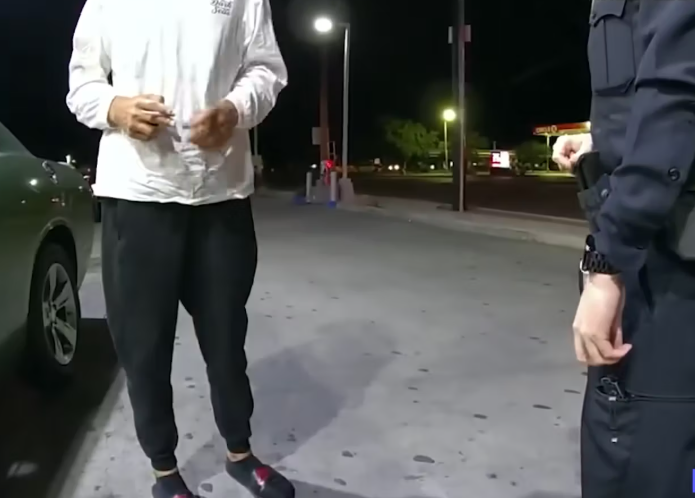
Behind the Lens of Law Enforcement: Navigating the Complex World of Police Bodycam Footage
As a seasoned veteran in the law enforcement technology sector, with a decade deeply embedded in its evolving landscape, I’ve witnessed firsthand the transformative power of digital evidence. Few technologies have reshaped public discourse, operational transparency, and the very fabric of policing quite like the advent of police bodycam footage. What started as a niche tool for accountability has blossomed into an undeniable force, captivating global audiences and fundamentally altering how we perceive justice in action. This isn’t just about recording; it’s about revealing, scrutinizing, and ultimately, understanding the nuanced realities of the badge.
The Irresistible Pull of Real-Time Justice: Beyond the Script
Consider the phenomenon: millions of views across platforms like YouTube and TikTok for raw, often shaky, first-person recordings from officers on duty. It’s not Hollywood-level production; it’s the visceral, unedited truth. Why are we so drawn to these snippets of real-world policing?
Unlike the carefully curated narratives of television dramas, police bodycam footage offers an unparalleled glimpse into the unpredictable dance between order and chaos. Every shift is a roll of the dice. From a seemingly routine traffic stop potentially escalating into a high-speed pursuit spanning multiple counties, to a domestic dispute morphing into a critical incident involving use of force, these videos lay bare the split-second decisions that define law enforcement. Viewers aren’t merely passive spectators; they are momentary participants, thrust into high-stakes situations where the consequences are tangible and immediate. This authenticity resonates deeply, fostering a unique blend of fascination, education, and sometimes, profound discomfort. It’s a stark reminder that in the realm of law enforcement, there’s no reset button, only consequences.
From Analog to Digital Vanguard: The Bodycam Revolution in Law Enforcement
The journey from the grainy, third-person perspectives of 1990s “COPS” TV show camera crews to the ubiquitous, first-person vantage of police bodycam footage marks a pivotal shift in how law enforcement operates and is perceived. What began as a tool to mitigate false accusations and provide irrefutable evidence has evolved into a mandatory piece of an officer’s uniform across major departments nationwide, from the Los Angeles Police Department (LAPD) to the New York Police Department (NYPD) and countless Sheriff’s offices in Florida.
This isn’t merely an upgrade; it’s a paradigm shift. Police bodycam footage has moved beyond mere entertainment to become the gold standard for legal evidence. It serves as an impartial witness, capturing the dynamic environment, the officers’ verbal commands (“Drop the weapon!”), the suspect’s reactions, and the unfolding sequence of events with unprecedented detail. This “digital footprint” is invaluable for internal affairs investigations, criminal prosecutions, and civil litigation. It empowers departments with unparalleled transparency, a crucial component in building and maintaining public trust. The raw data captured by these devices allows for a meticulous reconstruction of events, challenging preconceived notions and often illuminating the complexities inherent in street-level policing. For departments actively seeking to improve public safety software and deploy advanced law enforcement technology solutions, body cameras represent the foundational layer of a comprehensive digital evidence management system.
Navigating the Legal Labyrinth: Encounters with Sovereign Citizens and the Rule of Law
Among the most perplexing, and ironically, highly viewed categories of police bodycam footage are encounters with individuals identifying as “Sovereign Citizens.” These individuals adhere to a complex, often contradictory ideology claiming they are exempt from most U.S. laws, particularly those pertaining to traffic, taxation, and licensing.
Such interactions frequently feature motorists operating vehicles without proper registration or driver’s licenses, who, upon being stopped, launch into lengthy, convoluted legal arguments about their “right to travel” or the illegitimacy of government authority. While these scenarios can be darkly humorous to some viewers, they represent a significant challenge for law enforcement officers who must balance de-escalation tactics with the imperative to uphold the law. The conclusion of these encounters often involves a forced removal from the vehicle—sometimes resulting in broken windows—and subsequent arrest, much to the surprise of the subject. These videos, while entertaining, also serve a crucial educational purpose, illustrating the clear delineation between individual liberties and societal obligations under the framework of U.S. law. For those seeking a criminal defense attorney after such an encounter, the police bodycam footage becomes a critical piece of evidence, either supporting the prosecution’s case or potentially highlighting procedural missteps that could lead to a police misconduct lawsuit. Understanding these dynamics is paramount for legal tech solutions providers developing tools for evidence analysis and disclosure.
The Unseen Burdens: Psychological Toll and Scrutiny Behind the Badge
While police bodycam footage often highlights dramatic confrontations, it rarely conveys the unseen pressures and psychological toll that define an officer’s career. The decision to use lethal force, even in self-defense, triggers an exhaustive chain of events for the officer involved, typically involving months of intense scrutiny from Internal Affairs, psychological evaluations, and the harrowing experience of reliving the incident countless times.
Officer-Involved Shootings (OIS) are perpetually under the microscope, becoming immediate flashpoints for media attention, public outcry, and community protests. A correct, life-saving decision in a fraction of a second can still lead to career-ending consequences or, worse, ignite widespread civil unrest. This is precisely where channels and expert analyses leveraging police bodycam footage become indispensable. Platforms dedicated to deconstructing these incidents—often in collaboration with legal expert witness testimony—help bridge the gap between public perception and the complex realities of policing. They provide vital context, explaining tactical decisions, legal justifications, and the human element under extreme duress. The long-term impact on officers, including potential PTSD and moral injury, underscores the critical need for robust support systems and ongoing mental health resources within police departments. Effective risk management police department strategies increasingly incorporate comprehensive incident review protocols, heavily reliant on the objective data provided by body cameras, to prevent future incidents and address concerns about civil rights violations police departments face.
Four-Legged Guardians: The Indispensable Role of K9 Units
No discussion of modern policing, particularly as depicted in police bodycam footage, would be complete without acknowledging the invaluable contribution of K9 units. These highly trained dogs, typically breeds like Belgian Malinois or German Shepherds, are far more than pets; they are formidable law enforcement partners, instilling dread in criminals attempting to evade capture in dense environments.
The command “Release the K9!” often signifies the final tactical option when verbal commands and other less-lethal methods have proven ineffective. Police bodycam footage frequently captures the raw power and precision of these animals as they track, locate, and apprehend armed or dangerous suspects. The bravery and absolute discipline exhibited by these four-legged officers, often putting themselves in harm’s way, consistently garner admiration from viewers. Their utility extends beyond apprehension to include narcotics detection, explosive ordnance disposal, and search and rescue operations, proving them to be an indispensable asset for departments seeking to enhance public safety. The tactical advantages offered by K9 units contribute significantly to officer safety and operational effectiveness, making their integration a cornerstone of modern policing.
The Augmented Eye: AI, Data Analytics, and the Future of Police Media
The landscape of digital evidence management is undergoing a profound transformation driven by advancements in Artificial Intelligence (AI) and data analytics. Tools such as advanced video processing platforms and specialized AI algorithms are revolutionizing how law enforcement agencies process, analyze, and leverage police bodycam footage.
These sophisticated technologies are no longer futuristic concepts; they are actively deployed. AI can meticulously enhance blurry faces, reconstruct bullet trajectories, accurately timestamp events, and rapidly redact sensitive information for public release. For content creators and investigative journalists, AI can sift through thousands of hours of raw footage, distilling critical incidents into concise, actionable summaries in mere minutes. This unprecedented level of analytical capability not only expedites investigations but also ensures a higher degree of accuracy and objectivity.
The principle is simple: technology does not lie. If an officer errs, the police bodycam footage provides the incontrovertible proof. Conversely, if an officer acts lawfully and appropriately under pressure, the camera stands as their unwavering defense, safeguarding their reputation and career. The future of law enforcement analytics is bright, promising even more sophisticated capabilities for predictive policing, incident reconstruction, and training. This growing reliance on digital forensics services and advanced security camera systems for law enforcement underscores a commitment to evidence-based policing. The integration of legal tech solutions into police operations is set to further streamline processes and enhance accountability across the board.
Beyond the Blue Line: Police Bodycam Footage as a Cultural Phenomenon
In conclusion, police bodycam footage has transcended its initial purpose as an operational tool to become a significant force in global pop culture. Across social media platforms, these raw, unvarnished glimpses into American law enforcement resonate with audiences worldwide. Viewers, regardless of their geographic location, gain an intimate understanding of police procedures, de-escalation techniques, criminal justice system nuances, and the broader societal dynamics at play within the United States.
It fosters a unique form of civic education, sparking conversations about ethics, accountability, and the fundamental balance between individual rights and public safety. This constant stream of real-world scenarios not only influences public perception of police but also shapes internal training methodologies and informs policy decisions at a departmental and legislative level. The unfiltered lens of the body camera offers a crucial dialogue point, forcing society to confront the complexities of justice in a way that no other medium can.
For an industry expert, the evolution of police bodycam footage is a testament to the ever-changing demands on law enforcement and the relentless pursuit of transparency and justice. We are at a critical juncture where technology, policy, and public expectations converge, shaping the future of policing for decades to come.
The landscape of law enforcement technology is constantly evolving, with new innovations emerging daily to enhance transparency, improve officer safety, and streamline justice. If you’re looking to understand the latest advancements in digital evidence management, explore cutting-edge public safety software, or implement robust law enforcement technology solutions tailored to modern challenges, we invite you to connect with our team of experts. Let’s discuss how leveraging the power of data and advanced analytics can transform your department’s operational effectiveness and community engagement.