


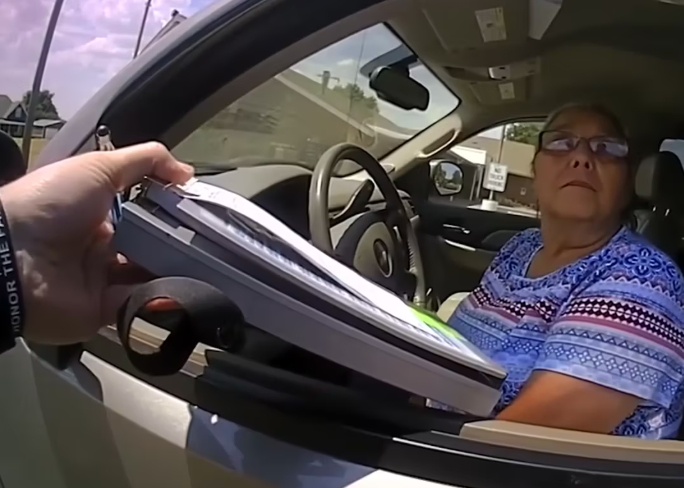
Behind the Lens: Unpacking the Impact and Future of US Police Bodycam Footage
In an era saturated with digital content, few genres hold the raw, unfiltered power of US police bodycam footage. From the grittiest street encounters to the quiet moments of community interaction, these small, chest-mounted cameras have fundamentally reshaped the landscape of law enforcement, public perception, and even global pop culture. As an industry expert with a decade deeply immersed in public safety technology and policy, I’ve witnessed firsthand the profound evolution from grainy reality TV to indispensable digital evidence. This isn’t just about watching a viral clip; it’s about understanding the intricate dance of technology, accountability, human behavior, and the relentless pursuit of justice playing out in real-time.
The allure of US police bodycam footage is undeniable. It cuts through the noise, offering an unvarnished window into a world often misunderstood. What began as a tool for transparency and evidence collection has blossomed into a critical component of police accountability, a training resource, and a cultural phenomenon that captivates millions worldwide. Yet, beneath the surface of every high-stakes chase or tense standoff captured on police body camera footage lies a complex tapestry of operational challenges, ethical dilemmas, and technological advancements that continue to redefine the very essence of modern policing.
The Irresistible Pull of Realism: Why US Police Bodycam Footage Captivates Millions
Have you ever wondered why shaky, sometimes blurry, US police bodycam footage generates tens of millions of views across platforms like YouTube and TikTok? It’s not the cinematic quality; it’s the visceral, unscripted reality. Unlike meticulously choreographed Hollywood productions, there’s no pre-planned script in law enforcement. Every shift is a roll of the dice with destiny, capable of transforming from a routine traffic stop – perhaps a DUI investigation – into a high-speed pursuit spanning multiple states, or a life-or-death confrontation in a dimly lit alley.
Viewers aren’t just observing an arrest; they are experiencing the raw confrontation between order and chaos, discipline and desperation. This unvarnished authenticity is a magnetic force, drawing in audiences eager to witness critical incidents and the human element under extreme duress. The raw audio, the rapid breathing of an officer, the emphatic commands to “Drop the gun!”—these elements, vividly captured by police body camera footage, convey a sense of immediacy and danger that no other medium can replicate. It’s a compelling narrative of risk, consequence, and the daily grind of those tasked with maintaining public safety. The sheer unpredictability and the high stakes involved in every piece of US police bodycam footage provide a unique psychological pull that resonates deeply with an audience yearning for genuine experiences.
From Analog to Digital Vanguard: The Evolution of Law Enforcement Visuals
The journey from the “COPS TV Show” era to the ubiquitous police body camera footage we see today is a testament to rapid technological advancement and a growing demand for transparency. In the 1990s, programs like COPS relied on a camera crew trailing officers, offering a third-person, often sensationalized perspective. Today, the landscape has been revolutionized by officer-worn body cameras.
This isn’t merely entertainment; it’s the ultimate legal and evidential tool. In the United States, major police departments such as the Los Angeles Police Department (LAPD), the New York Police Department (NYPD), and numerous Sheriff’s offices across Florida have mandated body camera use for their officers. This policy shift has created an unprecedented “treasure trove” of factual, real-world content that no fictional drama could ever authentically reproduce. The pressure is immense; decisions are made in split seconds, often determining life or death. The advent of US police bodycam footage provides an invaluable, objective record of these critical moments, offering clarity during investigations, protecting officers from false accusations, and enhancing police accountability. This adoption isn’t just about capturing events; it’s a strategic investment in law enforcement solutions that promote transparency and public trust, an area that has seen significant growth for police body camera manufacturers like Axon and Motorola Solutions. The move towards mandatory deployment of police body camera footage systems has fundamentally changed how policing is conducted and perceived.
Navigating the Legal Labyrinth: Encounters with Sovereign Citizens and Legal Interpretation
Among the most captivating and, at times, frustrating content found in US police bodycam footage are encounters with individuals identifying as “Sovereign Citizens.” These individuals adhere to a pseudo-legal ideology, believing that federal and state laws do not apply to them. Their interactions with law enforcement often escalate dramatically, providing stark examples of the complexities officers face.
You’ve likely seen clips of drivers without licenses or proper vehicle registration, who, when stopped, launch into lengthy diatribes about their “right to travel” freely, unfettered by governmental authority. The typical outcome often involves a stark reminder of legal realities: the shattering of a window, followed by the forcible removal of the bewildered individual. These clips, captured on police body camera footage, serve a dual purpose. Beyond their entertainment value, they offer a stark educational lesson on the fundamental principles of American law: rights inherently come with responsibilities. For officers, documenting these interactions with US police bodycam footage is crucial for evidence, proving probable cause, and justifying actions taken when individuals refuse to comply with lawful orders. These situations highlight the critical need for robust digital evidence management systems that can handle the volume and complexity of such encounters, providing irrefutable proof for subsequent legal proceedings. Legal consulting for law enforcement often focuses on how best to utilize this visual evidence in court.
The Weight of the Badge: Psychological Pressures and Accountability in the Bodycam Era
While the public often sees the decisive actions of officers subduing suspects, few truly grasp the immense psychological burden that follows. Every instance an officer discharges their weapon, even in clear self-defense, triggers months of intensive scrutiny from internal affairs (IA) units and external review boards. Officer-involved shootings (OIS) are perpetually under the microscope of media and public protest.
A correct, instantaneous decision can save lives, but a minor misstep can ignite widespread civil unrest. This is precisely why analytical channels, such as PoliceActivity or Donut Operator, have become so vital. They provide informed analysis, helping the public contextualize events and understand the complex decisions officers make under unimaginable stress, often based on US police bodycam footage. The footage itself becomes the primary source material, scrutinizing every movement, every word. This level of oversight, while essential for police accountability and public trust, places significant psychological pressure on officers, contributing to issues like post-traumatic stress. The transparent nature of police body camera footage requires departments to also invest in robust psychological support for their personnel, recognizing the unique strains of a job where every action can be reviewed frame-by-frame. This investment is part of a broader risk management in policing strategy that acknowledges both external scrutiny and internal officer well-being.
Unsung Heroes on Four Legs: The Indispensable Role of K9 Units
No discussion of modern policing, especially when reviewing US police bodycam footage, would be complete without acknowledging the invaluable contributions of K9 units. These highly trained police dogs, primarily breeds like Belgian Malinois and German Shepherds, are often the nightmare of criminals attempting to evade capture in dense undergrowth or fortified structures.
The command “Release the K9!” frequently represents the final escalation tactic when verbal de-escalation and other non-lethal methods have failed. Police body camera footage capturing K9s engaging and subduing armed or fleeing suspects consistently elicits admiration from viewers, showcasing the unwavering courage, discipline, and sheer effectiveness of these four-legged “officers.” Their deployment reduces direct physical risk to human officers in dangerous situations, making them a critical component of tactical operations. The footage not only demonstrates their capabilities but also aids in training and policy review, ensuring the ethical and appropriate use of these powerful animals. The dedication of K9 handlers and the incredible capabilities of these animals are often some of the most compelling aspects captured in any comprehensive review of US police bodycam footage.
The AI Revolution: Enhancing Analysis, Transparency, and Predictive Policing with Bodycam Data
We are currently witnessing a transformative explosion in advanced technological tools, particularly Artificial Intelligence (AI), in the realm of processing US police bodycam footage. Platforms leveraging AI are revolutionizing how departments analyze, store, and utilize this vast sea of digital evidence. These sophisticated tools can perform tasks ranging from clarifying obscured faces and analyzing bullet trajectories to efficiently summarizing thousands of hours of raw footage into concise, actionable intelligence for investigators or public consumption.
AI doesn’t lie; it processes data objectively. This technology is instrumental in bringing unprecedented transparency to law enforcement operations. If an officer makes an error, the camera provides the undeniable proof. Conversely, if an officer’s actions are justified, the police body camera footage serves as their ultimate protection against false accusations or misinterpretations. This dual function of accountability and protection is invaluable. The integration of forensic video analysis powered by AI is becoming standard, streamlining investigations and enhancing the accuracy of reports. Furthermore, the data derived from US police bodycam footage, when analyzed by AI, contributes to the burgeoning field of predictive policing, helping departments identify crime hotspots and allocate resources more effectively. These advancements in criminal justice technology and public safety technology are not merely upgrades; they represent a paradigm shift in how police departments operate, manage risk, and engage with the communities they serve. For law enforcement agencies, investing in these cutting-edge digital evidence management systems is no longer optional but a strategic imperative.
Beyond Surveillance: US Police Bodycam Footage as a Global Cultural Phenomenon
Ultimately, US police are more than just a functional law enforcement agency; they have, through the ubiquitous nature of US police bodycam footage on social media platforms, evolved into a significant global pop culture icon. Viewers from around the world, whether in Europe, Asia, or anywhere else, gain unique insights into American society, legal frameworks, and human psychology through these unfiltered glimpses.
This footage offers practical lessons in de-escalation tactics, situational awareness, and the complex legal nuances of interactions between citizens and authority. It fosters a deeper, albeit sometimes controversial, understanding of the challenges inherent in maintaining civil order within a democratic society. The raw honesty of police body camera footage plays a pivotal role in shaping public discourse around topics like police accountability, use-of-force policies, and the perpetual quest for justice. It forces conversations about transparency in law enforcement and the delicate balance between individual liberties and collective safety. As the technology continues to advance, the cultural impact of US police bodycam footage will only deepen, cementing its place not just as a tool for justice but as a mirror reflecting the evolving dynamics of a nation and its relationship with authority.
The journey of US police bodycam footage from a niche technological experiment to an indispensable cornerstone of modern policing is remarkable. It has reshaped accountability, empowered transparency, and provided an unparalleled window into the daily realities of law enforcement. As technology continues its relentless march forward, integrating more sophisticated AI and advanced analytics, the role of these cameras will only expand, offering richer insights and greater clarity.
We invite you to delve deeper into the complex world of law enforcement technology and its impact on community safety. Explore how these innovations are shaping the future of justice and accountability, and consider how your organization can leverage cutting-edge public safety technology to foster greater transparency and operational excellence. Contact our expert team today for a comprehensive consultation on digital evidence management systems and police body camera solutions tailored to meet the evolving demands of modern law enforcement.