Unfiltered Lens: Decoding the Transformative Impact of Police Body Cameras in Modern Law Enforcement
From my vantage point, having navigated the intricate landscape of public safety and law enforcement technology for over a decade, few innovations have reshaped the narrative quite like police body cameras. These unassuming devices, often no larger than a deck of cards, have transitioned from niche experimental tools to ubiquitous, indispensable components of modern policing. What began as a response to demands for greater accountability has evolved into a multifaceted instrument influencing everything from tactical decision-making to the very fabric of public trust. This isn’t merely about recording; it’s about redefining truth, transparency, and the dynamic interaction between officers and the communities they serve.
The Irresistible Pull of Raw Reality: Why We Can’t Look Away
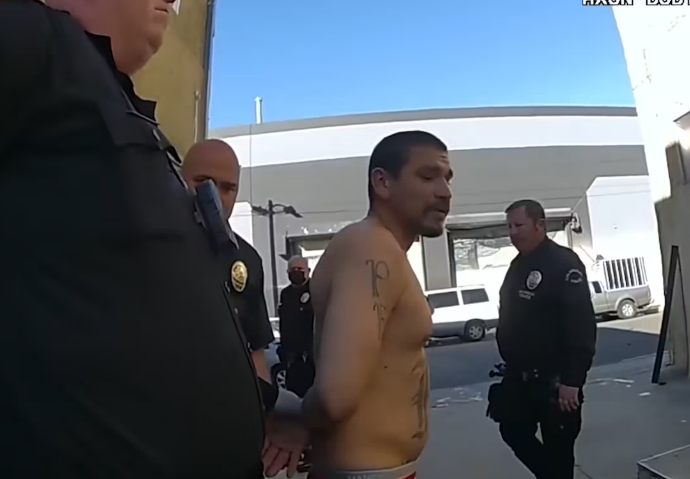
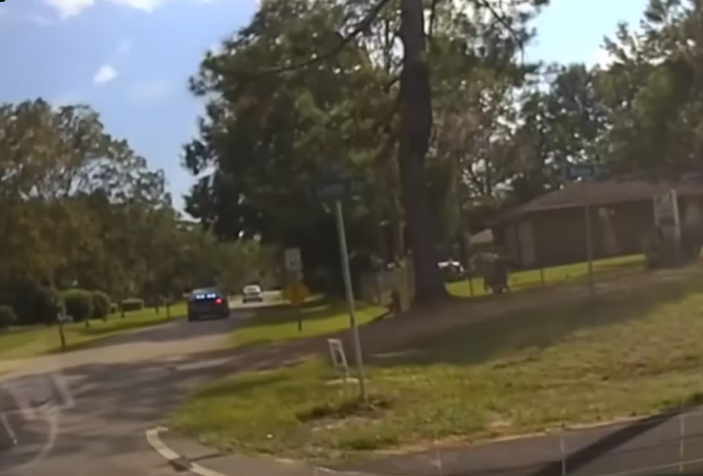
There’s an undeniable magnetism to the unscripted drama of real-world law enforcement encounters. Whether it’s a tense traffic stop escalating unexpectedly or a high-stakes pursuit winding through urban canyons, these raw clips, often shaky and gritty, command millions of views across digital platforms like YouTube and TikTok. This isn’t just about entertainment; it’s a profound, almost primal fascination with authenticity. Unlike the polished narratives of “COPS” from decades past, which offered a curated glimpse, the advent of police body cameras has opened a direct, unfiltered window into the chaotic, unpredictable realities faced by officers on the street.
As an industry expert, I understand that this allure stems from several factors. Firstly, the inherent human interest in conflict, resolution, and the boundary between order and chaos. Secondly, the immediacy and first-person perspective offered by bodycam footage create an immersive experience, placing the viewer directly in the officer’s shoes during critical moments. We witness decisions made in fractions of a second, hear the strained breathing, and feel the palpable tension. This visceral connection makes the footage compelling, educational, and sometimes, deeply unsettling. It’s a real-time civics lesson, presenting the stark realities of crime, community engagement, and the constant balancing act inherent in maintaining peace. This shift from passively consuming television shows to actively engaging with digital evidence underscores a broader cultural demand for transparency and understanding, a demand that police body cameras are uniquely positioned to meet.
The Epochal Shift: From Filmed Recreation to Forensic Evidence
The journey from the “COPS TV Show” era to the current “bodycam era” represents more than a technological upgrade; it signifies a fundamental paradigm shift in how law enforcement operates and is perceived. In the 1990s, television crews would accompany officers, carefully selecting and editing footage to fit a broadcast narrative. Today, virtually every major metropolitan department, from the LAPD in Los Angeles to the NYPD in New York, and numerous Sheriff’s departments across states like Florida, mandate that officers wear police body cameras. This mandate fundamentally changes the game.
These devices are no longer just for public consumption; they are indispensable legal instruments. Bodycam footage serves as paramount evidence in investigations, prosecutions, and internal reviews. It offers an objective record that can corroborate officer statements, refute false claims, protect individuals’ civil rights, and provide crucial context in complex situations. This shift to mandatory recording has created an unprecedented repository of real-world data, providing insights into everything from de-escalation techniques to officer-involved shootings (OIS). The evidentiary value is immense, transforming vague recollections into concrete visual and auditory records. It reduces ambiguities, minimizes “he said, she said” scenarios, and ultimately strengthens the foundation of the criminal justice system. For any criminal defense attorney or civil rights lawyer, this footage can be a game-changer, either proving or disproving allegations of police misconduct. The reliability of this digital evidence is paramount, necessitating robust digital evidence management systems and stringent chain-of-custody protocols.
Navigating the Fringes: The Sovereign Citizen Challenge and Legal Literacy
One particularly captivating, yet often frustrating, aspect of bodycam footage involves encounters with individuals identifying as “Sovereign Citizens.” These individuals adhere to a complex, often convoluted, ideology that posits they are not subject to most U.S. federal or state laws. From their perspective, traffic laws, licensing requirements, and even basic property rights may not apply to them. These interactions, frequently captured by police body cameras, are a masterclass in legal illiteracy clashing with jurisdictional authority.
I’ve observed countless clips where officers patiently explain statutory requirements only to be met with lengthy, pseudo-legal treatises on “traveling not driving” or claims of being “free inhabitants.” The predictable escalation often leads to arrests, sometimes involving forced entry or vehicle impoundment, all meticulously recorded. While these clips can be morbidly fascinating, they highlight a serious challenge for law enforcement. Officers require specialized police training solutions to handle such encounters, emphasizing de-escalation tactics, clear communication of legal consequences, and maintaining professional decorum in the face of provocation. Crucially, the bodycam footage from these incidents serves as an unassailable record, protecting officers from spurious claims of excessive force or arbitrary arrest. It provides clear documentation of the refusal to comply, the officer’s procedural adherence, and the factual basis for any subsequent enforcement action. These recordings become vital in any legal challenges police accountability may face, offering transparent proof of interaction.
The Weight of the Badge: Unseen Pressures and Post-Event Scrutiny
Beyond the immediate danger of street encounters, officers grapple with a spectrum of hidden pressures, particularly in the aftermath of critical incidents. The act of using force, especially lethal force, is profoundly traumatic and sets in motion a cascade of professional and personal challenges. While the public often only sees the moment of apprehension, officers must then navigate months, sometimes years, of intense scrutiny. Every officer-involved shooting (OIS), regardless of its legality or justification, triggers exhaustive investigations by Internal Affairs units, district attorneys, and potentially federal agencies.
In my experience, the presence of police body cameras during these incidents is a double-edged sword. On one hand, the footage is invaluable for reconstructing events, providing objective evidence that can exonerate officers or identify policy violations. It’s a powerful tool for expert witness law enforcement analysis, helping juries and investigators understand the split-second decisions made under duress. On the other hand, the knowledge that every action, every word, and every split-second decision is being recorded adds another layer of psychological burden. The constant awareness of being under the lens, coupled with the inevitable public and media outcry that follows an OIS, contributes to significant stress, anxiety, and in many cases, post-traumatic stress. This highlights the critical need for robust risk management for law enforcement strategies, including comprehensive psychological support services and peer counseling programs. The push for greater police accountability through bodycams must be balanced with an understanding of the immense psychological toll these roles take.
The Unsung Heroes: K9 Units and Their Indispensable Role
No discussion of modern policing, especially as documented by police body cameras, is complete without acknowledging the invaluable contribution of K9 units. These highly trained dogs, typically Belgian Malinois or German Shepherds, are more than just partners; they are essential tactical assets. Their enhanced senses of smell and hearing, combined with their loyalty and specialized training, make them indispensable for tasks ranging from tracking fleeing suspects through challenging terrain to detecting narcotics, explosives, or even missing persons.
Bodycam footage from K9 deployments often reveals some of the most dramatic and effective moments in policing. When verbal commands fail, and suspects remain concealed or actively resist, the deployment of a K9 can be a crucial, often life-saving, escalation of force. The sight of a K9 apprehending a potentially armed suspect, swiftly and decisively, underscores their effectiveness in de-escalating dangerous situations by reducing the need for officers to physically engage directly. These recordings are not only awe-inspiring; they also provide critical documentation of the K9’s actions and the handler’s commands, ensuring adherence to use-of-force policies and aiding in post-incident reviews. The precise, disciplined application of force by a K9, captured on police body cameras, can illustrate why such specialized units are a vital component of public safety technology and remain a formidable deterrent in the field.
AI and the Future: Unlocking Insights from Billions of Bodycam Pixels
As we gaze towards 2025 and beyond, the sheer volume of data generated by police body cameras presents both a challenge and an unparalleled opportunity. This is where Artificial Intelligence (AI) and Machine Learning (ML) are rapidly becoming transformative forces. We are moving beyond simple recording into sophisticated analysis, allowing law enforcement to extract actionable insights from billions of pixels and hours of audio. Tools akin to ‘Lighthouse’ are no longer futuristic concepts but are actively being developed and deployed.
AI can automate the laborious process of redacting sensitive information (e.g., faces of minors, private addresses) from public releases of footage, ensuring compliance with privacy regulations. It can rapidly index and search vast archives of video for specific events, objects, or even emotional indicators. Predictive analytics, while still in nascent stages and fraught with ethical considerations, holds the potential to identify patterns in use of force incidents or areas prone to certain types of crime, enabling proactive policing strategies. Facial recognition, license plate recognition, and even ballistic trajectory analysis are becoming more sophisticated, turning raw footage into forensic goldmines. However, the ethical implications of such powerful AI, particularly concerning data privacy, algorithmic bias, and potential for misuse, demand careful governance and oversight. This intersection of law enforcement technology and AI will require ongoing dialogue with civil rights lawyers and privacy advocates to strike a balance between enhancing police accountability and protecting individual liberties. The future of digital evidence management hinges on intelligent automation, but always with human oversight and ethical guardrails firmly in place.
The Enduring Legacy: Police Body Cameras as Cultural Nexus and Catalyst for Change
The journey of police body cameras from a niche concept to a global standard in transparency in policing has been nothing short of revolutionary. They have become a nexus point where public perception, legal procedure, technological innovation, and societal expectations converge. These devices have not only provided an unprecedented level of insight into law enforcement operations but have also become a significant cultural touchstone. Whether it’s fostering greater public trust by demonstrating officer integrity or providing undeniable proof in instances of misconduct, bodycam footage shapes opinions, informs policy, and drives critical conversations about the future of justice.
From an expert perspective, the widespread adoption of police body cameras represents an ongoing commitment to a more transparent, accountable, and ultimately, more effective system of justice. While challenges remain—from data storage and retrieval complexities to privacy concerns and the psychological impact on officers—the benefits for police accountability, evidence collection, and public understanding are undeniable. These cameras empower communities, protect officers, and offer invaluable data for continuous improvement in police training solutions and broader public safety consulting. They are not just gadgets; they are central to the evolving narrative of law enforcement in the 21st century.
As we continue to refine the deployment and analysis of this critical technology, the conversation around policing will remain dynamic and informed by these unfiltered lenses. We invite you to explore how these advancements can be leveraged within your organization or community to foster greater accountability, enhance operational efficiency, and build stronger, more trusting relationships between law enforcement and the public it serves. Discover how integrating cutting-edge police body camera strategies and digital evidence management solutions can revolutionize your approach to modern public safety.