Beyond the Lens: A Deep Dive into Police Bodycam Footage and Its Transformative Impact on US Law Enforcement
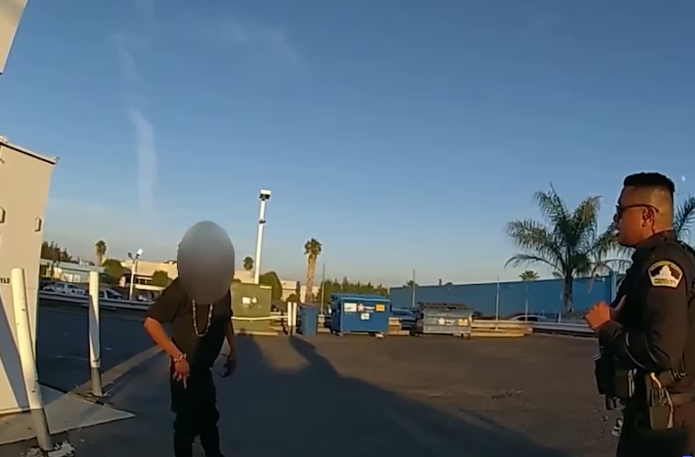
As a veteran with over a decade in the public safety technology sector, I’ve witnessed firsthand the seismic shifts in law enforcement operations and public perception. The advent of the body-worn camera (BWC) has fundamentally reshaped the landscape, offering an unfiltered, often raw, perspective into the daily realities of policing. Once a nascent concept, police bodycam footage has evolved from mere anecdotal evidence to a cornerstone of accountability, training, and criminal justice. This isn’t just about recording; it’s about reimagining transparency, trust, and the very definition of justice in the digital age.
The digital revolution has brought unparalleled scrutiny and unparalleled opportunities to enhance public safety. We are no longer limited to hearsay or selective narratives. Instead, the lens affixed to an officer’s chest provides a tangible record, allowing us to peel back the layers of complex encounters and understand the split-second decisions that define critical incidents. This deep dive will explore the captivating nature of this footage, its profound legal implications, the unseen pressures on officers, the vital role of specialized units, and the cutting-edge technological advancements poised to redefine its future.
The Unfiltered Reality: What Makes Police Bodycam Footage So Captivating?
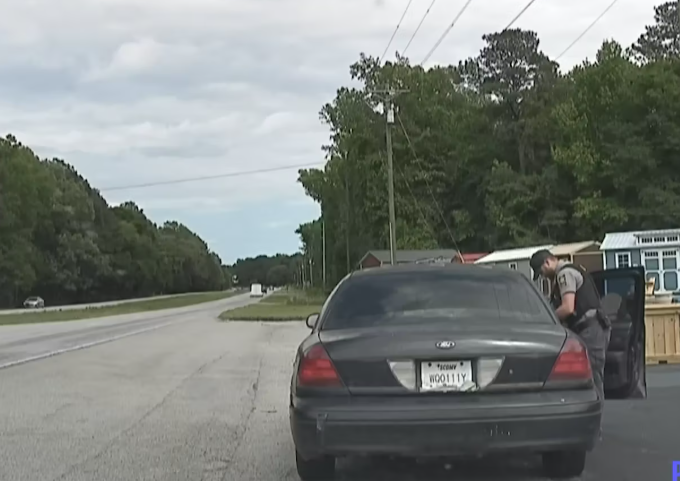
In an era saturated with curated content, the raw, unedited nature of police bodycam footage stands out. Why do millions flock to platforms like YouTube and TikTok to watch grainy, often shaky, clips captured from an officer’s perspective? It’s not about cinematic quality; it’s about authentic human drama, the unvarnished truth unfolding in real-time. Unlike scripted television shows, there are no retakes, no meticulously planned dialogues. Every shift is an unscripted narrative, a high-stakes gamble with unforeseen consequences.
From what might seem a routine traffic stop, potentially escalating into a DUI arrest, to adrenaline-pumping high-speed pursuits spanning multiple states, or intense standoffs in dimly lit alleys, the viewer isn’t merely observing an apprehension. They are witnessing the delicate balance between order and chaos, discipline and the unpredictable human element. This raw authenticity provides an immersive experience, pulling audiences directly into the officer’s shoes, creating an unparalleled connection to the challenges and dangers inherent in law enforcement. The sheer volume and accessibility of this police bodycam footage have transformed it into a powerful educational tool, demystifying police work for a global audience and fostering a deeper, albeit often confronting, understanding of street-level policing. The demand for such unedited content highlights a fundamental human desire for truth and insight into the most challenging aspects of societal control.
From “COPS” TV Show to Digital Evidence: The Evolution of Transparency
For decades, our primary visual insight into police work came from programs like “COPS,” which, while groundbreaking, relied on civilian camera operators. Their subjective framing and editing choices shaped public perception. However, the early 2010s ushered in the “Bodycam Era,” a paradigm shift that moved beyond entertainment to establishing an ultimate form of legal evidence. Today, in the United States, major departments like the Los Angeles Police Department (LAPD) and the New York Police Department (NYPD), along with numerous sheriff’s offices across states like Florida, mandate that their officers wear body cameras. This policy isn’t merely a technological upgrade; it’s a commitment to transparency and accountability.
This shift has created an invaluable archive of real-life content, far surpassing the authenticity any Hollywood production could replicate. The footage captures the subtle nuances: the officer’s strained breathing, the authoritative command to “Drop the weapon!”, and the agonizing tenth-of-a-second decisions made under extreme duress. This omnipresent digital witness serves as a critical tool, not just for investigating complaints but also for protecting officers against false accusations. The widespread adoption of these devices necessitates robust digital evidence management systems, which are increasingly seen as critical law enforcement technology solutions. Proper archiving, retrieval, and analysis of this extensive police bodycam footage are crucial for maintaining the integrity of the justice system and facilitating effective public safety consulting.
Navigating Legal Grey Areas: The “Sovereign Citizen” Phenomenon and Its Implications for Police Bodycam Footage
One of the most perplexing and, surprisingly, popular categories of police bodycam footage involves encounters with individuals identifying as “Sovereign Citizens.” These individuals adhere to a complex, often self-contradictory ideology, believing they are exempt from federal, state, and local laws. Their interactions with law enforcement frequently devolve into drawn-out, contentious arguments, making for compelling viewing.
Imagine a scenario: a driver, operating without a license or registration, is stopped by an officer. Instead of complying, they launch into a lengthy, pseudo-legal monologue about “the right to travel” or “constitutional sovereignty.” These situations, often captured in their entirety by police bodycam footage, typically conclude with the officers having to escalate their response, leading to smashed windows and the forcible removal of the bewildered individual. While these clips can be morbidly entertaining, they serve a vital educational purpose, illustrating a fundamental principle of American jurisprudence: rights and responsibilities are inextricably linked. Such incidents highlight the complexities officers face daily and underscore the importance of clear, unambiguous law enforcement training regarding de-escalation tactics and legal boundaries. The legal implications for both the individual and the officers involved in these encounters can be significant, often requiring expert analysis of the police bodycam footage for subsequent legal proceedings or internal investigations. For departments, this means engaging with public safety consulting firms to develop effective strategies for managing these unique and challenging interactions, potentially reducing the likelihood of incidents that could result in costly police liability insurance claims.
The Weight of the Badge: Psychological Tolls and Critical Incidents Captured by Police Bodycam Footage
News headlines frequently sensationalize the moment an officer subdues a suspect. What often goes unseen, however, is the profound psychological aftermath experienced by officers involved in critical incidents, particularly officer-involved shootings (OIS). Each time an officer discharges their firearm, even in clear self-defense, they face months, sometimes years, of internal investigation by units like Internal Affairs, coupled with intense public scrutiny.
These highly sensitive events, meticulously recorded by police bodycam footage, become flashpoints for media attention and public protest. A decision made in a fraction of a second can save lives, or, if perceived incorrectly, can ignite widespread civil unrest. This is precisely why analytical channels and expert commentaries, like those found on platforms akin to PoliceActivity or Donut Operator, are invaluable. They provide critical context, breaking down the incident frame-by-frame, explaining tactical choices, legal justifications, and the human factors at play. This informed analysis helps the public understand the rationale behind an officer’s actions under extreme pressure, contributing to greater nuance in discussions surrounding police accountability and criminal justice reform. The psychological risk management for police departments involved in these critical incidents is paramount, encompassing everything from immediate peer support to long-term mental health resources. The thorough review of police bodycam footage is central to these processes, ensuring fair investigation and appropriate support.
Elite K9 Units: Unsung Heroes in Police Bodycam Footage
No discussion of modern policing, especially as depicted through the lens of body cameras, would be complete without acknowledging the indispensable role of K9 units. Breeds like Belgian Malinois and German Shepherds are not just pets; they are highly trained tactical assets, often the most formidable deterrent to criminals attempting to evade capture in dense underbrush or confined spaces.
The command “Release the K9!” typically marks the final escalation when all other de-escalation efforts have failed. The police bodycam footage capturing these moments is consistently among the most compelling: the K9’s explosive speed, unerring focus, and the precision with which they apprehend a fleeing or armed suspect. These clips inspire profound admiration for the courage, discipline, and unwavering loyalty of these four-legged “officers.” Beyond apprehension, K9s are crucial for narcotics detection, bomb sniffing, and search and rescue, with their contributions frequently documented through officer-worn cameras, showcasing their versatility. The integration of K9 units into tactical operations demonstrates advanced tactical training programs and sophisticated law enforcement technology solutions that extend beyond human capabilities, further enhancing public safety.
The Future Frontier: AI, Digital Forensics, and the Management of Police Bodycam Footage
We are on the cusp of a revolutionary phase in how police bodycam footage is analyzed and utilized, driven by exponential advancements in artificial intelligence (AI) and digital forensics. Tools like advanced video analytics platforms are no longer speculative; they are becoming operational realities. These sophisticated AI systems can rapidly process thousands of hours of footage, clarifying blurred faces, tracking ballistic trajectories, automatically redacting sensitive information, or compiling crucial segments into concise incident reports for internal review or public release.
AI is poised to transform the efficiency and efficacy of evidence management software for law enforcement. It can identify patterns in behavior, flag potential training deficiencies, or even help predict high-risk situations by analyzing past encounters. The future promises a level of forensic detail previously unimaginable, bolstering both prosecution and defense strategies. Technology, in this context, does not lie. It serves as an impartial witness, bolstering law enforcement transparency and accountability. If an officer’s actions are deemed incorrect, the camera provides the irrefutable proof. Conversely, if an officer acts appropriately under duress, the camera stands as their ultimate defense. This represents a significant investment in advanced surveillance technology and legal tech for law enforcement, offering robust solutions for complex challenges. The ethical implications surrounding data privacy in policing and the responsible deployment of AI in criminal justice remain a critical area of ongoing discussion and legislative development. The procurement of these sophisticated systems also presents significant opportunities for companies involved in government procurement for bodycams and related software solutions.
Conclusion: Police Bodycam Footage – A Global Cultural Phenomenon
The widespread adoption and proliferation of police bodycam footage have transcended mere operational necessity; it has become a significant facet of global popular culture. Through social media platforms, viewers worldwide—from bustling cities to remote villages—can gain intimate insights into American society, observe tactical decision-making, and learn about de-escalation techniques and legal protocols. This footage fosters an unprecedented level of interaction between the public and law enforcement, sparking critical conversations about civil liberties, appropriate use of force, and community relations.
As an industry expert, I see the future of police bodycam footage as one of continuous evolution, driven by technological innovation and societal demands for transparency. It’s a powerful tool, capable of both exposing misconduct and exonerating the innocent, ultimately serving as a cornerstone for building greater trust between law enforcement and the communities they serve.
If your organization is grappling with the complexities of managing and maximizing the insights from police bodycam footage, or if you’re seeking to implement cutting-edge law enforcement technology solutions to enhance operational efficiency and accountability, we invite you to connect with our team. Leverage our decade of expertise in public safety consulting and digital forensics services to navigate this evolving landscape and secure your agency’s future readiness.