The Unfiltered Lens: Deconstructing the Impact and Future of US Police Bodycam Footage
From the flickering glow of a smartphone screen to the hushed discussions in policy meeting rooms, few technologies have impacted the landscape of American law enforcement and public perception as profoundly as the body-worn camera. As someone who has navigated the complexities of public safety, digital forensics, and media analysis for over a decade, I’ve witnessed firsthand the seismic shift initiated by US police bodycam footage. It’s more than just a recording device; it’s a crucible for truth, a catalyst for accountability, and a constant source of public fascination. This article will peel back the layers of this ubiquitous technology, exploring its evolution, challenges, and the transformative potential it holds for the future of the criminal justice system.
The Magnetic Allure of Real-Time Encounters
Why do millions gravitate towards raw, often chaotic US police bodycam footage? It’s a question that transcends mere entertainment. Unlike the meticulously crafted narratives of fictional crime dramas, these clips offer an unvarnished, often brutal, glimpse into the unpredictable realities faced by officers on the streets. We’re drawn to the authenticity, the high-stakes decisions made in fractions of a second, and the raw human drama that unfolds without a script. From routine traffic stops escalating into high-speed pursuits across state lines to tense standoffs requiring de-escalation tactics, US police bodycam footage pulls back the curtain, allowing viewers to become virtual participants in the pursuit of public safety.
This unfiltered access provides a unique perspective on the intricate dance between order and anarchy, a perspective that resonates deeply in a society increasingly demanding transparency. The shaky, often grainy video isn’t a flaw; it’s a testament to the chaotic environments in which these encounters occur, making the footage even more compelling. It’s an honest portrayal that no Hollywood budget could replicate, showcasing the visceral reactions, the critical thinking, and the sheer bravery (or sometimes misjudgment) that define a police officer’s day.
From Broadcast Spectacle to Irrefutable Evidence: The Evolution of Police Monitoring
The concept of capturing law enforcement in action isn’t new. In the 1990s, television programs like “COPS” pioneered a raw, documentary-style approach, with camera crews riding shotgun, documenting arrests and incidents. While groundbreaking for its time, this format was inherently selective, influenced by production crews, and primarily for entertainment.
The advent of the body-worn camera has fundamentally altered this paradigm. Today, US police bodycam footage isn’t primarily for show; it’s paramount legal evidence. Major departments, including the Los Angeles Police Department (LAPD) and the New York Police Department (NYPD), along with countless county sheriff’s offices and state police agencies, have mandated their officers wear these devices. This policy shift wasn’t driven solely by technology but by a pressing need for enhanced police accountability, improved officer safety, and irrefutable documentation of incidents. The move to mandatory body cameras was a direct response to public demand for greater transparency in law enforcement interactions.
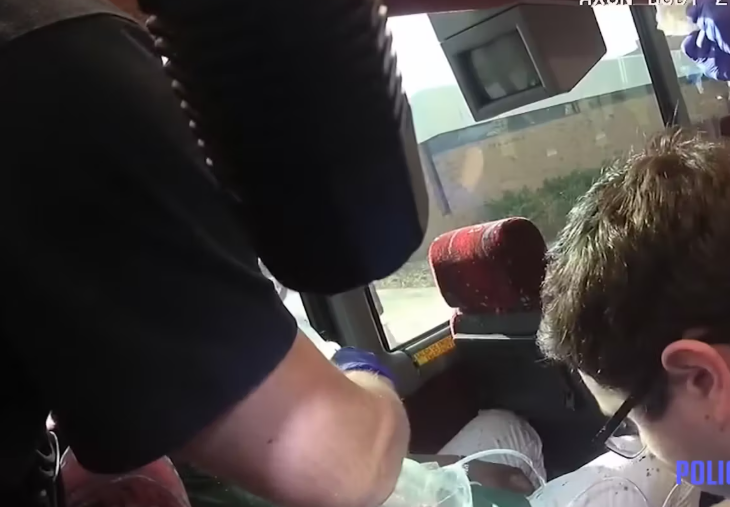
The transition from a film crew’s detached perspective to an officer’s point of view dramatically changed the narrative. Now, the viewer experiences the intense breathlessness of an officer during a foot chase, the unwavering command to “Drop the weapon!”, and the split-second decisions that delineate life and death. This technological leap has created an unprecedented “digital evidence management” challenge and opportunity, transforming how police departments investigate, train, and engage with their communities. This vast reservoir of US police bodycam footage now serves as a critical resource for everything from internal investigations to criminal prosecutions, providing objective data in situations that once relied solely on conflicting testimonies.
Navigating Legal Labyrinths: Sovereign Citizens and Constitutional Conundrums
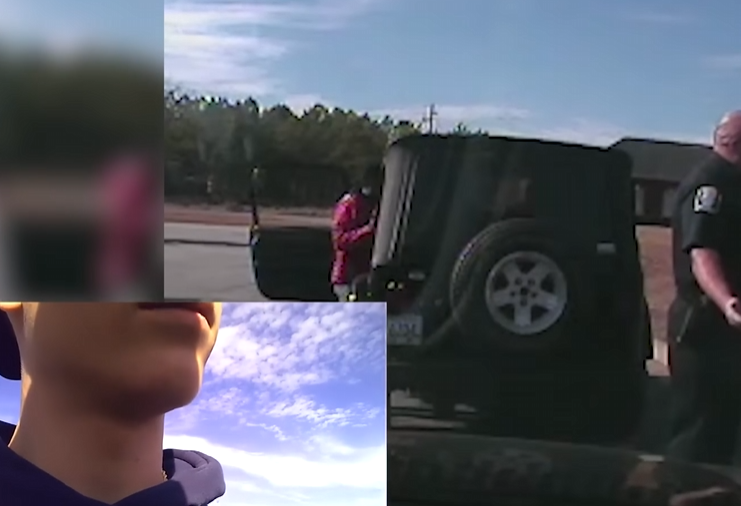
Among the most challenging and often baffling encounters captured in US police bodycam footage are those involving individuals identifying as “Sovereign Citizens.” These individuals, who believe they are exempt from federal and state laws, present unique legal and tactical challenges for officers. I’ve seen countless examples where a seemingly routine traffic stop escalates dramatically as a driver, often without a license or registration, launches into a lengthy, pseudo-legal discourse on their “freedom to travel” or “common law rights.”
These confrontations often highlight the delicate balance officers must strike between upholding the law, respecting constitutional rights, and de-escalating volatile situations. The common outcome, unfortunately, is often an inevitable use of force, such as a window breach, followed by a physical arrest, all meticulously documented by the body camera. While these clips can be surprisingly educational, showcasing the practical application of law versus misguided ideologies, they also underscore the profound misunderstandings some citizens hold regarding the criminal justice system. They serve as stark reminders that rights, while fundamental, are always coupled with responsibilities and that ignoring legitimate legal authority carries significant consequences. For law enforcement agencies, understanding and preparing for these specific types of interactions is crucial for effective police training and risk management.
The Unseen Burdens: Psychological Toll and Accountability in the Bodycam Era
While US police bodycam footage offers an objective record of events, it also illuminates the immense, often invisible, pressures officers endure. The decision to use force, particularly deadly force in an officer-involved shooting (OIS), carries a profound psychological burden, irrespective of its justification. Every squeeze of a trigger, every deployment of a taser, triggers a cascade of internal investigations by units like Internal Affairs, media scrutiny, and potential public outcry.
A righteous decision in self-defense can still lead to months of agonizing review, placing immense stress on the officer and their family. Conversely, a split-second misjudgment, or even a perceived error, can ignite city-wide protests, civil unrest, and calls for police reform. This constant surveillance by US police bodycam footage means that every action, every word, is recorded and subject to relentless examination. This heightened scrutiny, while essential for police accountability and public trust, undeniably contributes to the mental health challenges faced by law enforcement professionals.
Platforms dedicated to forensic video analysis, such as those used by legal consulting firms specializing in officer conduct, often dissect US police bodycam footage frame-by-frame. These analyses are vital for understanding complex situations, educating the public, and informing future police training programs designed to enhance de-escalation tactics and decision-making under pressure. The demand for expert witness testimony in cases involving OIS has also significantly increased, further emphasizing the critical role of comprehensive video evidence.
Beyond Human Patrols: The Indispensable Role of K9 Units
No discussion of law enforcement effectiveness would be complete without acknowledging the “four-legged heroes” – the K9 units. Dogs like Belgian Malinois and German Shepherds are not merely pets; they are highly trained, disciplined members of the force, invaluable assets in situations ranging from suspect apprehension to narcotics detection and search-and-rescue operations. Their deployment is frequently among the most dramatic moments captured in US police bodycam footage.
When verbal commands and less-lethal options fail, the command to “release the K9” is often the final strategic step before escalating to deadly force. The footage of these incredible animals tracking, locating, and apprehending dangerous, sometimes armed, suspects often leaves viewers in awe of their courage, loyalty, and unwavering dedication. These K9 officers bridge a critical gap, often capable of accessing areas humans cannot, and providing a significant psychological deterrent to fleeing criminals. Their actions, documented through the lens of a bodycam, serve as powerful testaments to the diverse capabilities required for effective public safety and underscore the sophisticated police training involved in integrating these animal partners.
The AI Revolution: Enhancing Clarity and Unlocking Insights from Bodycam Data
The sheer volume of US police bodycam footage generated daily presents a formidable data management challenge. This is where advanced technologies, particularly Artificial Intelligence (AI) and Machine Learning (ML), are becoming indispensable. We are on the cusp of, and in many ways already experiencing, an AI revolution in law enforcement technology solutions. Tools like automated redaction software can quickly blur faces or sensitive information to protect privacy, while advanced forensic video analysis platforms can clarify blurry images, enhance audio, and even reconstruct bullet trajectories.
AI-powered data analytics for law enforcement can rapidly process thousands of hours of US police bodycam footage, identifying patterns in officer behavior, citizen interactions, and the effectiveness of various tactics. This allows departments to proactively identify training needs, refine protocols, and improve community policing strategies. Technologies like object recognition and behavioral analytics can flag specific events for review, streamlining the investigative process and making it more efficient for investigators and legal professionals alike. The future promises even more sophisticated applications, such as real-time sentiment analysis to assist officers in de-escalating tense situations, or predictive analytics to anticipate high-risk scenarios. This technological evolution ensures that the objective truth captured by US police bodycam footage is not only preserved but also fully leveraged to foster transparency, enhance effectiveness, and build stronger community trust. The goal is clear: use technology to ensure that the camera doesn’t lie, protecting both the public and the officers who serve.
The Cultural Resonance: How Police Bodycams Shape Public Perception and Global Dialogue
Beyond its operational and legal utility, US police bodycam footage has cemented itself as a global cultural phenomenon. Thanks to platforms like YouTube and TikTok, these real-life encounters are shared, discussed, and analyzed across continents, transcending geographical and linguistic barriers. Viewers from diverse backgrounds, including those in Vietnam or any other nation, gain an unfiltered window into the intricacies of the American criminal justice system, the nuances of constitutional law, and the challenges of policing in a diverse, democratic society.
This pervasive digital dissemination has transformed police officers, in many respects, into public figures, their actions immortalized and scrutinized in ways unimaginable a generation ago. It has fueled vital conversations about police misconduct, racial justice, and the appropriate use of force, shaping public opinion and driving policy reforms nationwide. While some critiques argue about the potential for sensationalism or decontextualization, the overall impact has been undeniably positive in fostering a greater demand for police accountability and citizen engagement. This cultural integration highlights the multifaceted power of US police bodycam footage—not just as a tool for evidence or training, but as a mirror reflecting societal values and a catalyst for change.
Conclusion: The Enduring Imperative of Transparency in Policing
Having witnessed the profound evolution of law enforcement technology over the past decade, it’s clear that US police bodycam footage is far more than a passing trend; it’s an indispensable pillar of modern policing. It serves as a vital safeguard for both citizens and officers, offering unparalleled transparency, fostering accountability, and providing invaluable data for training and systemic improvement. While challenges persist—from data storage and privacy concerns to the psychological toll of constant surveillance—the benefits of this technology in building public trust and upholding justice are undeniable.
The journey of the bodycam is ongoing, with AI and advanced analytics poised to unlock even greater insights from this rich data source. As an industry expert, I firmly believe that continued investment in robust law enforcement technology solutions, comprehensive police training programs, and transparent digital evidence management software will be crucial for navigating the complex future of public safety.
Are you ready to explore how cutting-edge forensic video analysis or comprehensive law enforcement technology solutions can enhance your agency’s operations or deepen your understanding of these critical issues? Connect with our team of experts today to discuss the latest advancements and strategies in leveraging US police bodycam footage for a safer, more transparent future.