


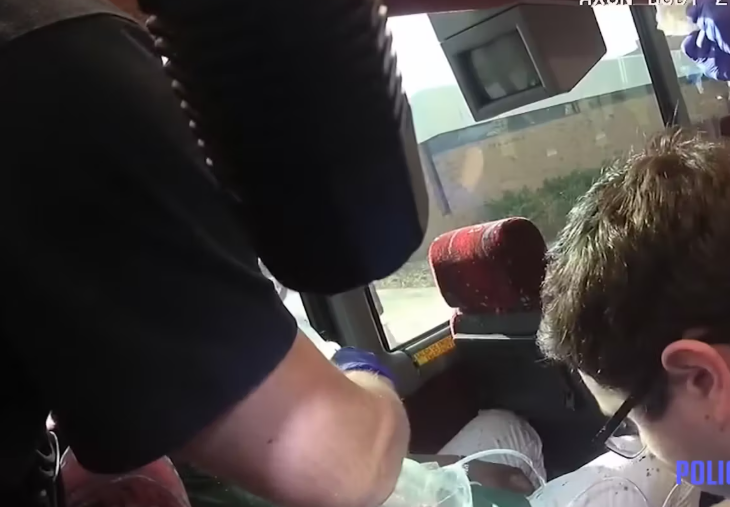
The Unfiltered Lens: Navigating Trust, Transparency, and Technology with Police Body Cameras in 2025
As someone who has spent over a decade deeply entrenched in the intersection of law enforcement, public policy, and cutting-edge technology, I’ve witnessed firsthand the seismic shift brought about by police body cameras. What began as a nascent technological experiment has evolved into an indispensable tool, reshaping the narrative of policing across the United States. In 2025, these devices are more than just recording equipment; they are catalysts for change, critical evidentiary tools, and profound instruments for public dialogue.
The magnetic pull of real-world police encounters, often captured by police body cameras, is undeniable. From the gritty reality TV of the 90s to the viral clips dominating social media platforms today, human fascination with the raw, unscripted drama of law enforcement operations remains unwavering. We’re not drawn in by cinematic polish, but by the stark, often brutal, authenticity. Every stop, every pursuit, every critical incident is a high-stakes gamble with profound consequences, and the lens of a police body camera offers an unprecedented, often uncomfortable, glimpse into that reality. This isn’t just entertainment; it’s a window into the complex machinery of our criminal justice system, offering insights that neither Hollywood nor traditional news cycles can fully replicate.
From Analog Anecdotes to Digital Divinity: The Evolution of Law Enforcement Documentation
The journey from bulky VHS camcorders in patrol cars to compact, high-definition police body cameras is a testament to rapid technological advancement and societal demands for greater transparency. In the era of “COPS” the television show, viewers saw curated, editorially controlled footage. Today, the landscape is entirely different. Police body cameras have transitioned from supplemental tools to supreme legal evidence, transforming accountability mechanisms within law enforcement.
By 2025, the vast majority of major metropolitan police departments – from the LAPD in Los Angeles to the NYPD in New York, and countless Sheriff’s departments across Florida – mandate the use of police body cameras for their officers. This widespread adoption isn’t merely a trend; it’s a foundational pillar of modern policing strategy, driven by a confluence of public outcry, reform initiatives, and the undeniable evidentiary value these devices provide. The footage captures the visceral truth: the officer’s rapid breath during a tense standoff, the sharp command to “Drop the weapon!”, the split-second decisions that define life and death. This raw, unfiltered perspective is invaluable for internal investigations, criminal prosecutions, and fostering public understanding. Furthermore, the robust data management solutions required to handle this immense volume of digital evidence have spurred an entire sub-industry focused on secure cloud storage and forensic analysis, critical aspects for any agency seeking to protect the integrity of their data and comply with rigorous legal standards.
Navigating the Legal Labyrinth: Encounters with Sovereign Citizens and the Quest for Legal Clarity
One of the more unique and often perplexing facets of modern policing, frequently documented by police body cameras, involves interactions with individuals who identify as “Sovereign Citizens.” These individuals operate under the misguided belief that they are exempt from most U.S. laws, often leading to protracted, legally convoluted, and occasionally dangerous confrontations with law enforcement.
I’ve reviewed countless hours of footage depicting these scenarios: a driver pulled over without a license or registration, launching into a verbose, pseudo-legal dissertation about their “right to travel” or the illegitimacy of governmental authority. What follows is often a masterclass in de-escalation by officers, though these situations frequently escalate due to the suspect’s refusal to comply with lawful orders. The ultimate outcome, often captured vividly by police body cameras, might be a shattered window and a reluctant, forceful removal from the vehicle. These clips serve a dual purpose: they are undeniably captivating, but more importantly, they offer a stark, often uncomfortable, lesson in U.S. constitutional law and the principle that rights are inextricably linked to responsibilities. For criminal defense attorneys and legal scholars, this footage provides rich material for case studies on constitutional limits and the application of force. The clarity provided by police body cameras in these contentious encounters is paramount, often preventing “he said, she said” disputes from clouding the truth and ensuring due process.
The Unseen Burden: Psychological and Professional Pressures on Officers
The public often witnesses only the dramatic culmination of police work – the arrest, the confrontation, the successful resolution. What remains largely unseen, however, are the profound psychological and professional pressures officers face, particularly after critical incidents. Every time an officer discharges their firearm, even in clear self-defense, it triggers a cascade of internal and external scrutiny.
Officer-involved shootings (OIS) remain a focal point for media coverage, public protest, and intensive internal affairs investigations. A correct decision under immense duress can save lives, yet a perceived misstep can ignite civil unrest and lead to calls for widespread police reform. This is where police body cameras truly earn their weight. They provide an objective, real-time record that can either corroborate an officer’s account or highlight areas for improvement and accountability. Channels like PoliceActivity or Donut Operator, often featuring police body camera footage, play a crucial role in public education, offering contextual analysis that helps civilians understand the split-second decisions made by officers in high-stress environments. Beyond the immediate incident, the prolonged investigations, the potential for civil rights lawsuits, and the emotional toll of such events contribute to a significant burden on officers’ mental health. Agencies are increasingly investing in robust officer wellness programs, leveraging the insights from police body camera footage during critical incident reviews to provide better support and more effective police ethics training.
Beyond Human Heroes: The Indispensable Role of K9 Units
No comprehensive discussion of modern policing would be complete without acknowledging the extraordinary contributions of K9 units. These highly trained animals, predominantly Belgian Malinois and German Shepherds, are not merely companions but vital force multipliers, inspiring awe and respect while instilling a healthy dose of fear in those attempting to evade justice.
The command “Release the K9!” often signifies the last resort when verbal de-escalation has failed and a suspect poses a direct threat or is actively resisting. The footage captured by police body cameras showcasing these incredible animals apprehending armed suspects or locating hidden contraband is consistently among the most compelling and frequently shared content. It highlights their unwavering courage, unparalleled discipline, and the profound bond they share with their human handlers. K9s significantly enhance officer safety, provide a non-lethal (though forceful) option for apprehension, and dramatically increase the effectiveness of search and rescue operations. Their deployment, meticulously documented by police body cameras, underscores the multifaceted strategies employed by law enforcement to ensure public safety and secure evidence.
The AI Revolution: Enhancing Transparency and Evidence Management in 2025
Looking ahead to 2025 and beyond, the integration of Artificial Intelligence (AI) with police body cameras is set to usher in an entirely new era of law enforcement technology. We are witnessing the maturation of tools like Lighthouse and other advanced AI video processing platforms, which are transforming how law enforcement agencies manage, analyze, and leverage the vast quantities of data generated by these devices.
AI’s capabilities extend far beyond simple recording. It can rapidly redact sensitive information like faces of bystanders or personally identifiable information, crucial for privacy compliance and public release of footage. AI can analyze video for specific objects, detect weapons, identify vehicle license plates, or even track bullet trajectories – providing invaluable digital forensics services. For content creators and internal review boards, AI can sift through thousands of hours of raw footage, condensing critical incidents into concise, actionable summaries for training or investigative purposes. This reduces the immense manual labor traditionally associated with video review and enhances the efficiency of evidence management software.
However, the rise of AI also brings new challenges, including concerns over algorithmic bias, data privacy, and the ethical implications of mass surveillance. As an expert in this field, I emphasize that while technology doesn’t inherently lie, its interpretation and application must be governed by robust ethical frameworks and rigorous oversight. When deployed responsibly, AI integrated with police body cameras has the potential to dramatically increase transparency, strengthen police accountability, and protect officers from false accusations. Conversely, it can also unequivocally highlight instances of misconduct, forcing necessary dialogue and driving genuine police reform. The future of law enforcement technology solutions is undoubtedly intertwined with intelligent automation, but human oversight and ethical considerations must remain paramount. For body camera manufacturers, the imperative is not just advanced hardware, but integrated, secure, and ethically designed AI platforms.
The Cultural Resonance: Police Body Cameras as a Societal Mirror
Ultimately, police body cameras have transcended their role as mere recording devices; they have become a global cultural phenomenon and a societal mirror reflecting the complex interplay between law enforcement, citizens, and technology. Through platforms like YouTube, TikTok, and various news outlets, these snippets of reality offer a profound education for viewers worldwide, including those far removed from the U.S. criminal justice system.
They teach us about de-escalation tactics, the nuances of legal confrontations, the immense stress of high-stakes policing, and the diverse fabric of American society. The public discourse surrounding police body cameras has driven significant policy changes, influenced police training curricula, and fundamentally shifted public expectations regarding transparency and accountability. They foster community dialogue, not just about what happened, but why it happened, encouraging a deeper understanding of police procedures and the challenges officers face daily. By democratizing access to these critical interactions, police body cameras empower citizens, inform policy-makers, and ensure that the pursuit of justice is not just a theoretical ideal but a visibly documented reality. Their impact on building public trust and promoting community policing initiatives cannot be overstated, forming a cornerstone of modern policing strategy.
Stepping Forward: Engaging with the Evolving Landscape of Police Body Cameras
The journey of police body cameras from a nascent concept to a critical component of modern policing is far from over. As technology continues to advance, and societal expectations for transparency and accountability evolve, so too will the capabilities and implications of these devices. They represent a dynamic frontier where technology, law, and human experience intersect, continuously shaping our understanding of justice and public safety.
If you’re interested in diving deeper into the nuances of police body cameras, exploring the latest advancements in law enforcement technology solutions, or understanding the legal and ethical frameworks governing their use, I invite you to connect with leading experts and policy makers in this field. Engage with your local law enforcement agencies, seek out educational resources on police accountability, or participate in discussions shaping the future of our criminal justice system. Your informed engagement is vital to ensuring these powerful tools are used effectively and ethically, fostering a future where transparency, trust, and justice are paramount.